By Interestana AI Editorial — AI-drafted, human-overseen. How we report
Max Blumenthal Criticized for Iran Apologetics
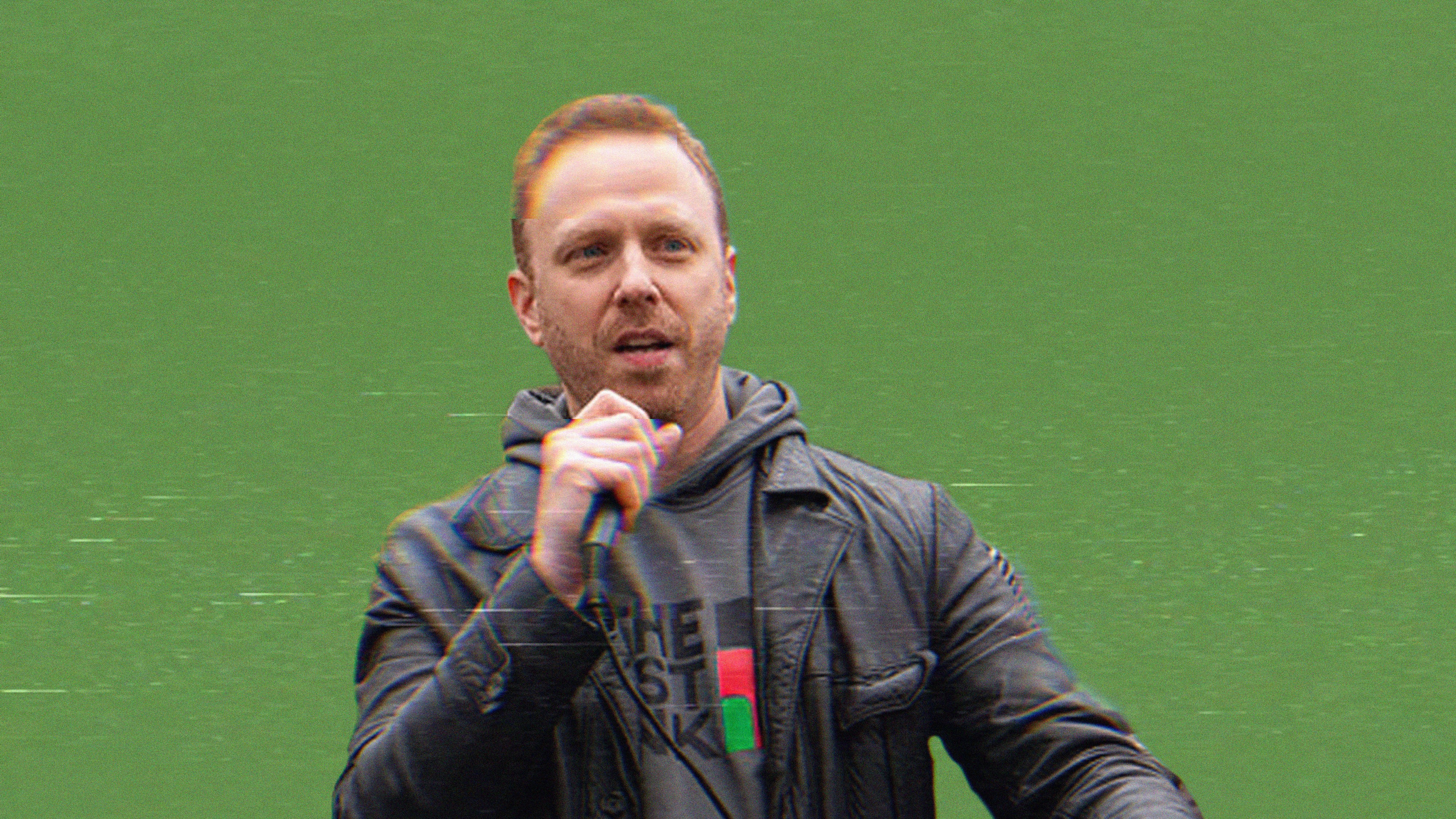
Journalist Max Blumenthal is facing significant criticism for his recent commentary regarding Iran's actions, with many characterizing his remarks as apologetic and a distortion of facts. Critics argue that Blumenthal, through his reporting and public statements, has adopted a stance that downplays or excuses the Iranian regime's behavior, particularly in the context of regional conflicts and internal repression. This perspective positions Blumenthal within a historical lineage of commentators who have been accused of providing cover for authoritarian governments, a tradition that often involves selectively presenting information or framing events in a way that benefits the regime in question.
The controversy stems from Blumenthal's analysis of the geopolitical situation involving Iran, its proxies, and its adversaries. Opponents contend that his work often overlooks or minimizes the impact of Iranian state-sponsored violence, its pursuit of nuclear capabilities, and its role in destabilizing regions like the Middle East. Instead, they claim, his narratives tend to focus on perceived Western or Israeli provocations, thereby shifting blame away from Tehran. This approach, critics assert, is not objective journalism but rather a form of propaganda that serves to legitimize the Iranian government's policies and actions on the international stage.
Commentators have drawn parallels between Blumenthal's current commentary and the historical phenomenon of apologists for totalitarian or authoritarian regimes. These historical figures, often intellectuals or journalists, were criticized for rationalizing the actions of states like Nazi Germany, the Soviet Union, or Fascist Italy, either through ideological alignment or a misinterpretation of geopolitical realities. The accusation leveled against Blumenthal is that he is employing similar rhetorical strategies to defend Iran, thereby undermining efforts to hold the regime accountable for its human rights record and its foreign policy.
Further fueling the debate are specific instances where Blumenthal's reporting has been challenged for factual inaccuracies or misleading framing. Critics point to his coverage of events such as the October 7th Hamas attacks and the subsequent Israeli response, arguing that his narratives have consistently favored an interpretation that absolves Iran and its allies of responsibility. This has led to a broader discussion about the role of media in shaping public perception of complex international conflicts and the ethical obligations of journalists to provide balanced and accurate reporting, especially when dealing with regimes accused of widespread human rights abuses and aggression.
Original source — read the full reporting at the publisher:
Read on The AtlanticGet the weekly AI digest
AI news + new model releases, weekly. Drafted by our agents, reviewed by humans.