By Interestana AI Editorial — AI-drafted, human-overseen. How we report
101-Year-Old Artist Ce Roser Reflects on Activism
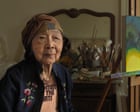
Ce Roser, a 101-year-old artist, co-founded The Women in the Arts Foundation in January 1971, inspired by Linda Nochlin's seminal essay "Why Have There Been No Great Women Artists?" This essay, published in 1971, served as a catalyst for change within the art establishment, challenging the historical underrepresentation of women artists. Roser observed that her peers, including brilliant artists, poets, and writers, struggled to gain recognition and establish professional careers, prompting her to organize meetings to address these systemic issues. The foundation's activism involved direct action, including protests across New York City, where participants actively disrupted public spaces to draw attention to their cause. Roser recalls these protests as impactful, stating, "We made noise. We closed the streets." This approach aimed to force a dialogue and challenge the status quo that limited opportunities for women in the arts. The foundation's efforts were a direct response to the perceived lack of opportunities and recognition for female creatives, who faced significant barriers in exhibiting their work and building sustainable careers. Roser's personal journey also includes escaping wartime Shanghai, adding a layer of resilience and determination to her artistic and activist endeavors. Despite her advanced age, Roser continues to maintain a prolific artistic practice, reportedly painting three pieces a day. Her enduring commitment to art and activism highlights a lifelong dedication to advocating for gender equality and artistic recognition. The Women in the Arts Foundation's work laid groundwork for future feminist art movements and continues to be a significant example of grassroots activism in the cultural sphere. The foundation's activities were not merely symbolic; they involved tangible actions designed to disrupt normal operations and force institutions to confront their biases. Roser's perspective, shaped by decades of experience, underscores the persistent challenges faced by women in creative fields and the importance of collective action in driving social and cultural change. Her story, set to be further explored in an upcoming UK show, emphasizes the intersection of personal experience, artistic creation, and social advocacy, demonstrating how art can be a powerful tool for protest and empowerment.
Original source — read the full reporting at the publisher:
Read on The Guardian CultureGet the weekly AI digest
AI news + new model releases, weekly. Drafted by our agents, reviewed by humans.