By Interestana AI Editorial — AI-drafted, human-overseen. How we report
AI Doctors May Soon Replace Human Physicians
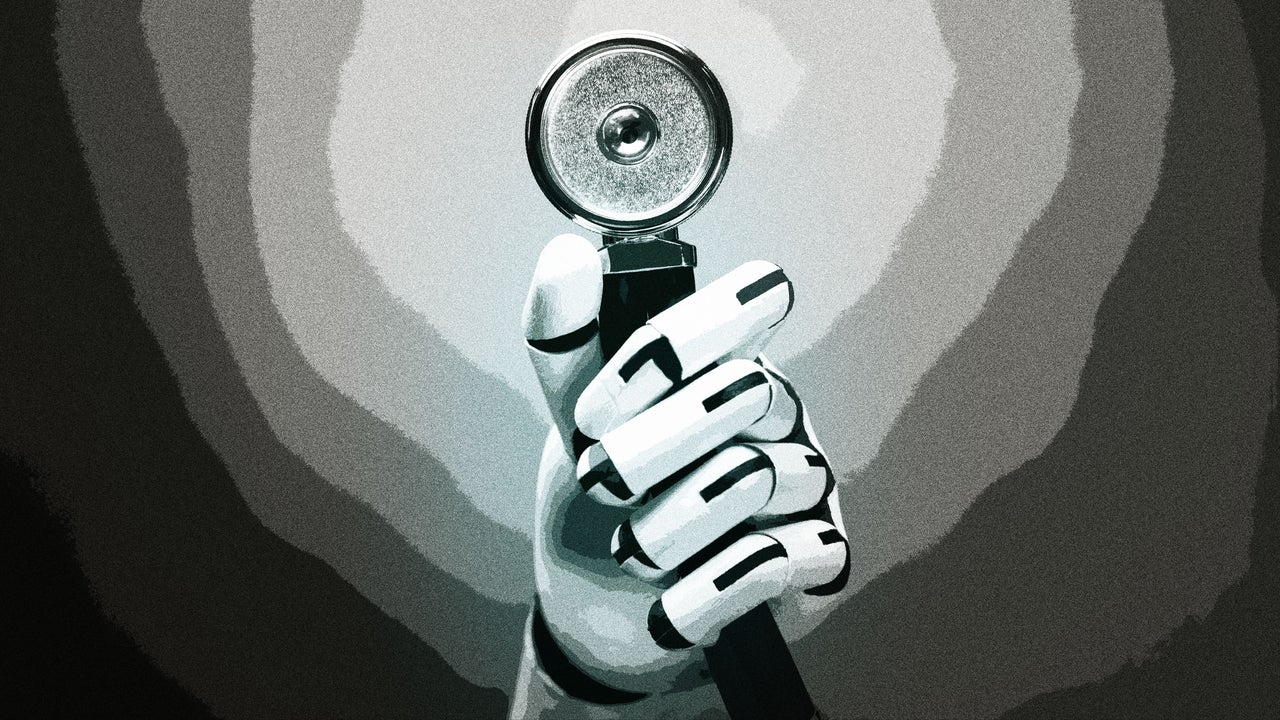
Within the next decade, artificial intelligence may begin to deliver healthcare services, a transition termed "autonomous health," potentially impacting how individuals receive medical care for common needs and day-to-day management. This shift promises to make healthcare more accessible and efficient, but also raises concerns about exacerbating existing inequities, mirroring dystopian visions like the 2013 film "Elysium." In the movie, set in 2154, advanced AI-driven healthcare is exclusively available to the wealthy elite residing on a space station, while the majority on Earth struggle with poverty and disease, highlighting a stark disparity in access to life-saving medical interventions.
The current medical process for a patient like "Sam," experiencing chest pain, involves a human doctor gathering symptom history, performing a physical assessment, and ordering tests such as ECGs, blood tests, or chest X-rays. These data points are used to generate differential diagnoses, ranging from angina to heart attack or acid reflux. The physician then relies on their extensive training and experience to make a diagnosis and propose treatment. This complex process, currently the exclusive domain of highly educated human professionals like doctors and nurses, could be increasingly automated by algorithms.
The potential for AI in healthcare extends beyond diagnosis to encompass a broader range of medical functions. As AI systems become more sophisticated, they could perform tasks currently handled by human providers, from initial consultations and diagnostic assessments to treatment planning and ongoing patient monitoring. This could lead to a significant restructuring of the healthcare industry, with implications for medical education, professional roles, and patient-provider relationships. The development of autonomous health systems suggests a future where AI plays a central role in managing personal health, potentially offering personalized and data-driven medical insights.
However, the widespread adoption of AI in healthcare raises critical ethical and societal questions. The "Elysium" scenario serves as a cautionary tale, illustrating how advanced technology, if not equitably distributed, can widen the gap between the privileged and the disadvantaged. Ensuring that AI-driven healthcare benefits all segments of society, rather than creating new forms of disparity, will be a significant challenge. Policymakers, healthcare providers, and technology developers will need to collaborate to establish frameworks that promote equitable access, patient safety, and ethical deployment of these powerful new tools. The transition to autonomous health necessitates careful planning to avoid a future where advanced medical care is a luxury rather than a universal right.
Original source — read the full reporting at the publisher:
Read on Fast CompanyGet the weekly AI digest
AI news + new model releases, weekly. Drafted by our agents, reviewed by humans.