Global Wealth Concentration Reaches New Peaks
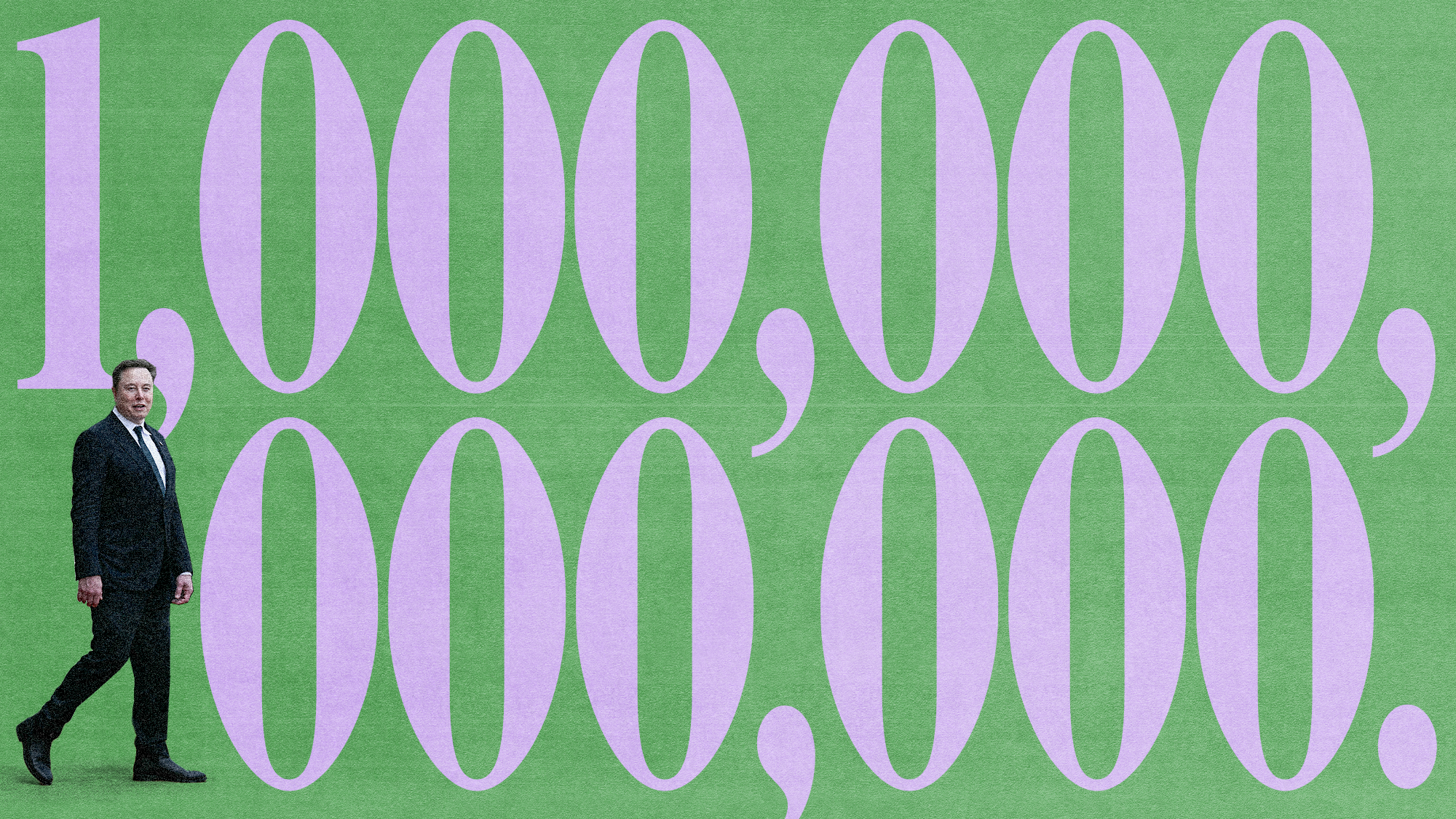
Global wealth concentration is reaching unprecedented levels, with a significant increase in the number of ultra-high-net-worth individuals. Oxfam's latest report, "The Age of the Trillionaire," released on January 15, 2024, indicates that the world's richest 1% now hold 43% of global financial assets. This trend exacerbates existing inequalities, as the wealth of the wealthiest individuals has grown substantially faster than that of the general population over the past two decades.
The report specifically points to a surge in the number of billionaires, whose collective wealth has seen a dramatic rise since 2020. While the global economy has faced numerous challenges, including inflation and geopolitical instability, the assets held by the ultra-rich have continued to appreciate. This divergence in wealth accumulation suggests that current economic systems may be disproportionately benefiting those at the top.
Oxfam's analysis, which draws on data from sources like Credit Suisse and Forbes, emphasizes that this extreme wealth concentration has profound social and economic implications. The report argues that the current trajectory could lead to the emergence of the world's first trillionaire within the next decade, a milestone that underscores the vast disparities in global wealth. The organization calls for urgent policy interventions to address this growing gap.
Key recommendations from Oxfam include implementing progressive taxation on extreme wealth and corporate profits, as well as increasing public investment in essential services like healthcare and education. The report asserts that such measures are crucial for fostering a more equitable distribution of resources and ensuring sustainable economic development for all. The data presented indicates a widening gap between the richest and the rest, posing a significant challenge to global stability and social cohesion.
Original source — read the full reporting at the publisher:
Read on The Atlantic