By Interestana AI Editorial — AI-drafted, human-overseen. How we report
Emily Eakin's Book Challenges Postwar Literary Theory
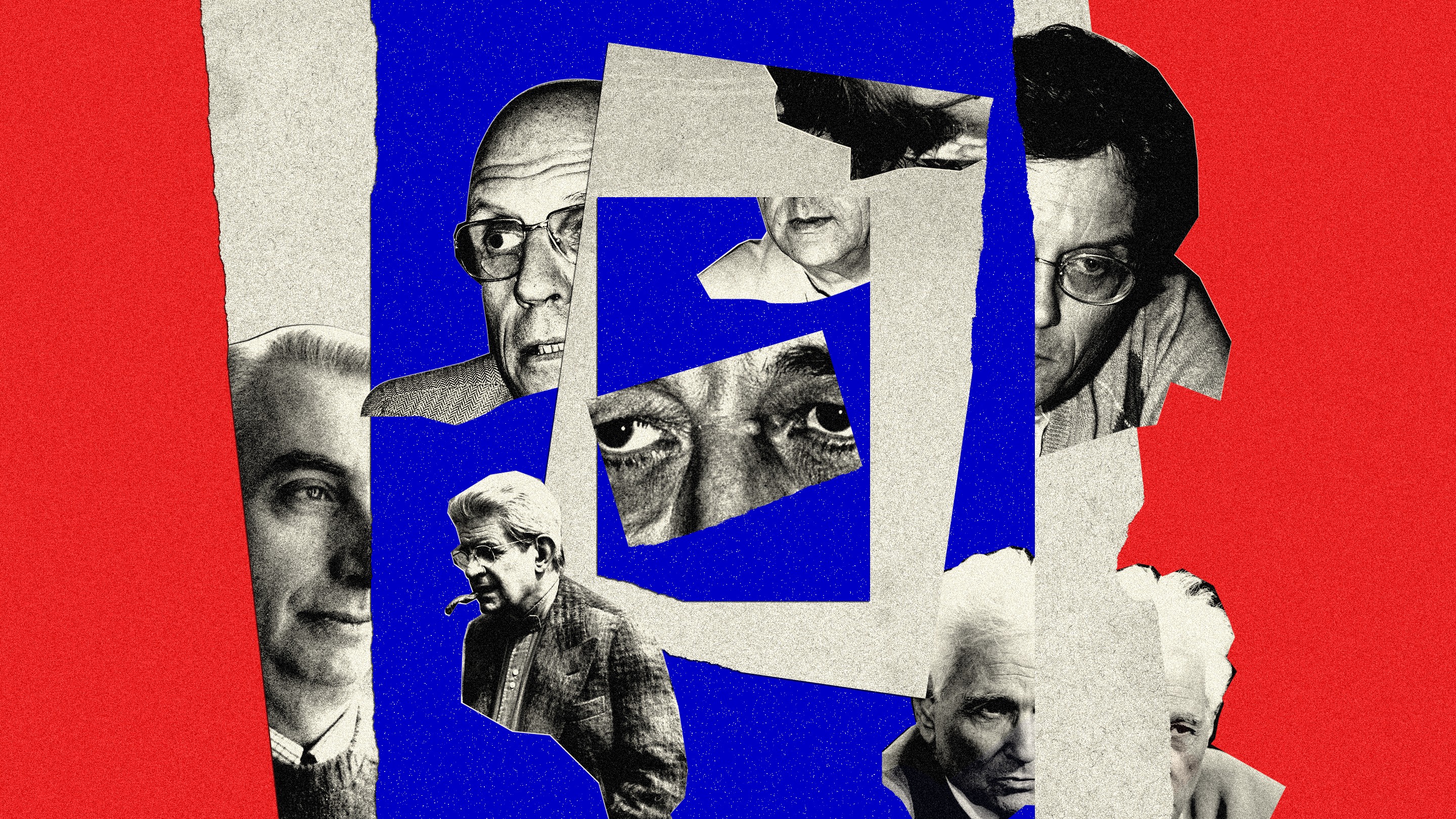
Emily Eakin's new book, "The Academics Who Caught Fire," directly challenges the influential postwar French literary theorists who posited that an author's life is irrelevant to understanding their work. Eakin's central argument, as presented in her book published in 2024, is that biographical context is, in fact, crucial for a complete literary analysis. This perspective stands in stark contrast to the dominant theoretical frameworks that emerged in the mid-20th century, particularly those influenced by structuralism and post-structuralism, which sought to detach texts from their creators and historical origins.
The book focuses on a group of prominent French intellectuals, including figures associated with the Tel Quel group and other influential critics, whose theories gained widespread traction in academic circles globally. These theorists advocated for a focus on the internal structures of language and narrative, arguing that meaning was generated by the interplay of signs within the text itself, rather than by the author's intentions or personal experiences. Eakin meticulously examines the intellectual lineage and the core tenets of these arguments, demonstrating how they systematically marginalized biographical information. Her work aims to re-evaluate this critical stance by reintroducing the author as a vital element in the interpretive process.
Eakin's approach involves a detailed examination of specific authors and their works, illustrating how biographical details—such as personal struggles, historical events they lived through, or their social and political engagements—profoundly shaped their literary output. By presenting case studies, Eakin seeks to demonstrate that ignoring these elements leads to a superficial or incomplete understanding of the texts. The book's title, "The Academics Who Caught Fire," alludes to the passionate and often contentious debates that characterized literary theory during the postwar period, as well as to the intellectual fervor surrounding these ideas. Eakin's narrative is described as lively, suggesting an engaging and accessible exploration of complex theoretical concepts, making it suitable for both academic and general audiences interested in literary criticism and the history of ideas.
Published in 2024, "The Academics Who Caught Fire" represents a significant intervention in contemporary literary studies. It encourages a return to a more holistic approach to criticism, one that integrates textual analysis with an understanding of the author's life and times. Eakin's work is positioned as a corrective to decades of theoretical discourse that, in her view, have impoverished literary interpretation by severing the vital connection between the creator and the creation. The book's reception is anticipated to spark renewed discussion about the methodologies and philosophical underpinnings of literary analysis, potentially influencing how future generations of scholars engage with literature.
Original source — read the full reporting at the publisher:
Read on The AtlanticGet the weekly AI digest
AI news + new model releases, weekly. Drafted by our agents, reviewed by humans.