By Interestana AI Editorial — AI-drafted, human-overseen. How we report
2027 Lexus TZ Priced at $65,000 With Reduced Power
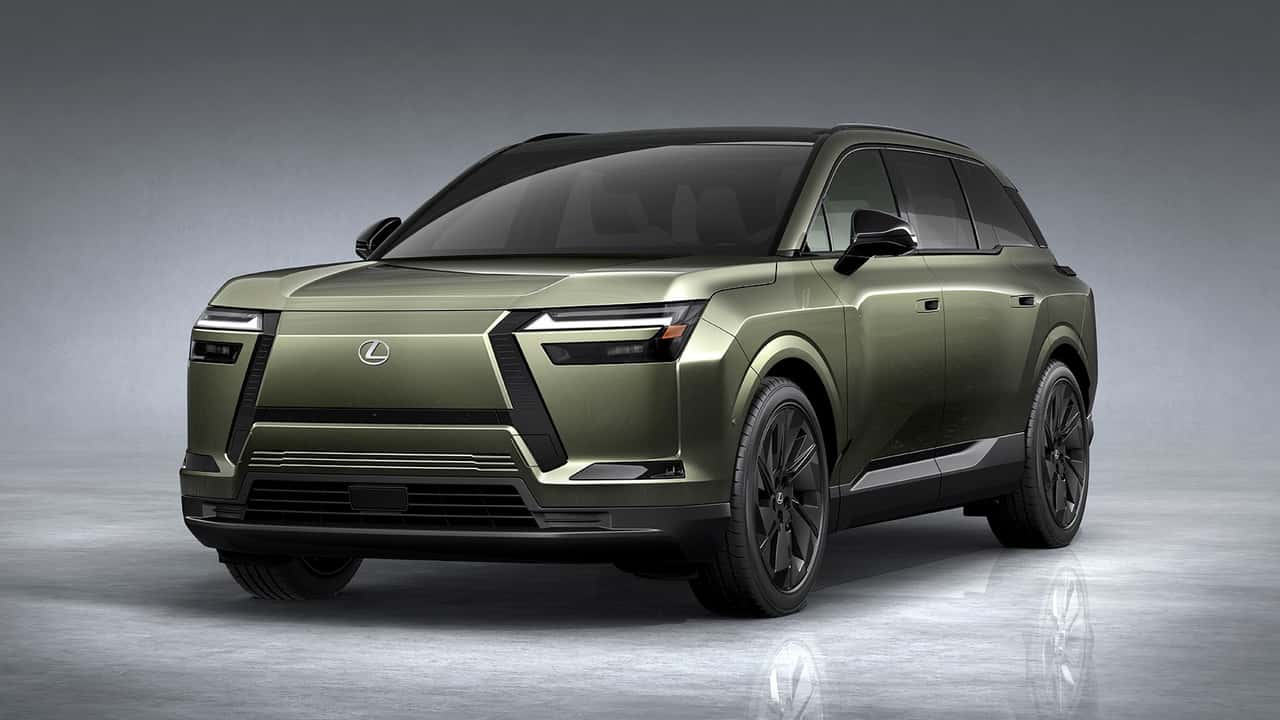
The 2027 Lexus TZ is slated to enter the market with a starting price of $65,000, a figure that positions it within the premium segment of the automotive industry. This pricing strategy suggests Lexus aims to compete with established luxury SUVs, offering a blend of brand prestige and expected refinement. However, a significant point of contention for potential buyers is the vehicle's projected power output, which will be notably less than that of its Subaru sibling. This reduction in horsepower, while not explicitly detailed in terms of specific figures, indicates a potential trade-off between performance and other attributes such as fuel efficiency, ride comfort, or cost management.
Despite the power deficit compared to its Subaru counterpart, the Lexus TZ is scheduled to be released before the Subaru model. This staggered launch strategy could allow Lexus to capture early market interest and establish its presence before the Subaru variant becomes available. The exact timeline for both releases has not been specified, but the announcement implies a competitive push within the segment. The TZ is expected to be built on a platform shared with Subaru, hinting at potential collaborative engineering and manufacturing efforts between the two automotive brands. This partnership is not uncommon in the industry, allowing manufacturers to share development costs and leverage existing technologies.
The positioning of the 2027 Lexus TZ at $65,000 places it in direct competition with a range of luxury SUVs from brands such as BMW, Mercedes-Benz, Audi, and Volvo. Consumers in this price bracket typically expect a high level of interior luxury, advanced technology features, and a refined driving experience. The success of the TZ will likely depend on how well it delivers on these expectations, especially given the compromise in power. Lexus's reputation for reliability and comfort may serve as strong selling points, potentially mitigating concerns about its less potent powertrain. Further details regarding the TZ's specifications, including its engine options, drivetrain configurations, and available features, are anticipated as the launch date approaches.
The decision to equip the TZ with less power than its Subaru counterpart raises questions about Lexus's target audience and its approach to this particular segment. It is possible that Lexus is prioritizing a smoother, more fuel-efficient, or quieter driving experience, aligning with its brand identity, over outright acceleration or towing capacity. The specific Subaru model serving as the benchmark for power comparison has not been identified, but it is likely a vehicle sharing the same underlying platform. This comparison underscores the distinct engineering philosophies that can be applied to shared architectures, with Lexus potentially tuning the vehicle for a different driving dynamic and consumer preference than Subaru. The automotive market is increasingly segmented, and Lexus may be aiming for a niche within the luxury SUV space that values refinement and brand cachet over raw power.
Original source — read the full reporting at the publisher:
Read on InsideEVsGet the weekly AI digest
AI news + new model releases, weekly. Drafted by our agents, reviewed by humans.