By Interestana AI Editorial — AI-drafted, human-overseen. How we report
2008 Economic Crisis Reshaped US Energy Relationship
The 2008 economic crisis served as a pivotal moment, fundamentally reshaping the United States' relationship with energy and prompting a critical reevaluation of its long-standing reliance on fossil fuels. While fossil fuels have historically been credited with powering economic growth that has broadly improved living standards, this perspective is increasingly recognized as limited. The argument that fossil fuels are inherently beneficial for economic advancement overlooks the substantial and escalating costs associated with their use, particularly in the form of damages and disruptions stemming from extreme weather events. These environmental consequences, exacerbated by climate change, represent a significant, albeit often deferred, debt that future generations will be compelled to manage.
This reevaluation extends beyond immediate economic benefits to encompass the long-term sustainability of energy sources. The crisis highlighted the vulnerability of economies tied to volatile fossil fuel markets and underscored the growing imperative to transition towards more sustainable and environmentally benign alternatives. The expectation of continued sea level rise for centuries, even with aggressive climate mitigation efforts, emphasizes the enduring environmental liabilities of past and present fossil fuel consumption. Estimating the ultimate cost of this growth, therefore, requires accounting for these persistent climate-related expenses, which are projected to be substantial and difficult to quantify fully.
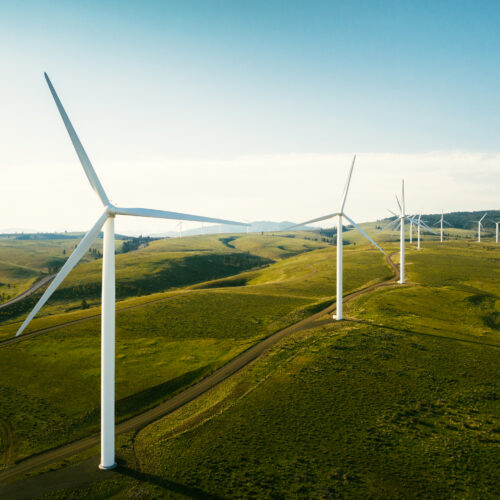
Furthermore, the post-2008 era has witnessed advancements in alternative energy technologies that offer pathways to power economic growth with significantly reduced environmental impact. These innovations provide a more sustainable model for development, one that does not burden descendants with an unmanageable carbon debt. The increasing viability and decreasing costs of renewable energy sources, such as solar and wind power, alongside improvements in energy efficiency and storage, present a compelling case for a paradigm shift in energy policy and investment. This transition is not merely an environmental necessity but also an economic opportunity, fostering innovation and creating new industries.
The economic downturn of 2008 acted as a catalyst, accelerating a broader societal and political reckoning with the true costs of energy consumption. It underscored the interconnectedness of economic prosperity, environmental health, and long-term security. The crisis prompted a more nuanced understanding of economic growth, one that integrates environmental externalities and future liabilities into the calculus of progress. This shift in perspective is crucial for navigating the complexities of climate change and building a resilient, sustainable future powered by cleaner, more responsible energy sources.
Original source — read the full reporting at the publisher:
Read on Ars TechnicaGet the weekly AI digest
AI news + new model releases, weekly. Drafted by our agents, reviewed by humans.