By Interestana AI Editorial — AI-drafted, human-overseen. How we report
AI Data Center Projects Face $170 Billion in Community Opposition
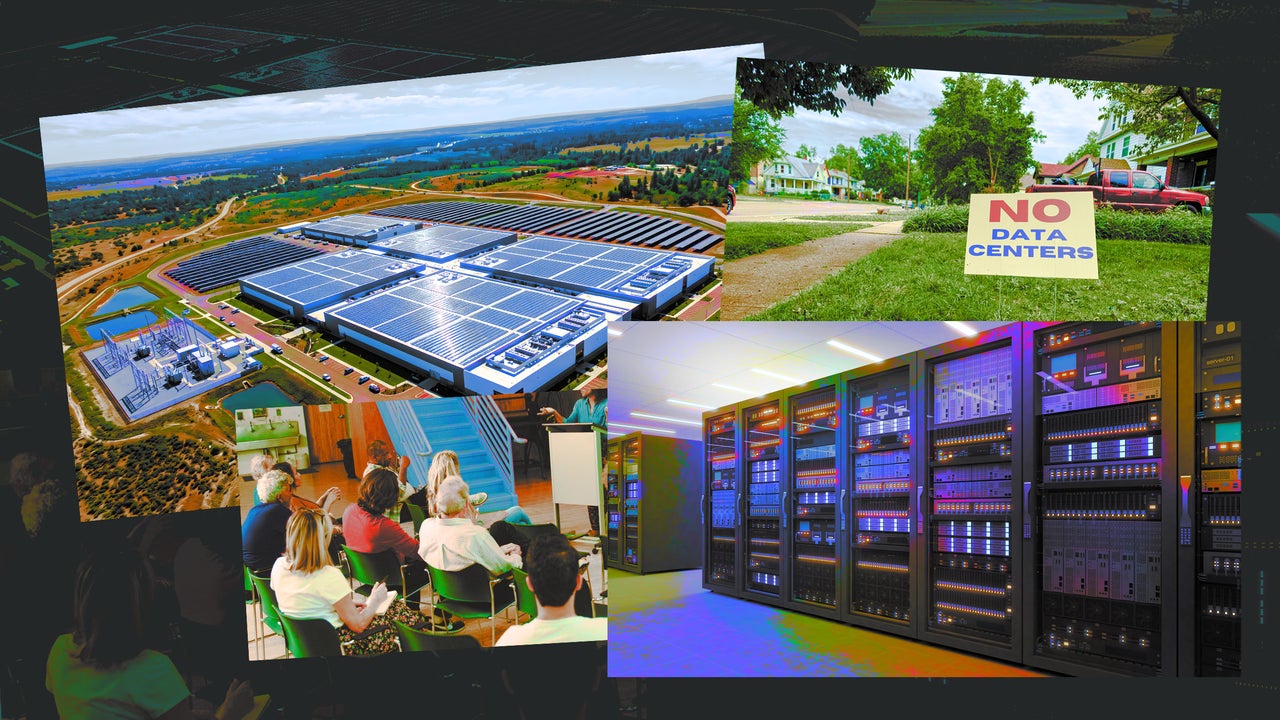
Data center developers are facing significant community opposition, leading to the stalling or withdrawal of projects valued at over $170 billion. Between January 2024 and May 2026, at least 46 proposed AI data center projects across 20 states encountered roadblocks due to local resistance. This trend highlights a growing challenge for the artificial intelligence economy, where building necessary infrastructure increasingly depends on gaining the trust of host communities. A separate estimate from research group Data Center Watch indicated that $68 billion in data center projects were blocked or delayed between April and June of the current year.
Governors from both major political parties are actively competing to attract data center investments and the associated jobs. However, public sentiment appears to be shifting, with Americans reportedly more likely to oppose an AI data center in their vicinity than a nuclear power plant. This sentiment underscores a deficit in trust between developers and local residents. Developers often attempt to counter this skepticism by emphasizing potential benefits such as job creation, increased tax revenue, and overall economic growth. They also conduct information sessions and public hearings to engage with communities.
In response to these challenges, some state governments are implementing new regulations to manage data center development. Massachusetts Governor Maura Healey has established a policy requiring explicit community consent for data center construction, stating, “Unless a community says yes to a data center, we are saying no.” Pennsylvania Governor Josh Shapiro has gone further, mandating that developers engage in open and transparent discussions with local residents and leaders early in the planning process. This engagement is intended to allow for meaningful public input on major design decisions.
The question of what constitutes a community's "yes" remains complex. It can involve a town meeting vote, zoning approval, or other forms of consensus. Governors are grappling with how to define community representation and ensure that residents' concerns are adequately addressed. When states like Texas require developers to account for impacts such as water usage, electricity costs, noise, and traffic before grid connection, residents need clear mechanisms to shape these decisions. Similarly, when Massachusetts mandates community benefits agreements—negotiated deals where developers provide benefits to the community—towns require guidance on what they can reasonably request.
The current landscape demonstrates that while states are eager for the economic benefits data centers promise, the success of these projects hinges on addressing local concerns and fostering genuine community buy-in. The substantial financial impact of stalled projects underscores the critical need for developers and policymakers to prioritize transparent communication and collaborative planning with the communities that will host this vital infrastructure.
Original source — read the full reporting at the publisher:
Read on Fast CompanyGet the weekly AI digest
AI news + new model releases, weekly. Drafted by our agents, reviewed by humans.