By Interestana AI Editorial — AI-drafted, human-overseen. How we report
The $100 Billion Comeback: American Tweens Re-Emerge as a Dominant Consumer Force
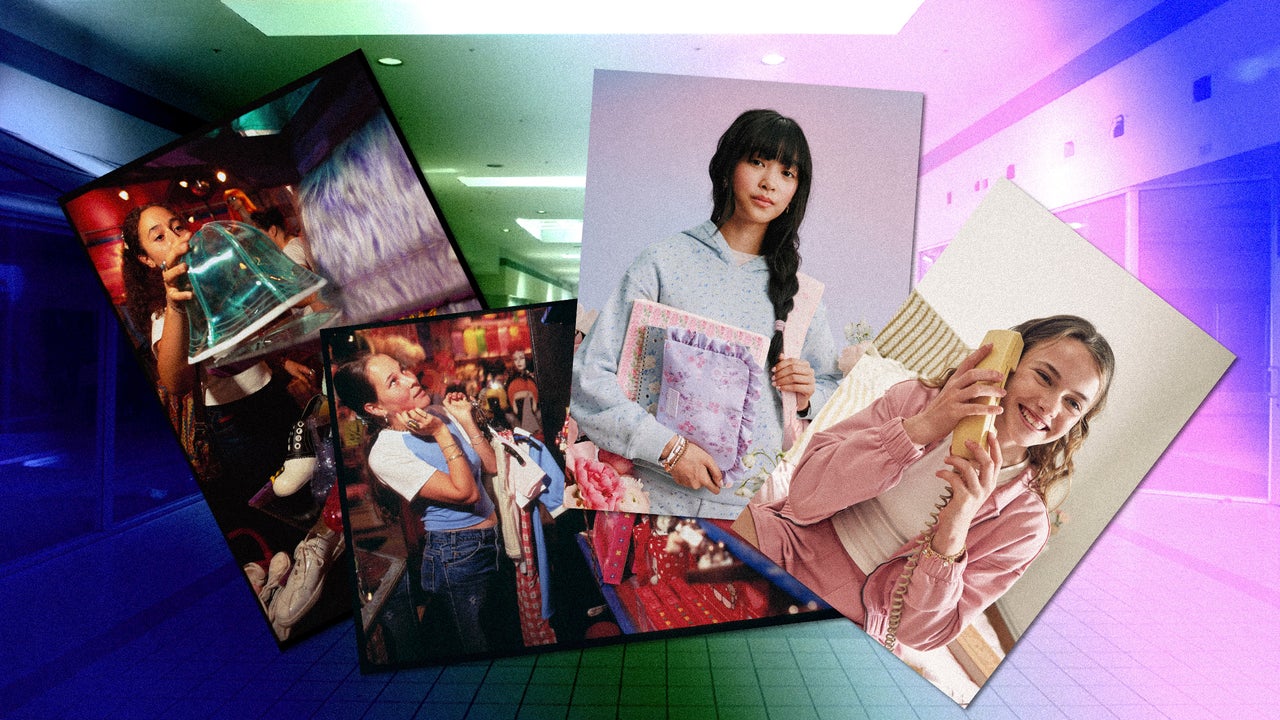
The American tween market, once a vibrant and lucrative segment for brands, is experiencing a significant resurgence, signaling a potential "tween renaissance." Historically, in the 1990s, brands like Claire's, known for its affordable accessories and beauty products like watermelon Lip Smackers, and Limited Too, a popular clothing retailer offering "baby Ts" and other trendy apparel, recognized the distinct consumer power of tweens. These companies, alongside media outlets such as the Delia's catalog and magazines like YM and Bop, cultivated a specific culture for this demographic, allowing them to experiment with nascent aspects of adulthood, like makeup and more fashion-forward clothing, within a safe and comfortable age-appropriate framework. This era saw tweens, particularly girls, actively engaged as consumers, shaping trends and driving sales.
However, over the past two decades, this market segment faced considerable challenges. The decline of the traditional shopping mall, the "tween's natural habitat," led to the struggles and eventual closures of many dedicated retailers. Simultaneously, the broader media landscape underwent a significant transformation, with the closure of numerous tween-focused magazines mirroring a wider hollowing out of niche publications. This confluence of factors led to the dismantling of the once-robust tween consumer culture.
In an unexpected turn, retailers are now actively rediscovering the immense potential of the tween demographic. Major players like Walmart and Target have launched new collections specifically targeting this age group. The chic children's retailer Maisonette has introduced Neon Rebels, a brand curated for ages 7 to 14, offering a selection of tween-appropriate clothing and beauty products. The beauty sector, in particular, is witnessing a proliferation of new startups, including Pipa, Bubble, and Evereden, all focused on the specific needs and desires of young consumers. Even brands that initially targeted millennials, such as the luggage company Away, are now exploring tweens as a potential new market. Furthermore, established brands are making a comeback, often with strategic financial backing. Claire's, a quintessential tween destination, is undergoing significant store redesigns, bolstered by private equity investment. Kohl's has also relaunched the Limited Too brand, aiming to recapture its former glory.
The economic rationale behind this renewed focus is compelling. Generation Alpha tweens, the current iteration of this demographic, possess an estimated $100 billion in annual spending power. Moreover, their influence extends significantly into household purchasing decisions, impacting 42% of family spending. In 2023 alone, tweens demonstrated their purchasing power by spending $4.7 billion on beauty products. Within the vast $225 billion global children's apparel market, retailers observe that children aged 10 and older play a crucial role in influencing purchasing decisions. Brands that successfully navigate and connect with this re-emerging tween market are poised for substantial financial rewards.
Original source — read the full reporting at the publisher:
Read on Fast CompanyGet the weekly AI digest
AI news + new model releases, weekly. Drafted by our agents, reviewed by humans.