By Interestana AI Editorial — AI-drafted, human-overseen. How we report
Hull Maritime Museum Reopens With Whale Skeleton and Mermaid
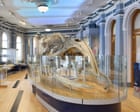
The Hull Maritime Museum has officially reopened its doors following a substantial £20 million renovation, unveiling a revitalized collection that aims to tell the story of the city's rich seafaring history. Among the most striking new additions is the colossal skeleton of a 40-foot-long North Atlantic right whale, a creature that once played a significant role in the region's maritime economy. This impressive specimen now dominates a central exhibition space, offering visitors an immersive experience. Children are invited to explore the whale's ribcage, emerging from a transparent dome where digital projections of swimming whales are displayed on the ceiling, creating an educational and engaging environment.
The North Atlantic right whale, known for its docile nature and buoyancy due to its blubber, was a primary target during the historical whaling era. This blubber yielded valuable oil, making the species a crucial resource but also leading to its near extinction. The museum highlights this historical context, noting that fewer than 400 North Atlantic right whales are estimated to remain today, underscoring the impact of past exploitation. The exhibition delves into the complex relationship between humans and marine life, particularly in the context of a city deeply connected to the sea.
Beyond the whale skeleton, the museum's £20 million reboot showcases a diverse array of artifacts. These include intricate 'scrimshaws,' which are carvings made on bone, often depicting scenes from maritime life or nautical motifs. These small, detailed artworks offer a glimpse into the craftsmanship and daily experiences of sailors and whalers. The collection also features a peculiar exhibit described as a 'monkey mermaid,' adding an element of curiosity and folklore to the museum's narrative. These varied exhibits collectively contribute to a comprehensive portrayal of Hull as a significant seafaring city throughout history.
The renovation project, which has been underway for some time, represents a significant investment in preserving and presenting Hull's maritime heritage. The museum's aim is to provide a compelling narrative that resonates with both local residents and international visitors, fostering an understanding of the city's historical importance in global trade, exploration, and resource utilization. The integration of interactive elements, such as the whale skeleton experience, is designed to enhance visitor engagement and make the historical accounts more accessible and memorable for all age groups. The reopening marks a new chapter for the Hull Maritime Museum, positioning it as a key cultural destination.
Original source — read the full reporting at the publisher:
Read on The Guardian CultureGet the weekly AI digest
AI news + new model releases, weekly. Drafted by our agents, reviewed by humans.