By Interestana AI Editorial — AI-drafted, human-overseen. How we report
Public Attention Shifts From Trump's Provocations
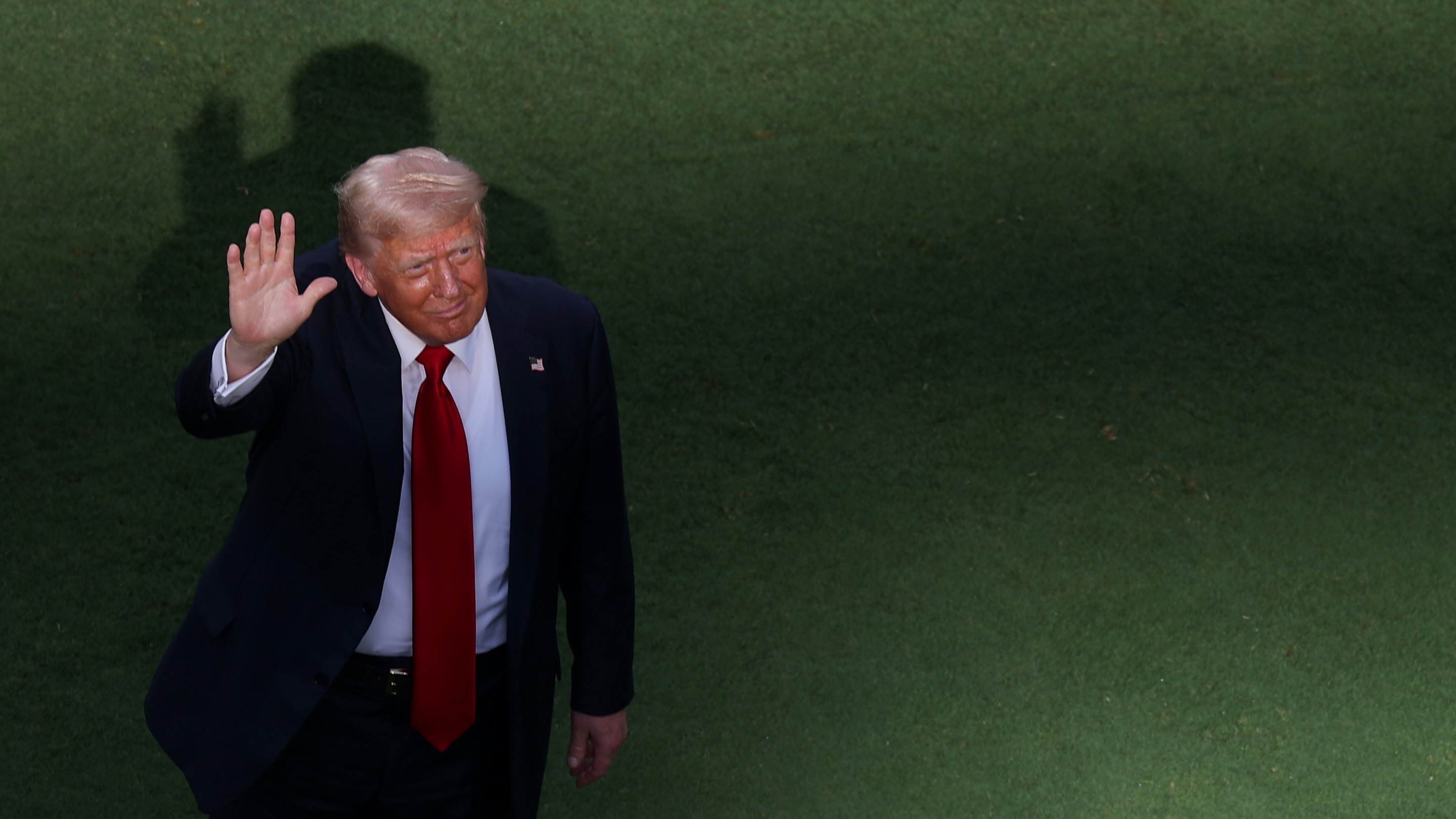
The world's response to Donald Trump's provocations has notably decreased, a development that carries both positive and negative implications. This shift suggests a growing public desensitization or a strategic recalibration of attention away from constant engagement with his statements. The initial breathless reaction that characterized earlier periods of his public life has largely subsided, indicating a potential maturation of media and public discourse or a fatigue with repetitive rhetorical patterns. This diminished attention can be viewed positively as it may reduce the amplification of potentially divisive or inflammatory rhetoric, allowing for more focused discussion on substantive issues. It could also signify a public that is more discerning and less susceptible to sensationalism, prioritizing factual reporting and policy over provocative pronouncements. However, the decrease in attention also presents a challenge. It might mean that crucial warnings or significant policy shifts embedded within his statements are being overlooked, potentially leading to a lack of public scrutiny or preparedness. The media, which often thrives on engagement, may also be less inclined to cover every utterance, leading to a potential gap in informing the public about his activities and proposals. This dynamic creates a complex environment where the impact of his words is harder to gauge and where the public's awareness of his actions could be inadvertently reduced. The phenomenon reflects a broader trend in how information is consumed and how public figures command attention in the digital age. As audiences are bombarded with a constant stream of information, the ability of any single voice to consistently capture and sustain widespread, intense focus diminishes. This is particularly true for figures whose communication style relies heavily on shock value or controversy. The reduction in the "breathless" response indicates that the novelty or impact of such tactics may be waning, or that audiences have developed coping mechanisms to filter out what they perceive as noise. The implications for political engagement are significant. A less reactive public might be more inclined to engage with policy details and long-term implications rather than immediate, emotionally charged reactions. Conversely, a public that is less attentive could be more vulnerable to manipulation or less likely to hold figures accountable for their actions and statements. The media landscape also plays a crucial role, as its editorial decisions on what to cover and how to frame it directly influence public perception and engagement. The evolving relationship between public figures, the media, and the audience is a critical aspect of contemporary political communication, and the reduced reaction to Trump's provocations is a clear indicator of this ongoing transformation.
Original source — read the full reporting at the publisher:
Read on The AtlanticGet the weekly AI digest
AI news + new model releases, weekly. Drafted by our agents, reviewed by humans.