By Interestana AI Editorial — AI-drafted, human-overseen. How we report
Thames Water to Restart Desalination Plant After Drought
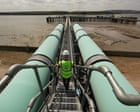
Thames Water is preparing to restart its desalination plant located in Beckton, east London, by the end of 2026. This initiative aims to bolster reservoir water supplies throughout the winter in anticipation of potential water demands in the summer of 2027. The plant, which has operated only five times since its inception, is now projected to have a total cost of £500 million. Its reactivation comes at a time when the current drought conditions are expected to have subsided, raising questions about the timing of its operational readiness. The Beckton facility represents the United Kingdom's sole operational desalination plant, designed to convert seawater into potable water. Its limited operational history underscores the significant investment and the strategic considerations involved in maintaining such infrastructure, particularly in the context of fluctuating weather patterns and water scarcity.
The decision to bring the plant back online follows a period of significant drought, which has placed considerable strain on the UK's water resources. Desalination plants are typically employed as a measure of last resort or as a supplementary source during prolonged dry spells, due to their high energy consumption and operational costs. Thames Water's strategy to operate the plant during the winter months suggests a proactive approach to water management, focusing on building resilience for future dry periods. This approach acknowledges the increasing unpredictability of weather patterns attributed to climate change, which can lead to more frequent and severe droughts. The company's statement indicates a commitment to ensuring a stable water supply for its customers, even as the immediate drought crisis may be easing.
The estimated total cost of £500 million for the Beckton plant highlights the substantial financial commitment required for such large-scale water infrastructure projects. This figure likely encompasses the initial construction, ongoing maintenance, and the costs associated with preparing the plant for renewed operation. The plant's infrequent use prior to this announcement suggests that its operational viability and cost-effectiveness are subject to continuous evaluation, particularly in relation to alternative water management strategies such as reservoir expansion, leakage reduction, and water conservation campaigns. The company's investment in desalination signals a long-term strategy to diversify its water sources and reduce reliance on traditional rainfall-dependent supplies. The timing of the restart, after the anticipated end of the drought, may also reflect the complex logistical and technical preparations required to bring a plant of this nature back into full service, including regulatory approvals and system checks.
Thames Water serves a vast population across London and the Thames Valley, making water security a critical operational imperative. The company has faced scrutiny in the past regarding its performance, particularly concerning environmental incidents and customer service. The reactivation of the desalination plant is therefore a significant development in its efforts to enhance its water supply network and meet the growing demands of a changing climate. The plant's capacity and its integration into the wider water distribution system will be key factors in its effectiveness. The company's focus on building reservoir supplies over the winter period is a standard practice to ensure adequate reserves for the following summer, a time when water demand typically peaks. The addition of desalinated water to this reserve aims to provide an extra layer of security against unforeseen shortages.
Original source — read the full reporting at the publisher:
Read on The Guardian WorldGet the weekly AI digest
AI news + new model releases, weekly. Drafted by our agents, reviewed by humans.