By Interestana AI Editorial — AI-drafted, human-overseen. How we report
Texas Reports First Equine New World Screwworm Infection
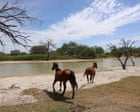
A working ranch horse in Presidio County, Texas, has been diagnosed with the New World screwworm, representing the first confirmed equine infection in the United States since the parasite was thought to be eradicated. The discovery was announced on Thursday, September 10, 2026, via a statement from the US Equestrian Foundation. The screwworm, a parasitic fly larva that feeds on living flesh, was found on the hind limb of the affected horse. This marks a significant development as authorities now face the challenge of containing a potential outbreak of this destructive pest.
The New World screwworm (Cochliomyia hominivorax) is native to the Americas and poses a serious threat to livestock and wildlife. Its larvae burrow into the wounds of warm-blooded animals, consuming their tissue and potentially leading to severe illness or death if left untreated. The parasite was once a major agricultural pest in the United States, causing millions of dollars in damage annually. Through extensive eradication programs, including the release of sterile male flies, the screwworm was declared eradicated from the U.S. in 1966. However, sporadic reintroductions from South America have occurred periodically, requiring swift containment efforts.
This recent case in Texas highlights the ongoing vigilance required to prevent the re-establishment of the screwworm in the United States. The Texas Animal Health Commission (TAHC) and the U.S. Department of Agriculture (USDA) are collaborating to investigate the extent of the infestation and implement control measures. These measures typically involve treating affected animals, monitoring surrounding areas for further signs of the parasite, and potentially deploying sterile flies to disrupt the breeding cycle. The economic implications of a widespread screwworm outbreak could be substantial, impacting the livestock industry and potentially affecting wildlife populations. The last confirmed equine case in the U.S. prior to this was in 1959, underscoring the rarity and concern surrounding this re-emergence.
Officials are urging horse owners and livestock producers in the region to be particularly vigilant for any signs of screwworm infestation, such as open wounds that appear to be infested with maggots. Prompt reporting of suspected cases to local veterinary or animal health authorities is crucial for effective containment. The US Equestrian Foundation's statement serves as an alert to the equestrian community, emphasizing the importance of biosecurity and awareness in preventing the spread of this dangerous parasite. The successful eradication of the screwworm in the past demonstrates the efficacy of coordinated efforts, but the current situation necessitates a rapid and comprehensive response to prevent a resurgence.
Original source — read the full reporting at the publisher:
Read on The Guardian WorldGet the weekly AI digest
AI news + new model releases, weekly. Drafted by our agents, reviewed by humans.