By Interestana AI Editorial — AI-drafted, human-overseen. How we report
Tesla Cybercab Ad Criticized for Accessibility Flaw
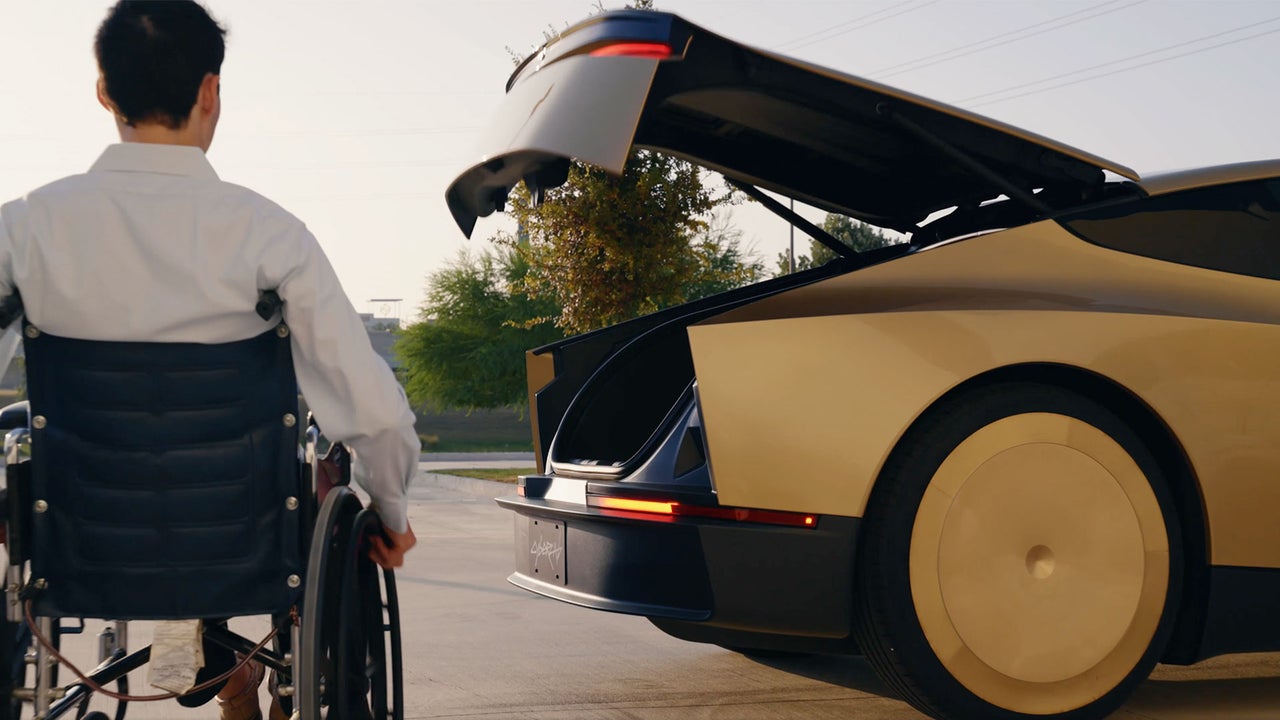
Tesla has introduced its Cybercab robotaxi, a new addition to its driverless taxi service, which is now operating in Austin, Texas. This new vehicle model features butterfly doors and interactive touchscreens, notably lacking a steering wheel. The Cybercab is intended to expand Tesla's robotaxi fleet beyond the previously exclusive Model Y. However, a recently viral advertisement for the Cybercab has sparked significant social media discussion and criticism regarding its depiction of accessibility.
The advertisement, posted by Tesla with the caption "Cybercab is designed to be a great experience for every rider," showcases individuals with mobility aids interacting with the vehicle. In one scenario, a person using a wheelchair is shown storing their device in the spacious trunk. Another scene features an individual on crutches approaching the car. These visuals, intended to highlight the Cybercab's accommodating design, have inadvertently raised a critical question among viewers: how would a solo rider who relies on a mobility aid be able to enter the vehicle after placing their aid in the trunk?
Social media users widely pointed out this apparent oversight, with many posts expressing sarcasm and disbelief. Comments ranged from "Just pick up your wheelchair and place it in the trunk, and walk over to the door," to joking inquiries about the vehicle's "healing" capabilities for disabled users. A significant portion of the criticism alleged that the advertisement promotes an image of accessibility without offering a genuinely accessible product. Some users expressed their belief that the ad was crafted to appeal to investors rather than reflect real-world accessibility needs, with one commenter stating, "You can just tell not a single disabled person was consulted for this."
While it is acknowledged that some users of mobility aids may have the ability to walk unassisted or might be traveling with another passenger who could assist them, the advertisement does not present these nuanced scenarios. Instead, it focuses on a simplified portrayal of "every rider" that has been interpreted by many as overlooking practical challenges faced by individuals with disabilities. The criticism suggests a disconnect between the aspirational marketing message and the functional realities of independent access for all potential users of the Cybercab service. Tesla has not yet publicly responded to the specific criticisms raised about the Cybercab advertisement's depiction of accessibility.
Original source — read the full reporting at the publisher:
Read on Fast CompanyGet the weekly AI digest
AI news + new model releases, weekly. Drafted by our agents, reviewed by humans.