By Interestana AI Editorial — AI-drafted, human-overseen. How we report
Tesla Cybercab Raises First Responder Emergency Concerns
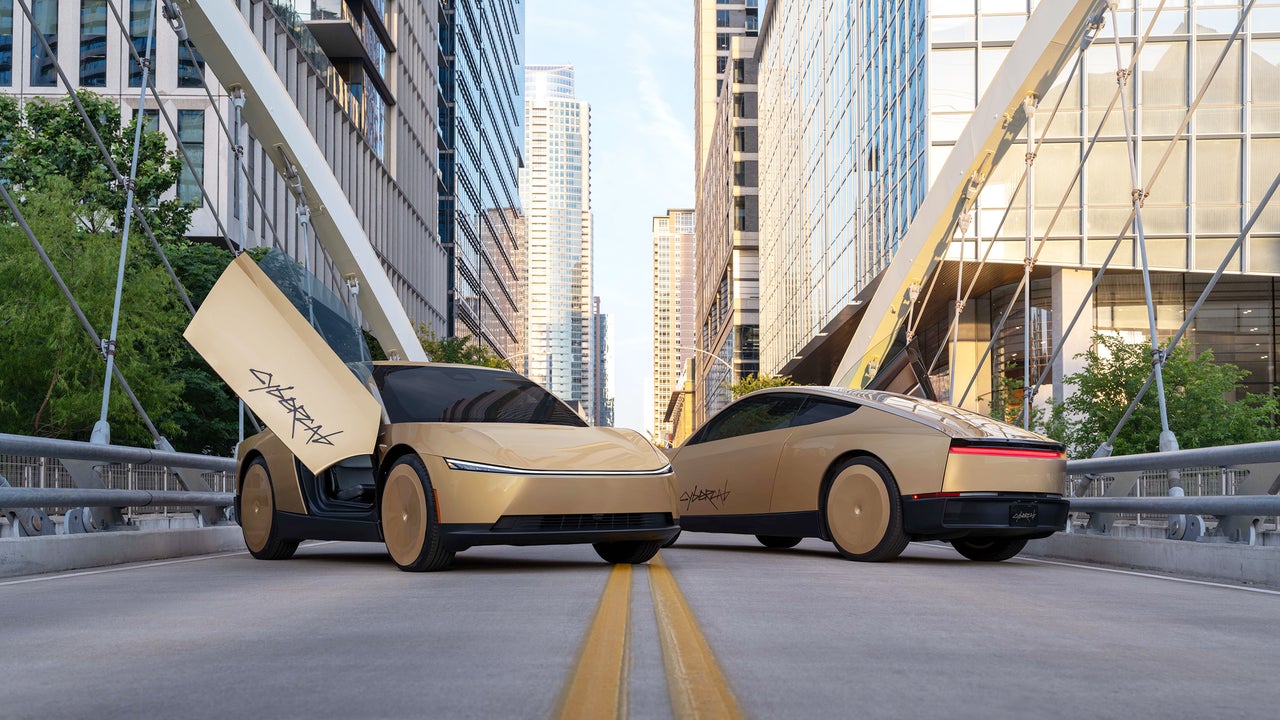
Tesla's Cybercab, a self-driving sedan characterized by its distinctive gold tint and unique sideways and upward ejecting doors, began operating on public roads earlier this month. The autonomous vehicles have been observed in various cities, with some appearing unexpectedly while others, such as in Austin, have commenced offering rides and autonomous services. Similar to other ventures associated with Elon Musk, the Cybercab has generated a polarized public reaction. However, beyond public opinion, the introduction of these robotaxis has prompted significant concerns from firefighters and police officers regarding their protocols for handling emergencies involving these vehicles. This situation underscores the novel challenges emerging from the era of self-driving cars.
New guidance released by Tesla outlines a series of responsibilities for first responders who may encounter Cybercabs during emergency situations. According to Tesla's instructions, upon arriving at an accident scene involving a Cybercab, a firefighter might be required to contact two separate support numbers. They would then need to await a company staff member to establish a connection with the vehicle. Furthermore, the guidance indicates that law enforcement officials may need to reach out to Tesla directly if they wish for the company to implement a geofence. A geofence is a software-defined boundary that can restrict a self-driving car from entering or operating within a specified geographical area for a defined period.
The instructions also emphasize the necessity for first responders to familiarize themselves with the Cybercab's unique door mechanisms and integrated camera systems. They must also learn to identify specific labels that indicate when the vehicle is operating in autonomous mode. The guide addresses the potential for first responders to attempt to operate the vehicle in manual mode, noting that this action necessitates the use of a touchscreen interface. This touchscreen may present accessibility challenges, particularly when first responders are wearing gloves, as has been reported by other media outlets. The guide further highlights that activating the vehicle via the touchscreen after a collision carries additional risks, including the possibility of an electrical fire if low-voltage power support is attempted on a vehicle that has been involved in an accident.
While it remains unclear whether Cybercabs have directly caused issues for first responders to date, residents in some areas have reported observing the vehicles. The collective action problem within the self-driving car industry pertains to the lack of standardized procedures and communication channels between autonomous vehicle manufacturers and emergency services. Tesla's Cybercab, with its specific operational and safety features, necessitates a tailored approach from first responders, creating a need for clear, accessible, and efficient emergency protocols that are currently under development and scrutiny.
Original source — read the full reporting at the publisher:
Read on Fast CompanyGet the weekly AI digest
AI news + new model releases, weekly. Drafted by our agents, reviewed by humans.