By Interestana AI Editorial — AI-drafted, human-overseen. How we report
Tesla Robotaxi Fleet in Austin Drops to 8 Vehicles
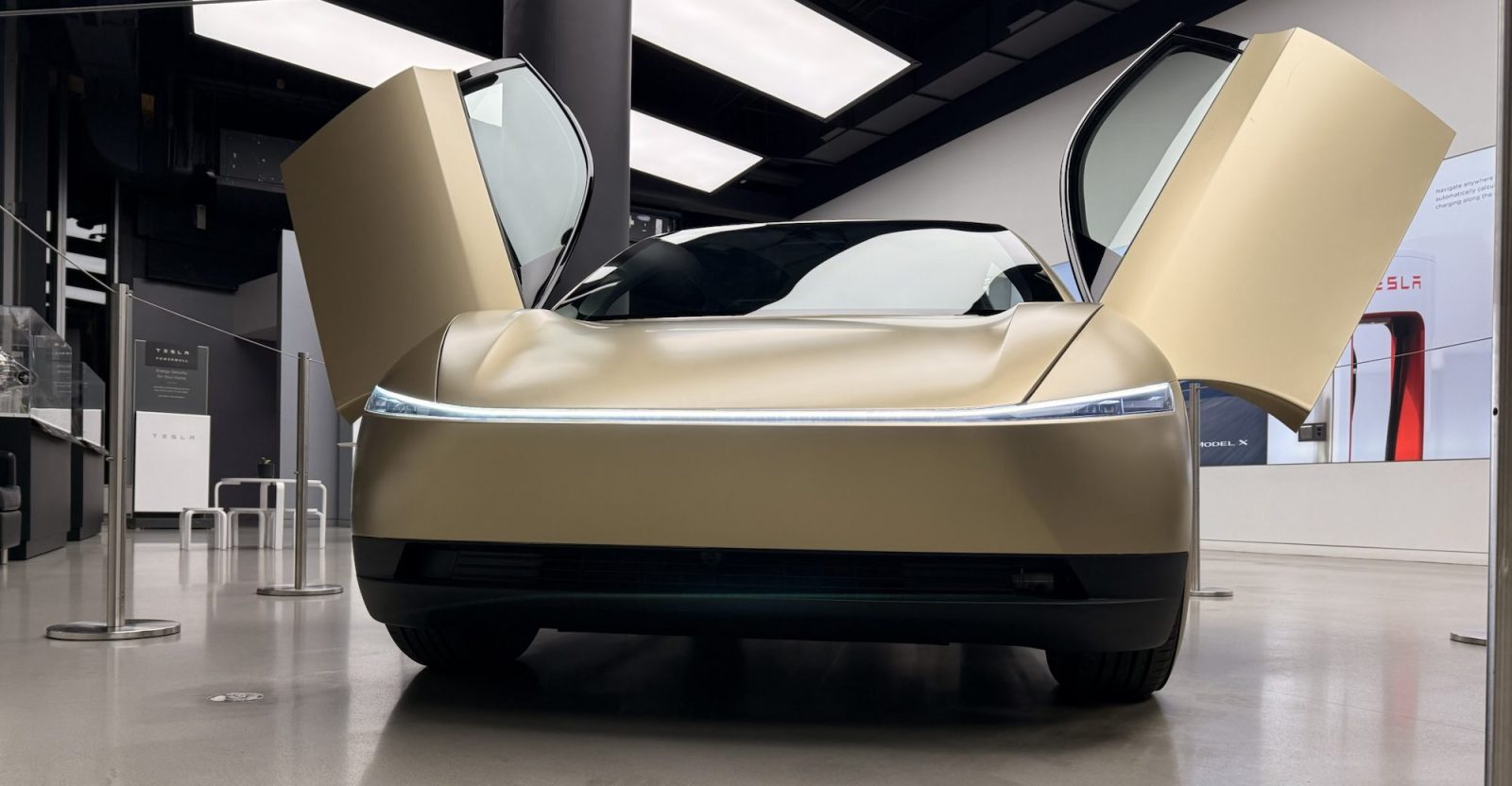
Tesla's active robotaxi fleet operating in Austin, Texas, has significantly decreased to just 8 vehicles over the past seven days, according to data compiled by the community tracker Robotaxi Tracker. This number is notably similar to the fleet size when the service initially launched in June 2025, suggesting a lack of substantial net growth over the intervening fifteen months. The data indicates that a temporary surge in fleet activity, which occurred following Tesla's "launch of the Cybercab," has since dissipated, returning the operational fleet to its early operational numbers. This development raises questions about the scalability and sustained deployment of Tesla's autonomous ride-hailing service in a real-world urban environment.
Robotaxi Tracker, a community-driven initiative, monitors the real-time operational status of autonomous vehicle fleets in various cities. Its data provides a granular view of the number of vehicles actively engaged in ride-hailing services, offering insights into the progress and challenges faced by companies in the autonomous driving sector. The Austin deployment is a key testing ground for Tesla's ambitions in the robotaxi market, a sector where the company has made numerous pronouncements and projections regarding its technological advancements and future service rollout. The recent decline in active vehicles contrasts with the company's stated goals of expanding its autonomous ride-sharing capabilities.
Tesla, led by CEO Elon Musk, has consistently highlighted its progress in developing full self-driving (FSD) technology, which is a prerequisite for its robotaxi service. The company has previously set ambitious timelines for the widespread deployment of its autonomous vehicles, often framing these services as a significant future revenue stream. However, the operational data from Austin suggests that the transition from testing and limited deployment to a robust, scalable service remains a complex undertaking. The "Cybercab" announcement, intended to generate excitement and signal a new phase for the service, appears to have had only a transient impact on the number of vehicles actively serving customers.
The implications of this fleet reduction extend beyond operational metrics. It could influence investor perceptions of Tesla's autonomous driving division and its ability to compete in the burgeoning robotaxi market against established players and emerging startups. The challenges in maintaining and scaling an active fleet in a specific urban setting like Austin may also highlight broader hurdles related to regulatory approval, public acceptance, vehicle maintenance, and the reliability of autonomous systems in diverse traffic conditions. The community tracker's data serves as a crucial, independent source for assessing the tangible progress of such advanced technological deployments.
Original source — read the full reporting at the publisher:
Read on ElectrekGet the weekly AI digest
AI news + new model releases, weekly. Drafted by our agents, reviewed by humans.