By Interestana AI Editorial — AI-drafted, human-overseen. How we report
Tesla Recalls 20,000 Model 3/Y Vehicles Over Overly Bright Headlights
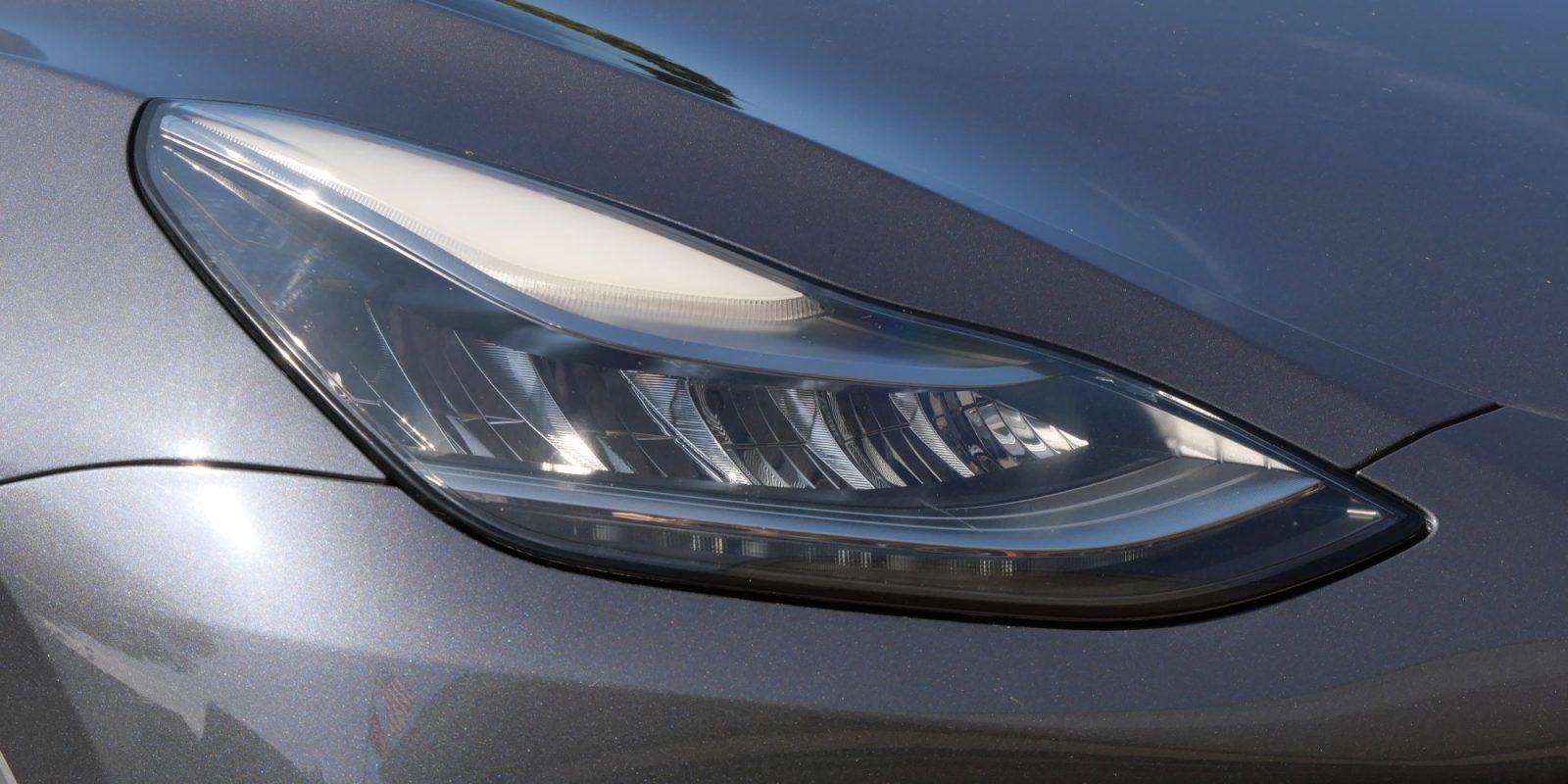
Tesla has initiated a recall impacting an estimated 20,000 Model 3 and Model Y vehicles, primarily those manufactured between 2023 and 2024. The recall addresses a critical safety concern where the vehicle's headlights may be emitting light at levels exceeding regulatory standards. This excessive brightness poses a significant risk to other road users, particularly oncoming drivers, by causing temporary blindness or glare, thereby increasing the likelihood of accidents. Tesla itself identified this issue and has proactively filed a defect information report with the National Highway Traffic Safety Administration (NHTSA), leading to this voluntary recall to rectify the problem. The majority of affected vehicles are those sold within the United States, although the precise number requiring service is still being finalized.
According to the official defect report submitted to the NHTSA, the headlights in question fail to comply with Federal Motor Vehicle Safety Standard (FMVSS) No. 108. This standard is the cornerstone regulation in the U.S. governing the performance and safety of all motor vehicle lighting and reflective devices. The report specifically details that the photometric output, which measures the intensity and distribution of light emitted by the headlights, may be too high. This means the headlights are projecting light beyond the permissible limits for brightness, a condition that can lead to dangerous glare for other drivers, pedestrians, and cyclists. Tesla has explicitly stated in its filing that this non-compliance elevates the risk of a motor vehicle crash.
To resolve this safety defect, Tesla service centers will be equipped to perform a necessary software update on all affected vehicles. This update is designed to precisely recalibrate the headlight control module, ensuring that the brightness levels are adjusted to conform strictly with the established federal safety standards. Tesla plans to formally notify owners of the affected vehicles via mail, providing clear instructions on how to schedule an appointment at a Tesla service center for the free repair. Furthermore, owners can proactively check if their specific vehicle is part of this recall by visiting the NHTSA website or Tesla's dedicated recall portal and entering their Vehicle Identification Number (VIN). The recall process is slated to commence on March 29, 2024, with the initial notification letters expected to be dispatched shortly thereafter. Tesla has affirmed that this software correction will be provided at no cost to any affected owner.
Original source — read the full reporting at the publisher:
Read on ElectrekGet the weekly AI digest
AI news + new model releases, weekly. Drafted by our agents, reviewed by humans.