By Interestana AI Editorial — AI-drafted, human-overseen. How we report
Tesla Model 3 and Y Gain Home Power Backup
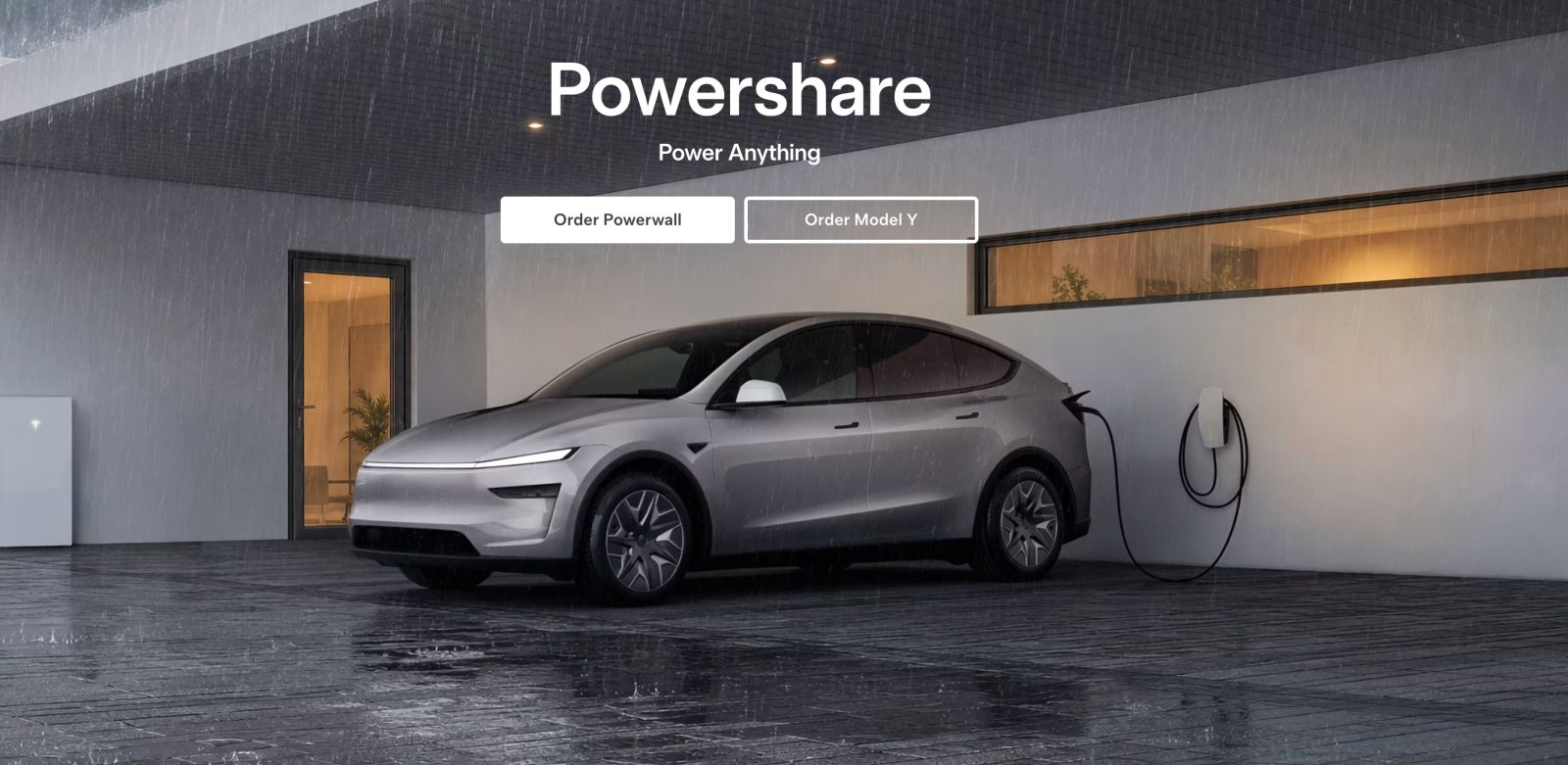
Tesla has enabled its Powershare Home Backup functionality for the Model 3 and Model Y electric vehicles, allowing these two high-volume models to send power back into a residential dwelling during an electrical outage. This capability was previously exclusive to the Tesla Cybertruck, which had already been equipped with bidirectional charging technology. The integration of Powershare for the Model 3 and Model Y signifies a significant expansion of Tesla's vehicle-to-grid (V2G) and vehicle-to-home (V2H) capabilities, moving beyond its initial application in the Cybertruck.
To utilize this new home backup feature, Tesla owners must possess a Powerwall 3 home battery system. The Powerwall 3 is Tesla's latest iteration of its energy storage solution, designed to store solar energy or grid electricity for later use, including powering a home during grid failures. The company has specified that the feature is guaranteed for vehicles ordered on or after October 1. This date suggests a phased rollout or a specific production window for the hardware necessary to support the Powershare functionality, potentially related to updated onboard charging or battery management systems.
The introduction of home backup power for the Model 3 and Model Y places Tesla in direct competition with other automakers that have already integrated similar capabilities into their electric vehicle lineups. Ford, for instance, has been offering its F-150 Lightning pickup truck with the "Intelligent Backup Power" feature for several years, enabling it to power a home during an outage. General Motors (GM) has also been developing and deploying V2H technology with its Ultium platform, showcased in vehicles like the Hummer EV. These competitors have established a precedent for EVs serving as mobile power sources for homes, a market segment Tesla is now more broadly entering with its most popular models.
The Powershare system leverages the vehicle's battery to supply electricity to the home, effectively acting as a mobile generator. This functionality is particularly valuable in regions prone to power outages caused by severe weather events or grid instability. By enabling the Model 3 and Model Y to perform this function, Tesla is enhancing the utility and value proposition of its mass-market electric vehicles, further integrating them into a homeowner's energy ecosystem. The requirement for a Powerwall 3 highlights Tesla's strategy of offering a comprehensive energy solution, combining electric vehicles with home energy storage and solar products.
Original source — read the full reporting at the publisher:
Read on ElectrekGet the weekly AI digest
AI news + new model releases, weekly. Drafted by our agents, reviewed by humans.