By Interestana AI Editorial — AI-drafted, human-overseen. How we report
Tesla Full Self-Driving Earns Drivers Speeding Tickets
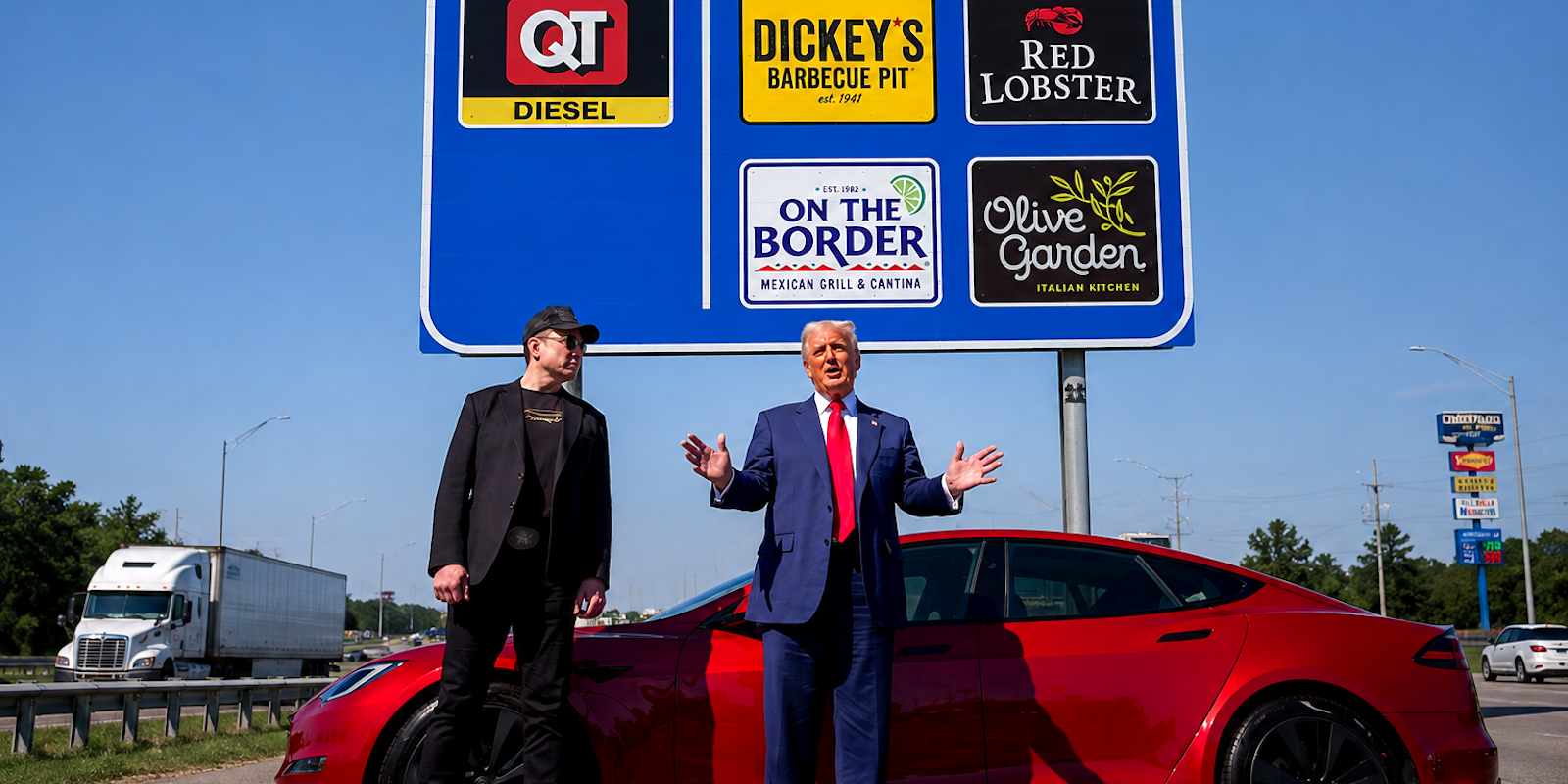
Tesla's Full Self-Driving (FSD) software is reportedly contributing to drivers accumulating speeding tickets, a situation that places the financial burden of these citations on the vehicle owners. This issue was highlighted on an episode of "Quick Charge," a program that also featured commentary from President Trump regarding electric vehicle drivers and an extended discussion by Waymo's CEO on the comparative capabilities of Tesla's technology versus human drivers. The implication is that the advanced driver-assistance system, while intended to enhance driving, may be contributing to violations of traffic laws.
The specific context of "Full Self-Driving" earning Tesla drivers tickets suggests that the system's operation, or the driver's interaction with it, is leading to instances of exceeding posted speed limits. This raises questions about the system's adherence to traffic regulations and its overall safety and reliability in diverse driving conditions. While Tesla markets FSD as a feature that can eventually enable autonomous driving, its current iteration requires active driver supervision, and the reported ticket accumulation indicates potential shortcomings in its ability to manage speed appropriately or in drivers' understanding and use of the system.
Waymo's CEO, in a segment lasting over forty minutes, reportedly elaborated on why Tesla's autonomous technology might not surpass human driving capabilities. This comparison underscores the ongoing debate and development within the autonomous vehicle industry, where different companies pursue distinct technological pathways and face varying levels of regulatory and public scrutiny. The performance of FSD in real-world scenarios, as evidenced by the speeding ticket issue, is a critical data point in this broader industry narrative. The financial responsibility for these tickets falling on the drivers themselves means that the perceived benefits of the FSD system are directly counterbalanced by potential monetary penalties, impacting the cost of ownership and the user experience.
The broader implications of FSD-related tickets extend to Tesla's reputation and the public perception of autonomous driving technology. As more vehicles equipped with advanced driver-assistance systems are deployed, understanding their real-world performance, including their tendency to comply with traffic laws or the potential for misuse, becomes increasingly important. The "Quick Charge" episode's focus on these issues suggests a growing public and media interest in the practical, and sometimes problematic, aspects of current autonomous driving technologies, moving beyond theoretical capabilities to tangible consequences for drivers and the automotive industry at large. The specific details of how FSD contributes to speeding, whether through system miscalculation, driver over-reliance, or a combination thereof, remain a key area of concern for both Tesla and its customers.
Original source — read the full reporting at the publisher:
Read on ElectrekGet the weekly AI digest
AI news + new model releases, weekly. Drafted by our agents, reviewed by humans.