By Interestana AI Editorial — AI-drafted, human-overseen. How we report
Tesla Full Self-Driving Bug Triggers False Camera Alerts
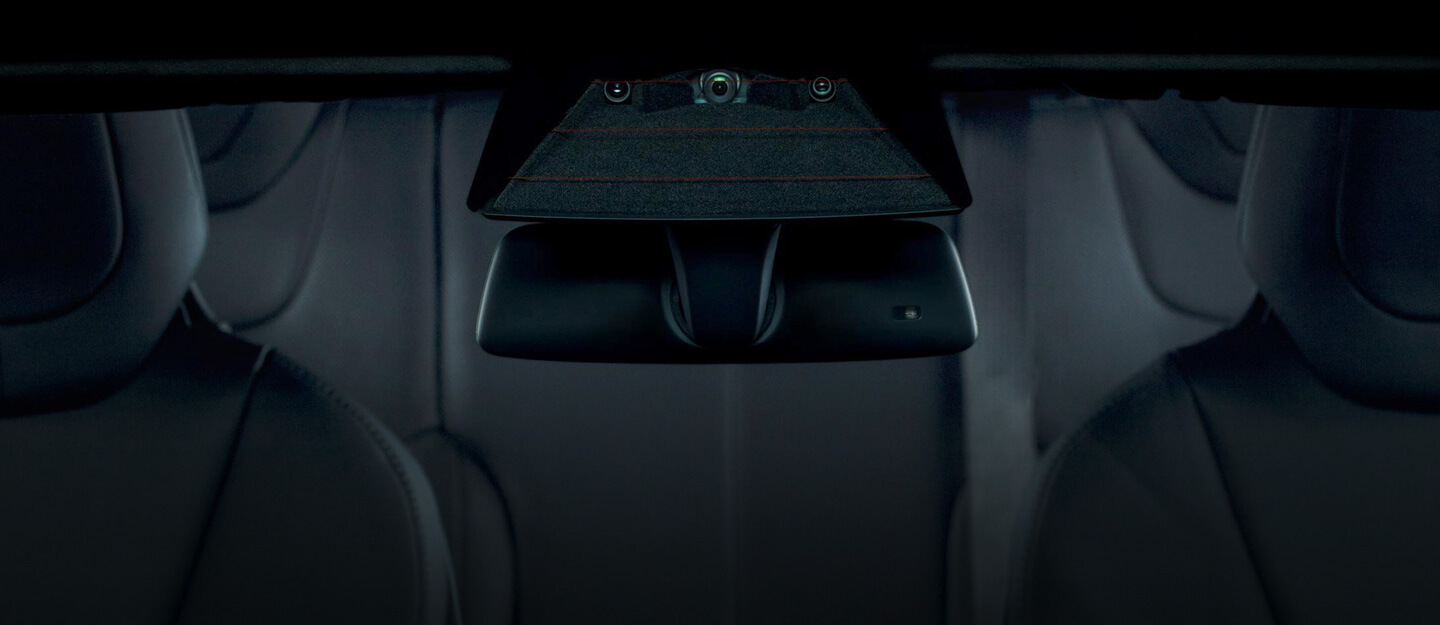
Tesla's Full Self-Driving (FSD) software, specifically version v14.3.9, has introduced a significant bug that is falsely alerting owners to dirty camera sensors. This issue is prompting vehicle owners to schedule service appointments for a problem that does not actually exist, as the cameras are functioning correctly. The company has acknowledged the existence of this software defect and has begun the process of canceling the erroneous service appointments that were generated as a result of the false alerts. Tesla has stated that a resolution for this bug is planned and is expected to be included in a future software update.
The Full Self-Driving system is an advanced driver-assistance system developed by Tesla, designed to enable vehicles to drive autonomously under certain conditions. It relies on a suite of cameras and sensors to perceive the environment and navigate roads. The system has undergone numerous iterations and updates since its inception, with each version aiming to improve its capabilities and reliability. However, like any complex software, it is susceptible to bugs and glitches that can impact its performance and user experience. The current issue with v14.3.9 highlights the ongoing challenges in perfecting autonomous driving technology, where even minor software errors can lead to user inconvenience and potential distrust in the system's reliability.
This particular bug, which falsely flags clean cameras as dirty, directly impacts the user's interaction with the FSD system. Owners receive notifications that suggest a hardware malfunction or a maintenance requirement, leading them to believe their vehicle needs attention. The subsequent scheduling of service appointments adds an unnecessary layer of inconvenience and potential cost, even if Tesla is now canceling these appointments. The company's confirmation of the bug and its commitment to a fix in an upcoming update are crucial steps in addressing user concerns and maintaining confidence in the FSD technology. The development and deployment of software updates for advanced automotive systems require rigorous testing to prevent such occurrences, and this incident underscores the importance of thorough quality assurance processes in the automotive industry, particularly for safety-critical systems like autonomous driving.
The expectation of a fix in a "coming update" indicates that Tesla is actively working on a software patch. The timeline for this update has not been specified, but it is anticipated to resolve the false camera alerts and prevent future occurrences of this particular glitch. This situation also raises questions about the testing protocols for FSD updates, as a bug of this nature, which directly affects user notifications and service scheduling, might have been detectable during pre-release testing phases. As Tesla continues to refine its Full Self-Driving capabilities, addressing such software anomalies promptly and transparently will be key to its long-term success and public acceptance.
Original source — read the full reporting at the publisher:
Read on ElectrekGet the weekly AI digest
AI news + new model releases, weekly. Drafted by our agents, reviewed by humans.