By Interestana AI Editorial — AI-drafted, human-overseen. How we report
Tesla FSD v14 Lite Linked to HW3 Computer Failures
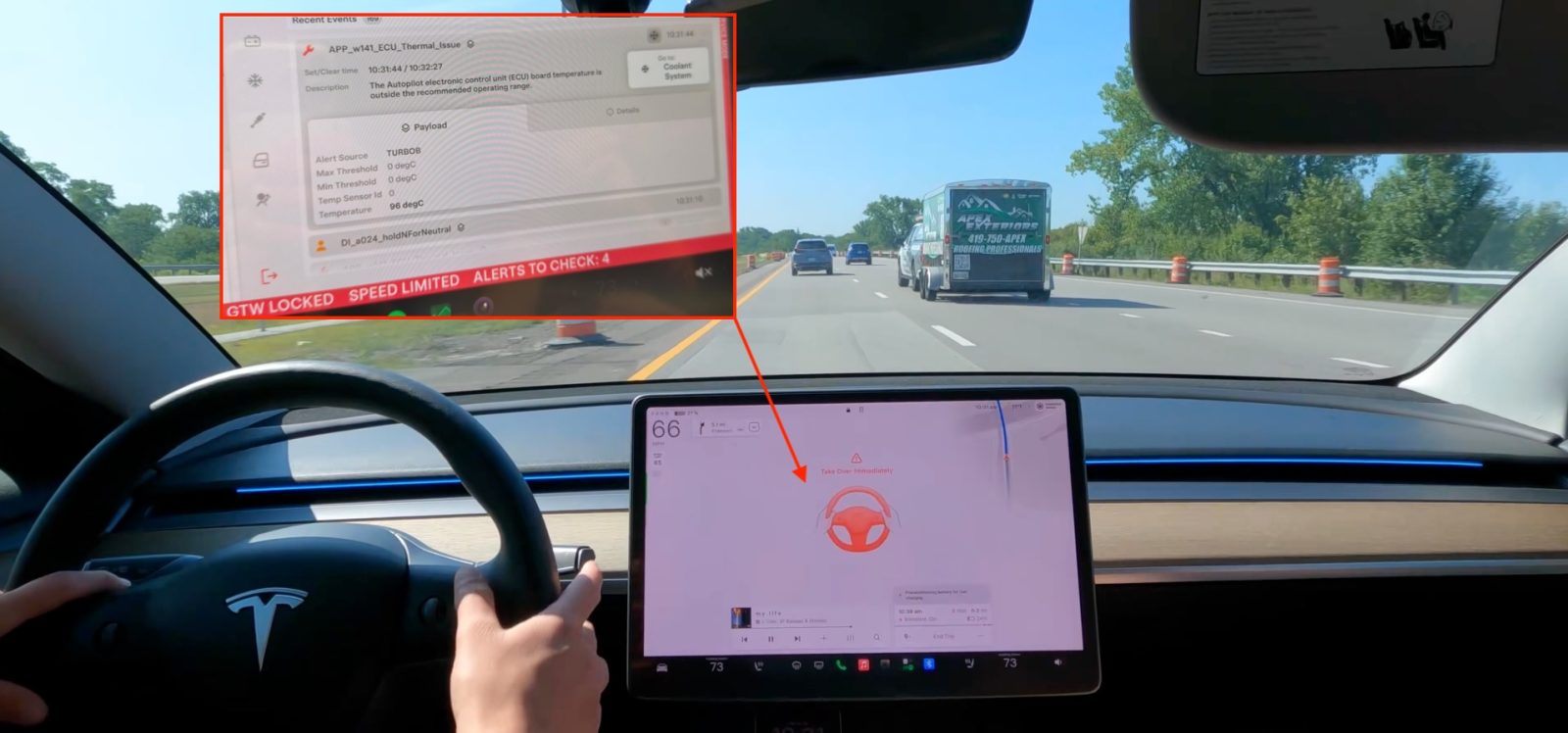
A significant number of Tesla owners operating vehicles equipped with Hardware 3 (HW3) and running the recently released Full Self-Driving (FSD) v14 “Lite” software build are experiencing a surge in Autopilot computer overheating alerts. In some instances, these alerts have escalated to complete computer failures. These reports have accumulated rapidly over the two weeks following Tesla's broad deployment of the v14 Lite update. At least four Tesla owners have independently contacted Electrek to detail their encounters with this specific issue, indicating a pattern of hardware distress directly correlated with the new software version. The HW3 computer, also known as the Autopilot Computer 3.0, is a custom-designed chip by Tesla that processes sensor data for its advanced driver-assistance systems, including FSD. Its primary function is to enable features like Autosteer, Navigate on Autopilot, and Autopark. The overheating and subsequent failures suggest a potential incompatibility or an increased thermal load imposed by the v14 Lite software, which may be more computationally intensive than previous iterations. Owners have shared screenshots and descriptions of their experiences on social media platforms and directly with automotive news outlets, highlighting the urgency of the situation. The problem appears to be concentrated among users of the HW3 computer, which has been standard in Tesla vehicles produced between approximately 2019 and mid-2023. Vehicles equipped with the newer Hardware 4 (HW4) computer do not seem to be affected by this particular issue, suggesting a hardware-specific vulnerability. The implications of these failures are substantial, as the Autopilot computer is critical for the operation of Tesla's advanced driver-assistance features. A malfunctioning computer can lead to a loss of functionality for these systems, potentially impacting driver safety and the overall user experience. Furthermore, the cost of replacing an Autopilot computer can be significant, and owners are concerned about whether these failures will be covered under warranty, especially if they are directly attributable to a software update. Tesla has not yet issued a formal statement or a software patch to address these widespread reports. The company's silence on the matter is adding to the anxiety among affected owners. This situation raises questions about Tesla's software testing and validation processes, particularly when deploying updates to critical vehicle systems. The company's commitment to pushing advanced software features, such as FSD, has been a hallmark of its brand, but this incident underscores the importance of ensuring hardware compatibility and thermal management. As more owners report similar problems, the pressure on Tesla to investigate and resolve the issue is mounting. The long-term impact on owner trust and the perception of Tesla's FSD technology remains to be seen, but the current trend of HW3 computer failures linked to FSD v14 Lite is a cause for concern within the Tesla owner community.
Original source — read the full reporting at the publisher:
Read on ElectrekGet the weekly AI digest
AI news + new model releases, weekly. Drafted by our agents, reviewed by humans.