By Interestana AI Editorial — AI-drafted, human-overseen. How we report
Tesla FSD to Avoid Potholes, Musk Reiterates Promise
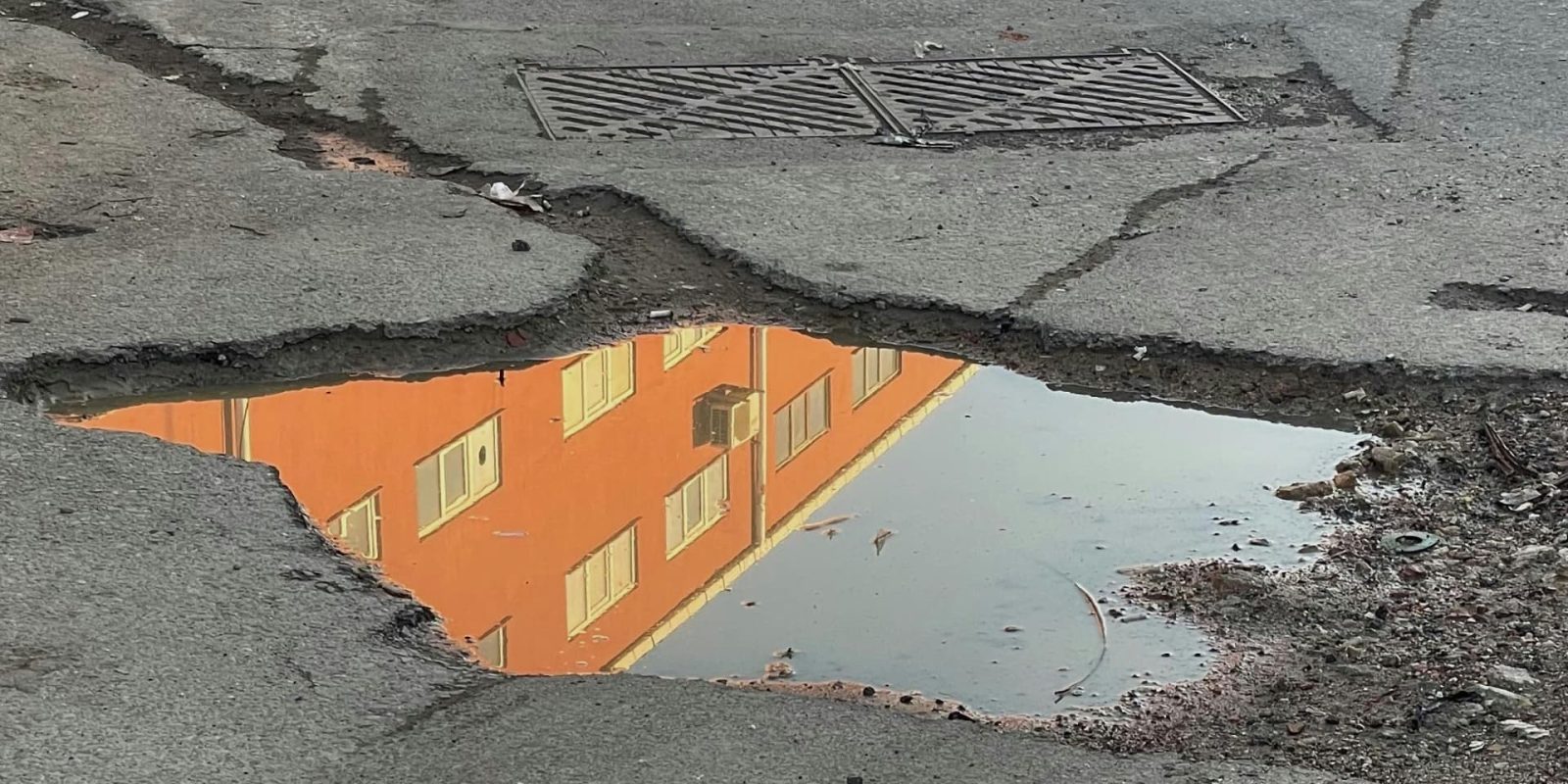
Tesla's Full Self-Driving (FSD) system is slated to gain the capability to avoid potholes "coming soon," as announced by Tesla CEO Elon Musk over the weekend. This announcement revives a promise previously made by Musk in 2019, indicating a persistent development goal for the company's autonomous driving technology. The potential implementation of this feature could significantly enhance the driving experience for Tesla owners, particularly in regions with poorly maintained road infrastructure. Avoiding potholes is a critical aspect of autonomous driving, as it directly impacts vehicle safety, passenger comfort, and the longevity of vehicle components such as tires and suspension systems. The ability for a vehicle to autonomously detect and navigate around road hazards like potholes requires sophisticated sensor interpretation and real-time decision-making algorithms. This involves processing data from cameras, radar, and potentially other sensors to identify the size, depth, and location of a pothole, and then executing a safe and efficient maneuver to avoid it without disrupting traffic flow. The reiteration of this feature's development suggests ongoing efforts within Tesla to refine its perception and control systems. Musk's consistent emphasis on FSD's capabilities, even when facing development timelines, underscores the company's long-term vision for fully autonomous vehicles. The development of such features is part of a broader trend in the automotive industry towards advanced driver-assistance systems (ADAS) and ultimately, fully autonomous driving. Companies worldwide are investing heavily in AI and machine learning to enable vehicles to perceive their environment, make complex decisions, and operate safely without human intervention. The challenge of reliably detecting and avoiding dynamic road hazards like potholes, especially in varied weather conditions and lighting, remains a significant hurdle in achieving widespread Level 4 and Level 5 autonomy. Tesla's approach to FSD relies heavily on a vision-based system, processing data from multiple cameras mounted on the vehicle. The success of this pothole avoidance feature will depend on the system's ability to accurately interpret visual data in real-time and translate it into precise steering and braking commands. The company has previously highlighted advancements in its neural network architecture and data processing capabilities, which are crucial for enabling such complex functionalities. The timeline for "coming soon" remains unspecified, as is typical with many of Musk's pronouncements, but the renewed focus on this specific capability suggests it is a priority for the current development cycle of the FSD software. The successful integration of pothole avoidance would represent a tangible improvement in the practical application of FSD, addressing a common and often frustrating aspect of daily driving.
Original source — read the full reporting at the publisher:
Read on ElectrekGet the weekly AI digest
AI news + new model releases, weekly. Drafted by our agents, reviewed by humans.