By Interestana AI Editorial — AI-drafted, human-overseen. How we report
Tesla Cybercab Faces NHTSA Probe Over Unconventional Design
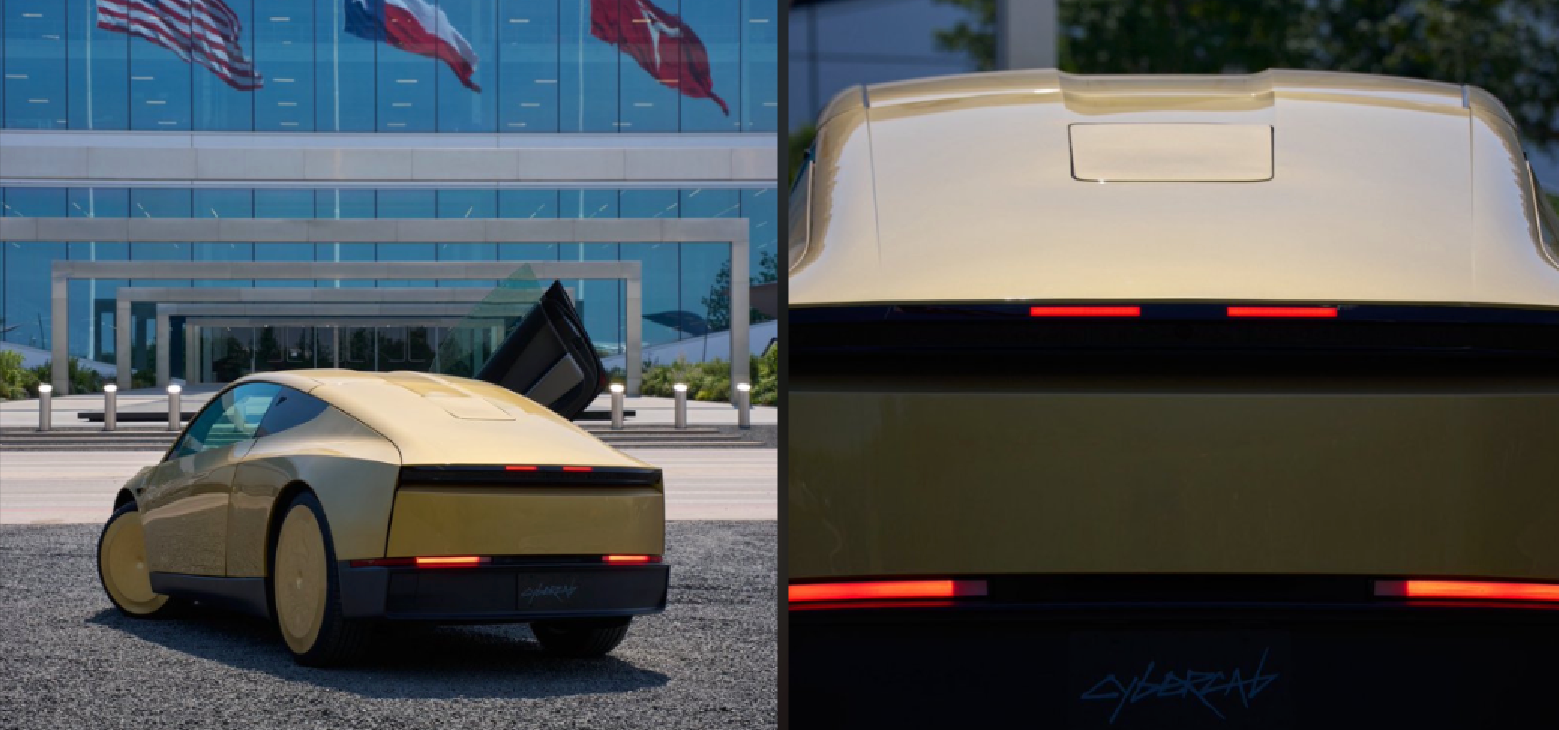
Tesla's Cybercab, a novel autonomous vehicle, is now under investigation by the National Highway Traffic Safety Administration (NHTSA). The federal agency initiated an audit into Tesla's certification process for the Cybercab on the very same day the company began transporting passengers in the vehicle in Austin, Texas. This investigation specifically targets the unique design features that distinguish the Cybercab from conventional automobiles. These features include the complete absence of a steering wheel, pedals, and mirrors, all of which Tesla has certified as compliant with road-legal standards. The NHTSA's scrutiny centers on how Tesla determined that a vehicle lacking these fundamental driver controls could be legally operated on public roads.
This development marks a significant early challenge for Tesla's ambitious foray into autonomous ride-hailing services. The Cybercab is designed to operate without human intervention, relying entirely on its advanced self-driving technology. The absence of a steering wheel and pedals means that a human driver cannot take manual control of the vehicle in any situation. This raises critical questions about the safety protocols and validation methods employed by Tesla to ensure the vehicle's safe operation under all foreseeable circumstances. The NHTSA's audit will likely examine the data and testing procedures Tesla used to arrive at its self-certification that the Cybercab meets all applicable federal motor vehicle safety standards.
Tesla has been a pioneer in the development of autonomous driving technology, with its Autopilot and Full Self-Driving (FSD) systems being subjects of ongoing regulatory attention. The company has consistently pushed the boundaries of what is considered safe and legal for autonomous vehicles. The Cybercab represents a further evolution of this strategy, aiming to create a fully driverless taxi service. However, the NHTSA's intervention underscores the significant regulatory hurdles that such radical departures from traditional vehicle design must overcome. The agency's mandate is to ensure the safety of all road users, and investigations into novel vehicle architectures are a standard part of its oversight process. The outcome of this audit could have substantial implications for the future deployment of driverless vehicles not only by Tesla but also by other companies in the autonomous vehicle sector.
The investigation is expected to scrutinize Tesla's engineering and safety assessments related to the Cybercab's operational design domain, its fail-safe mechanisms, and its ability to handle unexpected events or edge cases. The lack of physical controls also presents unique challenges for emergency situations, and the NHTSA will likely be interested in how Tesla has addressed these potential scenarios. As Tesla continues to expand its testing and potential deployment of the Cybercab, the findings of this NHTSA investigation will be closely watched by the industry, regulators, and the public.
Original source — read the full reporting at the publisher:
Read on ElectrekGet the weekly AI digest
AI news + new model releases, weekly. Drafted by our agents, reviewed by humans.