By Interestana AI Editorial — AI-drafted, human-overseen. How we report
Tesla Cybercab Robotaxis Exhibit Annoying Tesla Navigation Habits
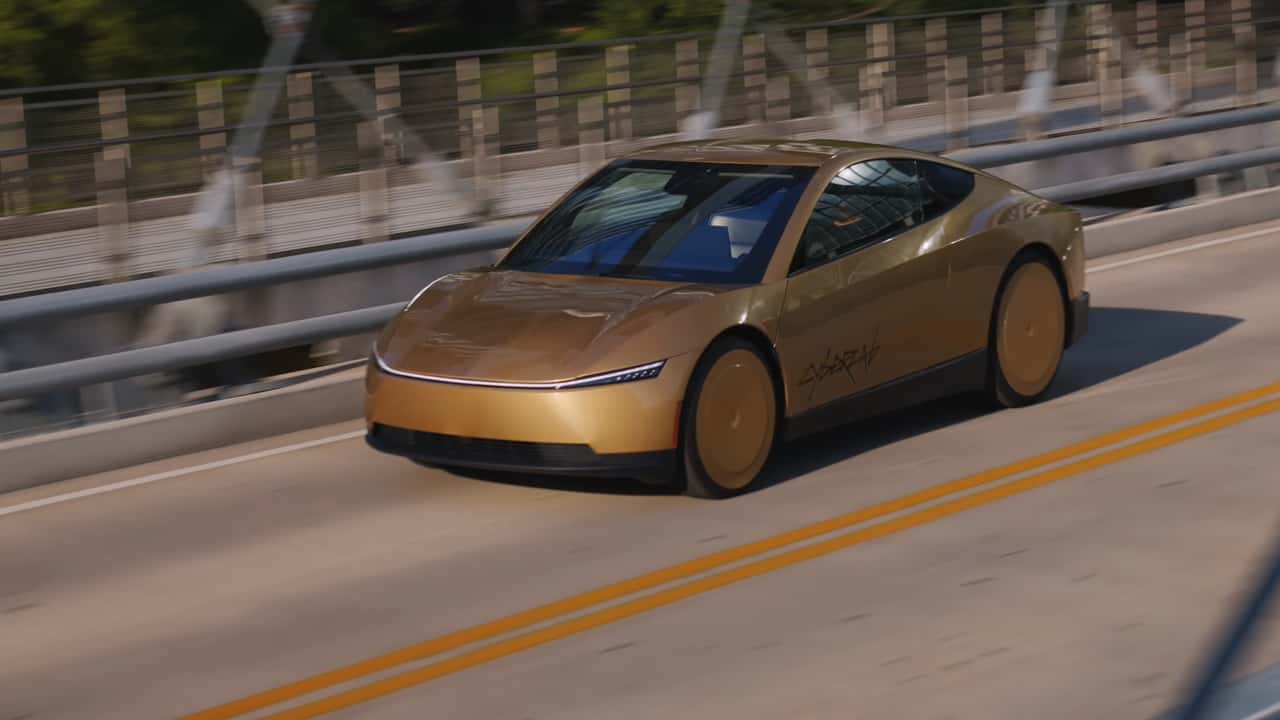
Tesla's new Cybercab robotaxis are exhibiting navigation behaviors that mirror some of the most criticized aspects of owning a Tesla vehicle, according to early rider reports. Specifically, the autonomous ride-hailing service appears to be taking circuitous and inefficient routes, a phenomenon that Tesla owners have been vocal about for years. This issue suggests that the underlying navigation software, or the parameters guiding its decision-making, may have inherited these problematic traits from Tesla's consumer vehicle line.
For years, Tesla owners have documented instances where their vehicles, even when using the built-in navigation system, would opt for routes that seemed illogical or unnecessarily long. These complaints often surfaced on online forums and social media, with users sharing screenshots and personal anecdotes of being routed through congested areas or taking indirect paths to their destinations. The expectation was that a dedicated robotaxi service, designed for optimal efficiency and passenger experience, would have addressed and resolved such navigation quirks. However, initial reports from Cybercab riders indicate that these familiar frustrations have persisted.
The implications of this navigation issue for the Cybercab service are significant. Efficiency is paramount in the ride-hailing industry, directly impacting operational costs and profitability. If robotaxis are consistently taking longer routes, it means more energy consumption, increased wear and tear on the vehicles, and potentially longer wait times for subsequent passengers. Furthermore, passenger satisfaction is crucial for the adoption and success of autonomous taxi services. A frustrating or inefficient ride experience could deter potential users and lead to negative reviews, hindering the service's growth.
Tesla's approach to autonomous driving, particularly its reliance on vision-based systems and neural networks, has been a subject of ongoing discussion and scrutiny. While the company has made significant advancements, the persistent navigation issues in both consumer vehicles and the new robotaxi service raise questions about the robustness and optimization of its routing algorithms. It is unclear whether these routes are a result of the system prioritizing certain factors over others, such as avoiding specific road types or adhering to pre-defined operational zones, or if it represents a fundamental challenge in replicating human-like navigational intuition.
Tesla has not yet publicly addressed these specific rider complaints regarding the Cybercab's navigation. The company's broader strategy for autonomous driving, often referred to as Full Self-Driving (FSD), has faced regulatory hurdles and public skepticism. The performance of the Cybercab service, particularly in its early stages, will be closely watched as a key indicator of Tesla's progress and capabilities in the autonomous vehicle sector. The persistence of familiar navigation annoyances could signal a need for further refinement of the underlying AI and software before widespread deployment.
Original source — read the full reporting at the publisher:
Read on InsideEVsGet the weekly AI digest
AI news + new model releases, weekly. Drafted by our agents, reviewed by humans.