By Interestana AI Editorial — AI-drafted, human-overseen. How we report
Tesla Confirms Autopilot Engaged in Fatal Texas Crash
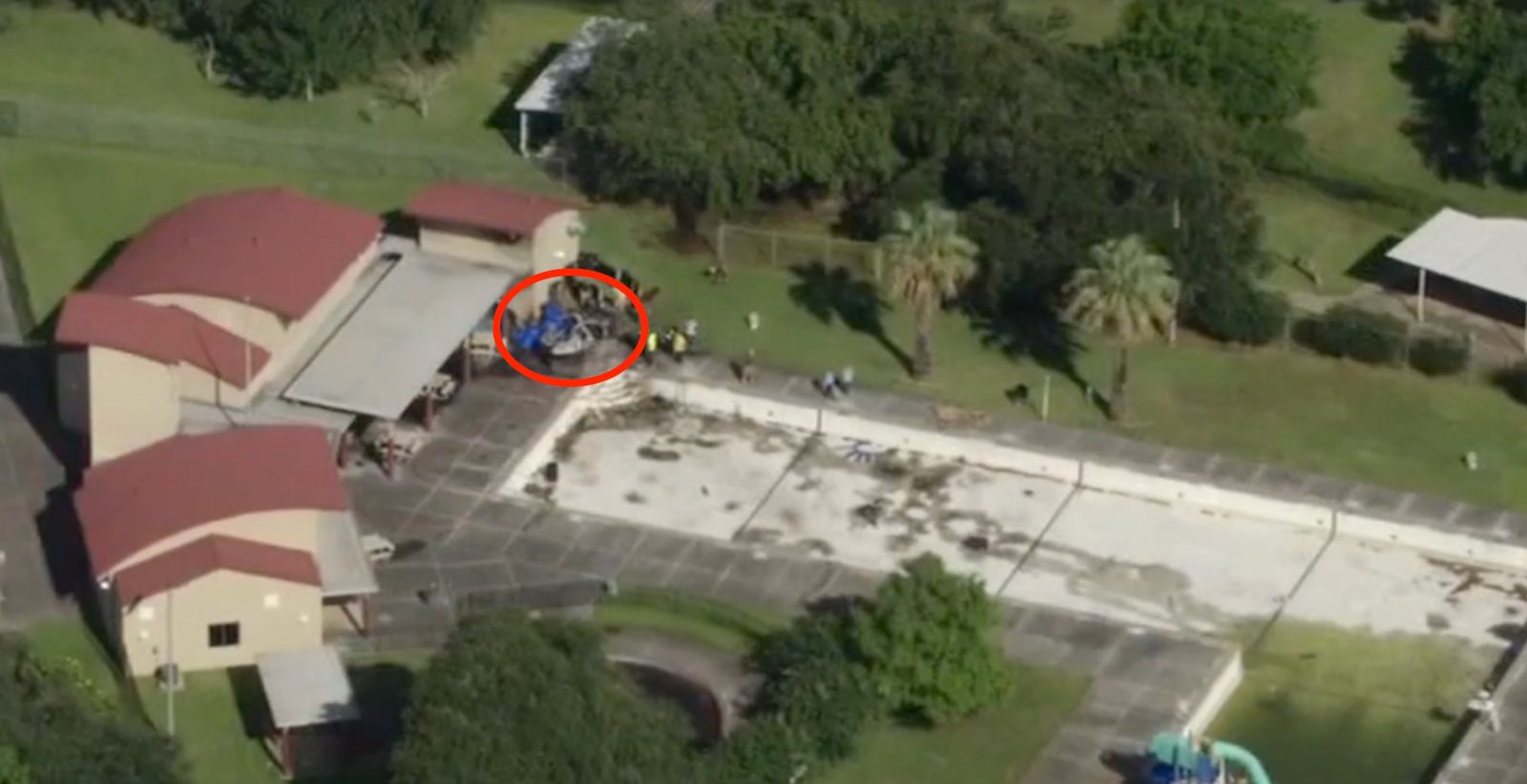
Tesla confirmed to federal regulators that its driver-assist system, Autopilot, was "verified engaged" at the time of a fatal crash involving a Model 3 in Clute, Texas. The incident occurred in May 2026, with the vehicle traveling at 104 mph, resulting in the death of its driver. This critical detail, revealed by Tesla's internal data, was notably absent from all official police statements and subsequent news reports concerning the crash. The discrepancy highlights a recurring issue regarding the transparency of information surrounding accidents involving Tesla's advanced driver-assistance systems, specifically Autopilot and its "Full Self-Driving" (FSD) capabilities. The National Highway Traffic Safety Administration (NHTSA) has been investigating numerous incidents involving Tesla vehicles where the Autopilot or FSD systems were suspected of being active. These investigations often involve complex data analysis from the vehicle's internal systems, which Tesla controls. The company's internal verification of system engagement provides a more direct account than initial police reports, which may focus on driver behavior or environmental factors. The gap between Tesla's verified data and publicly disseminated information raises questions about the completeness of public understanding of these crashes. Critics and safety advocates have long called for greater transparency from automakers regarding the performance and limitations of their autonomous driving technologies. Tesla's Autopilot system is designed to assist drivers with steering, acceleration, and braking, while "Full Self-Driving" is an advanced suite of features intended to eventually enable autonomous operation, though it still requires active driver supervision. The company's own documentation and public statements often emphasize that these systems are driver-assist features and do not make the vehicle fully autonomous, requiring drivers to remain attentive and ready to take control. The May 2026 crash in Texas is one of many incidents that have drawn scrutiny from regulators and the public alike, prompting ongoing discussions about the safety and regulatory frameworks for advanced driver-assistance systems. The lack of immediate public disclosure of Tesla's internal findings in this case further fuels concerns about the accessibility of crucial safety data. The NHTSA's ongoing investigations aim to determine the extent to which these systems contribute to or are involved in vehicle crashes, with findings often impacting regulatory policy and manufacturer practices. The specific circumstances of the Texas crash, including the high speed and the engagement of Autopilot, are central to understanding the system's behavior in critical situations. Tesla's confirmation, though delayed in public reporting, provides a significant piece of evidence for investigators and the public seeking to understand the role of its technology in road safety.
Original source — read the full reporting at the publisher:
Read on ElectrekGet the weekly AI digest
AI news + new model releases, weekly. Drafted by our agents, reviewed by humans.