By Interestana AI Editorial — AI-drafted, human-overseen. How we report
Tesla Autopilot Engaged in Fatal I-35 Crash
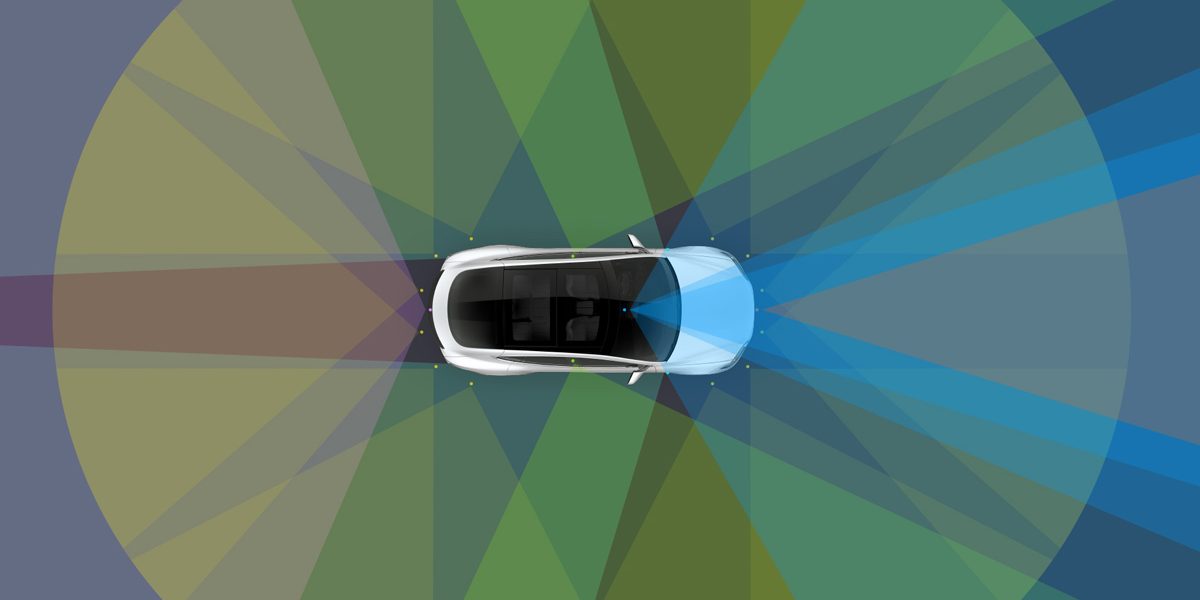
A 2024 Tesla Model Y, with its driver-assist system engaged, veered off Interstate 35 in rural Missouri, struck a guardrail, and resulted in the death of its 64-year-old driver from Raymore. The Missouri State Highway Patrol initially reported the incident as a single-vehicle wreck where the car "went off the road," but did not explicitly state the engagement of Tesla's Autopilot system. This detail emerged from Tesla's own report submitted to federal regulators, specifically the National Highway Traffic Safety Administration (NHTSA). This finding is part of an ongoing investigation by Electrek, which aims to correlate publicly reported crashes with Tesla's data submitted to the NHTSA, often provided in a redacted format. The investigation seeks to provide a clearer picture of the role advanced driver-assistance systems (ADAS) play in vehicle accidents.
The specific incident occurred on a stretch of I-35 in a rural area of Missouri, a state known for its extensive highway network. The vehicle, a 2024 Tesla Model Y, was traveling when it departed from its lane, ultimately colliding with a guardrail. The impact was severe enough to cause fatal injuries to the driver, a resident of Raymore, Missouri. The age of the driver, 64, places them within a demographic that may have varying levels of familiarity and reliance on advanced automotive technologies. The engagement of Tesla's driver-assist system, which includes features like Autopilot, means the vehicle was operating under the supervision of this technology at the time of the crash. Autopilot is designed to assist with steering, acceleration, and braking, but it requires active driver supervision and does not make the vehicle autonomous.
Tesla's reporting to the NHTSA is a mandatory requirement for manufacturers following certain types of crashes involving their vehicles, particularly those where advanced driver-assistance systems or automated driving features are suspected to be involved. The redaction of this data by Tesla has been a point of contention, with investigators and regulators seeking more transparency to understand the safety performance of these systems. The Electrek investigation highlights the critical need for accessible and comprehensive data to assess the real-world performance and safety implications of ADAS technologies. By cross-referencing crash reports with manufacturer data, the investigation aims to shed light on the circumstances surrounding accidents and the extent to which these systems contribute to or mitigate risks. The findings from this investigation could inform future regulatory actions, consumer awareness campaigns, and further development of safer ADAS features by Tesla and other automotive manufacturers.
The broader context of this incident involves the increasing prevalence of ADAS in modern vehicles and the ongoing debate surrounding their safety and capabilities. While these systems are designed to enhance safety and reduce driver fatigue, they also present challenges related to driver over-reliance, understanding system limitations, and ensuring proper engagement and disengagement protocols. The NHTSA has been actively investigating various incidents involving Tesla's Autopilot and other ADAS features, seeking to understand the safety performance and potential risks associated with their use. The outcome of such investigations can lead to safety recommendations, recalls, or changes in how these systems are marketed and regulated. This particular crash underscores the importance of continued scrutiny and data-driven analysis to ensure that advanced automotive technologies are deployed safely and effectively, ultimately protecting drivers and the public.
Original source — read the full reporting at the publisher:
Read on ElectrekGet the weekly AI digest
AI news + new model releases, weekly. Drafted by our agents, reviewed by humans.