By Interestana AI Editorial — AI-drafted, human-overseen. How we report
Tesla Robotaxi Completes 1 Million Unsupervised Miles
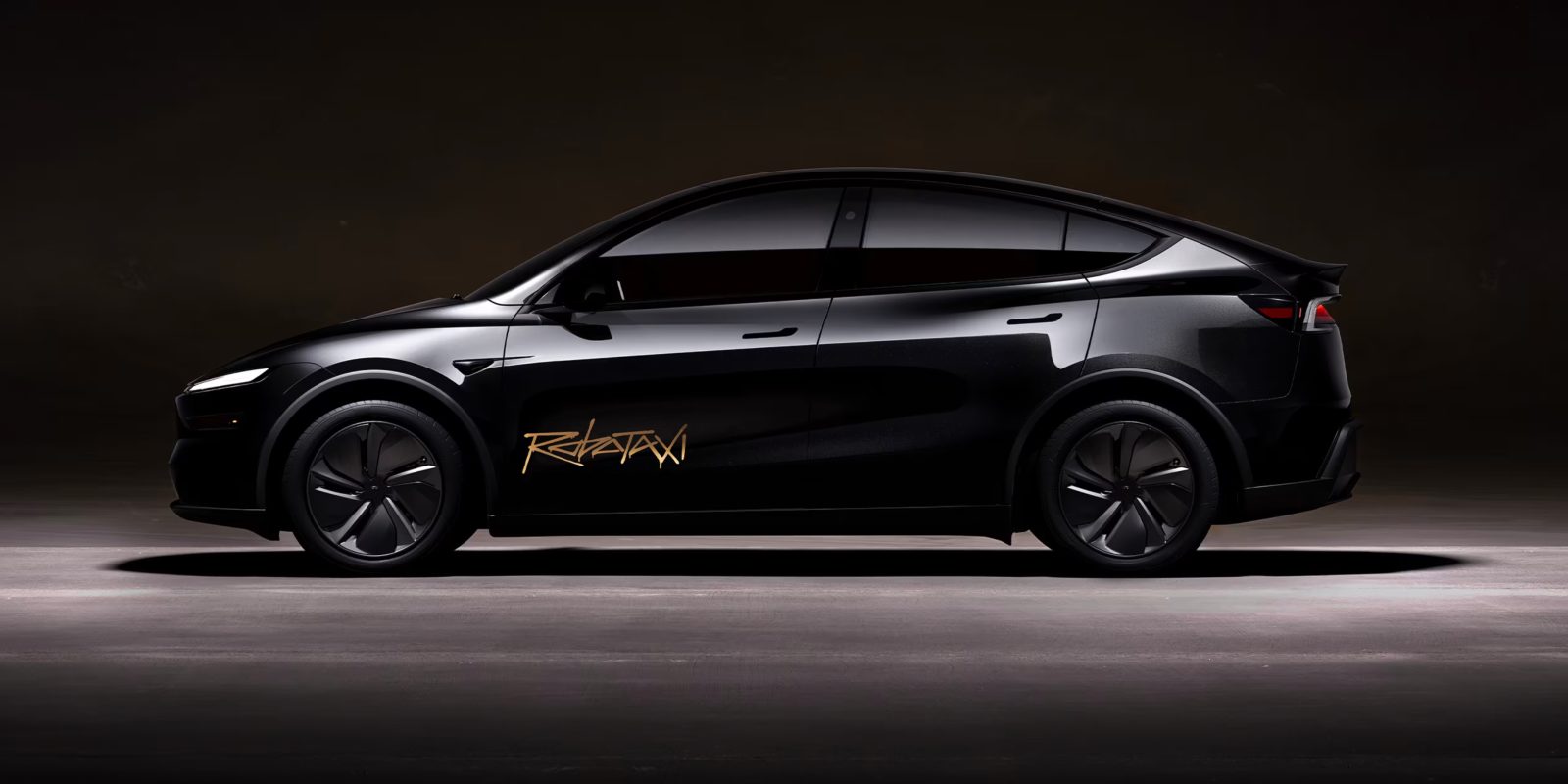
Tesla announced on May 23, 2024, that its Robotaxi fleet has accumulated a total of 1 million miles driven without any human driver supervising the vehicle. This milestone represents a significant doubling of unsupervised mileage in just the past six weeks, indicating a rapid acceleration in the development and deployment of Tesla's autonomous driving technology. The company is actively transitioning away from the use of human "safety drivers," a crucial step in validating the full autonomy of its Robotaxi service. This achievement underscores Tesla's ongoing commitment to advancing its Full Self-Driving (FSD) capabilities and bringing its vision of autonomous ride-hailing closer to reality.
The accumulation of 1 million unsupervised miles is a key performance indicator for autonomous vehicle systems, demonstrating their ability to navigate complex real-world driving scenarios without human intervention. For Tesla, this data is vital for refining its AI algorithms, improving its sensor fusion, and enhancing the overall safety and reliability of its autonomous driving stack. The company's approach to autonomous driving relies heavily on a vision-based system, augmented by radar and ultrasonic sensors, which processes vast amounts of data to make driving decisions. The continuous collection of real-world driving data, especially unsupervised miles, allows the system to learn from an ever-expanding range of situations, including unexpected events and diverse road conditions.
This development places Tesla at the forefront of the autonomous vehicle race, competing with other major players like Waymo (an Alphabet company), Cruise (a subsidiary of General Motors), and various other startups and established automakers. While Waymo has been operating a commercial robotaxi service in Phoenix and San Francisco for several years, Tesla's announcement focuses on the unsupervised mileage metric, suggesting a different, potentially faster, path to widespread deployment. The shift away from safety drivers is particularly noteworthy, as it implies a growing confidence in the system's ability to handle driving tasks safely and effectively, a critical hurdle for regulatory approval and public acceptance.
The implications of achieving 1 million unsupervised miles are substantial for Tesla's future business model. A fully autonomous Robotaxi service could unlock significant revenue streams through ride-hailing, delivery services, and potentially licensing its technology to other manufacturers. The company has consistently emphasized its long-term goal of creating a robotaxi network, and this latest milestone serves as tangible evidence of progress. The data gathered from these unsupervised miles will be instrumental in further training and validating the AI models that power the Robotaxi, aiming to achieve a level of safety and performance that surpasses human drivers. The rapid increase in mileage suggests that Tesla's FSD software is becoming increasingly capable, enabling the vehicles to operate more autonomously and for longer durations without requiring human oversight.
Original source — read the full reporting at the publisher:
Read on ElectrekGet the weekly AI digest
AI news + new model releases, weekly. Drafted by our agents, reviewed by humans.