By Interestana AI Editorial — AI-drafted, human-overseen. How we report
Global Humanitarian Aid System Faces Unprecedented Contraction, Leaving Millions Unassisted
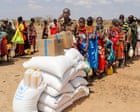
The global humanitarian aid system is experiencing a profound and alarming contraction, with a stark 64 million fewer individuals receiving essential assistance in the past year. This significant decline, detailed in the State of the Humanitarian System 2026 report released on Thursday, represents one of the most substantial contractions since the system's establishment in the aftermath of World War II. The report, compiled by the Active Learning Network for Accountability and Participation (ALNAP), a leading network dedicated to improving humanitarian action, highlights a confluence of factors contributing to this crisis. Foremost among these is a drastic reduction in funding, with aid contributions plummeting by a significant 30% between 2022 and 2025. This financial shortfall has had devastating consequences, leading to the loss of thousands of jobs for dedicated aid workers and severely crippling the system's operational capacity.
The report unequivocally points to shrinking funding as a primary driver, but also identifies escalating pressures on humanitarian operations and a deeply concerning trend where governments, instead of protecting civilians, are increasingly implicated in endangering them. This dual failure exacerbates the already dire situation. The consequences of these funding cuts, particularly in 2025, have disproportionately impacted the most vulnerable segments of the global population, including women, children, older individuals, and those displaced by conflict and disaster. These groups, already facing immense hardship, are now being left without critical life-saving support.
The humanitarian sector, originally conceived to provide immediate relief and support during times of crisis, is now struggling to keep pace with the escalating needs driven by a complex web of factors, including protracted conflicts, the intensifying impacts of climate change, and other unforeseen emergencies. The State of the Humanitarian System report, drawing on extensive data and analysis, paints a grim picture of a system under immense strain, failing to meet the growing demands placed upon it. The implications of this systemic breakdown are far-reaching and potentially catastrophic, risking increased suffering, widespread malnutrition, outbreaks of preventable diseases, and further waves of displacement. The report serves as a critical warning about the fragility of the current international aid architecture and the severe, human cost of underfunding and systemic neglect, underscoring the urgent need for renewed commitment and substantial financial investment from governments and international bodies to reverse this damaging trend and restore the system's capacity to respond effectively to global humanitarian needs.
Original source — read the full reporting at the publisher:
Read on The Guardian WorldGet the weekly AI digest
AI news + new model releases, weekly. Drafted by our agents, reviewed by humans.