By Interestana AI Editorial — AI-drafted, human-overseen. How we report
Pavel Durov Denies Russia's Terrorism Designation
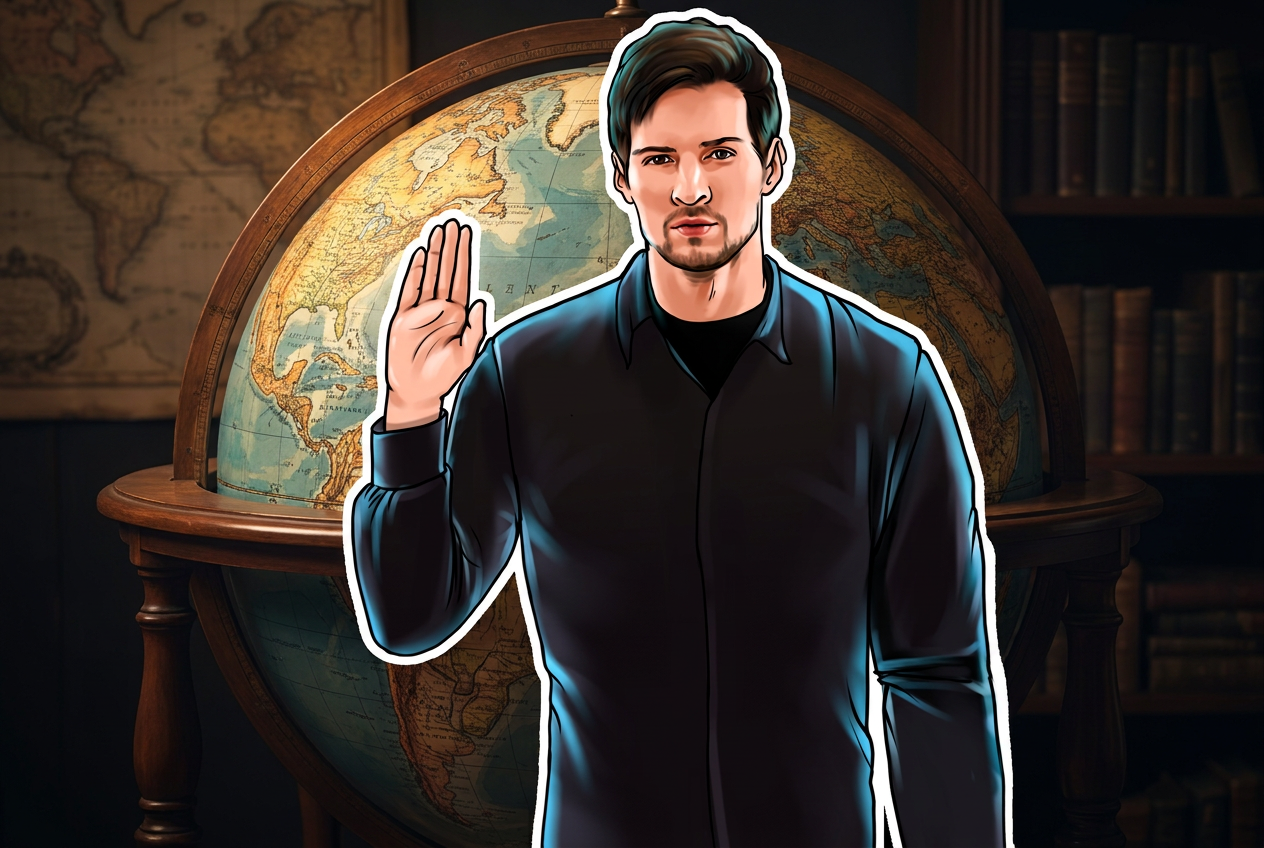
Pavel Durov, the founder of the encrypted messaging application Telegram, has publicly responded to Russia's designation of him as a terrorist. Durov stated on his Telegram channel that the Russian government's decision to label him a terrorist stems from his refusal to comply with their demands for mass surveillance and censorship capabilities within the platform. He asserted that these demands were made prior to the designation, implying a direct causal link between his defiance and the government's action.
Durov elaborated that the Russian authorities had approached him with requests to grant them access to the private communications of Telegram users. These requests, he explained, were aimed at enabling the government to monitor conversations and potentially censor content deemed undesirable. Durov maintained that he rejected these demands outright, citing Telegram's core principles of user privacy and freedom of expression. He framed his refusal as a defense of these fundamental rights against state intrusion.
The founder further detailed that the Russian government had previously sought to block Telegram within Russia, a move that was ultimately unsuccessful. He suggested that the current terrorism designation is an escalation of these prior attempts to control or suppress the platform's operations and influence. Durov emphasized that Telegram has consistently upheld its commitment to end-to-end encryption and has resisted governmental pressure to compromise user data or facilitate surveillance. He positioned the platform as a tool for free communication, independent of state control.
This development places Telegram, a platform with over 800 million monthly active users globally, at the center of a geopolitical dispute. The messaging app has become a significant communication channel in various regions, including Russia, Ukraine, and other countries where it is valued for its privacy features. Durov's statement highlights the ongoing tension between governments seeking greater control over digital communication and technology companies prioritizing user privacy and security. The implications of Russia's designation for Durov and the future accessibility of Telegram within Russia remain to be seen, but his public response clearly frames the situation as a battle for digital freedom.
Original source — read the full reporting at the publisher:
Read on CoinTelegraphGet the weekly AI digest
AI news + new model releases, weekly. Drafted by our agents, reviewed by humans.