By Interestana AI Editorial — AI-drafted, human-overseen. How we report
Iran Faces Isolation Amid New Regional Pact
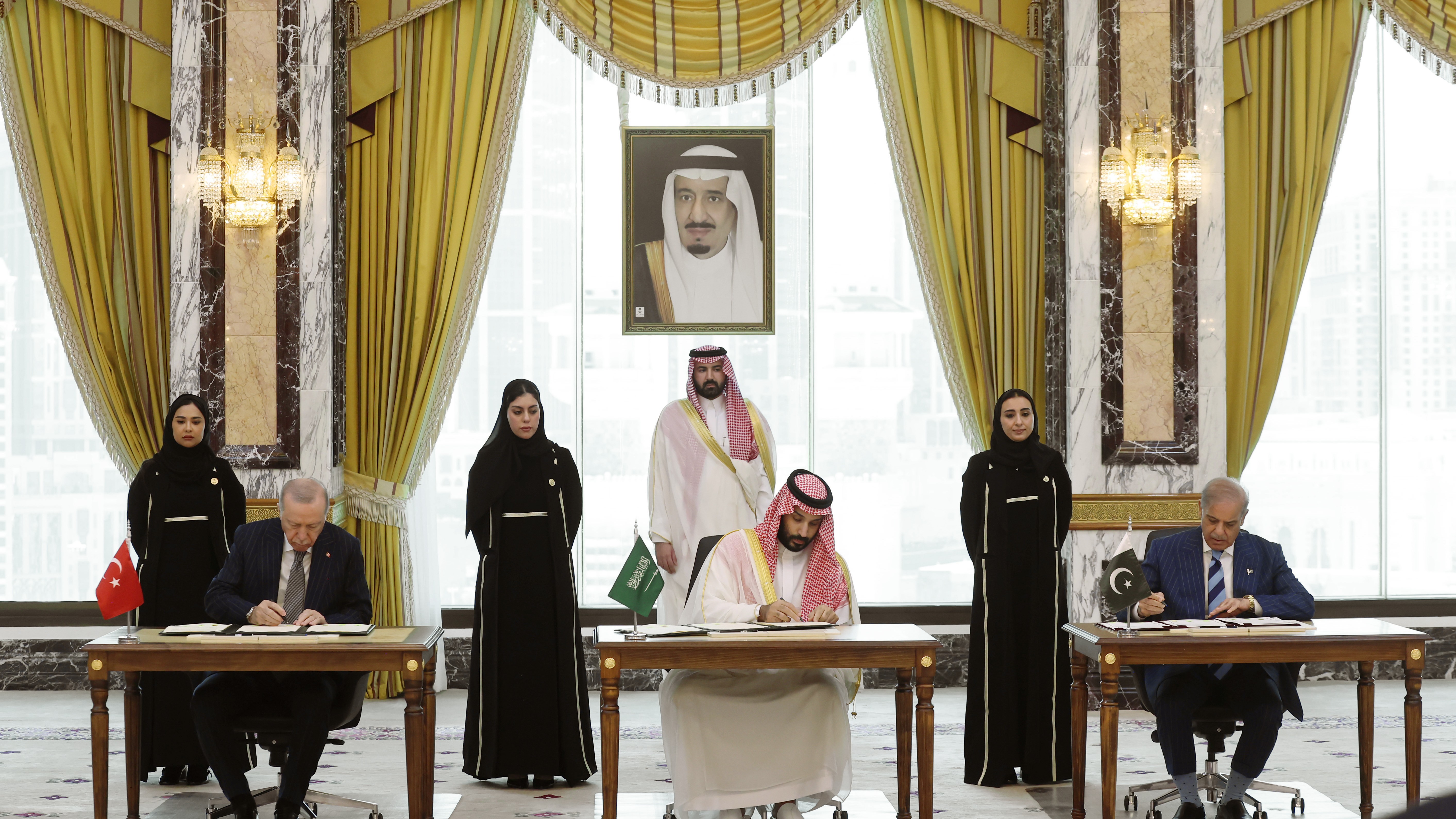
Iran finds itself increasingly isolated on the regional stage, a situation underscored by the recent formation of a new security pact involving several of its rivals. This development highlights a significant shift in regional dynamics, potentially diminishing Iran's influence and complicating its foreign policy objectives. The pact, details of which are still emerging, is seen by analysts as a direct response to Iran's perceived destabilizing activities in the Middle East, including its support for proxy groups and its nuclear program. The participating nations, aiming to bolster their collective security, are seeking to create a united front against shared threats, with Iran being a primary concern.
This strategic alignment among Iran's neighbors and other regional powers signifies a growing consensus on the need to counter Iranian assertiveness. The pact's formation comes at a time when Iran is already grappling with severe economic sanctions imposed by the United States and international pressure regarding its ballistic missile program and regional interventions. The new security framework is expected to further constrain Iran's ability to maneuver diplomatically and militarily, potentially leading to increased economic pressure and a more unified international stance against its policies. The implications for regional stability are profound, as the pact could either de-escalate tensions by creating a deterrent or inadvertently provoke a more aggressive response from Tehran.
The formation of this pact is a clear indication that Iran's traditional diplomatic leverage is eroding. For years, Iran has sought to project power and influence through a network of alliances and proxies, but this new collective security arrangement directly challenges that strategy. The countries involved in the pact are likely to coordinate intelligence sharing, joint military exercises, and potentially even a unified approach to sanctions enforcement. This coordinated effort aims to present a formidable challenge to Iran's regional ambitions and could lead to a reassessment of its foreign policy by the Iranian leadership. The absence of Iran from such a significant regional security initiative further emphasizes its diplomatic isolation and the challenges it faces in rebuilding trust and partnerships.
The broader geopolitical context also plays a crucial role in understanding Iran's predicament. The ongoing global focus on other major conflicts and economic challenges might seem to overshadow the Middle East, but regional actors are actively shaping their own security architectures. The United States, while recalibrating its global presence, continues to play a significant role in supporting its allies in the region, and this new pact aligns with broader efforts to ensure stability and counter perceived threats. For Iran, the choice is stark: either adapt its foreign policy to de-escalate tensions and seek dialogue, or face continued isolation and mounting pressure from a more cohesive regional bloc. The success of this new pact will depend on the sustained commitment of its members and their ability to effectively address the complex security landscape of the Middle East.
Original source — read the full reporting at the publisher:
Read on The AtlanticGet the weekly AI digest
AI news + new model releases, weekly. Drafted by our agents, reviewed by humans.