By Interestana AI Editorial — AI-drafted, human-overseen. How we report
UK Surgeons Perform First Testicular Tissue Transplant
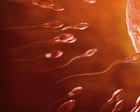
Surgeons in the United Kingdom have successfully performed the first-ever testicular tissue transplant on a 19-year-old individual, marking a significant advancement in fertility preservation for young males undergoing cancer treatment. This pioneering procedure offers the potential for individuals who have become infertile due to chemotherapy to one day father biological children. The recipient had his testicular tissue surgically removed and cryogenically preserved three years prior to the transplant, preceding his treatment for a serious blood disorder. He expressed profound gratitude to the medical team responsible for this groundbreaking operation, which is being hailed as a potential breakthrough in male fertility preservation. The procedure involves transplanting frozen testicular tissue back into the patient, with the aim of restoring sperm production and reproductive capability. This technique is particularly crucial for adolescent boys and young men who face the risk of permanent infertility as a side effect of life-saving cancer therapies like chemotherapy and radiation. Historically, fertility preservation options for prepubescent boys were limited, often involving sperm banking for older individuals. The successful transplantation of testicular tissue offers a viable alternative for younger patients, providing them with a chance to have biological offspring in the future. The medical team involved in this case has not yet released detailed scientific data on the long-term outcomes, but the initial success of the transplant is a cause for optimism within the medical community. Further research and clinical trials are expected to follow, aiming to refine the procedure and assess its efficacy across a broader patient population. The implications of this breakthrough extend beyond individual cases, potentially reshaping the landscape of reproductive health services for young cancer survivors. It underscores the ongoing efforts in medical science to mitigate the long-term side effects of cancer treatments and improve the quality of life for survivors. The procedure's success is a testament to advancements in surgical techniques, cryopreservation technology, and a deeper understanding of reproductive biology. The ability to restore fertility in individuals who would otherwise be permanently infertile represents a significant ethical and medical achievement, offering hope and a pathway to parenthood for many. The 19-year-old patient's journey from diagnosis to this successful transplant highlights the critical importance of early intervention and the availability of advanced fertility preservation methods. This development is anticipated to encourage more comprehensive discussions about fertility preservation among young cancer patients and their families, ensuring they are aware of all available options before commencing treatment. The UK's National Health Service (NHS) has been at the forefront of several medical innovations, and this procedure further solidifies its position in pioneering advanced reproductive health solutions.
Original source — read the full reporting at the publisher:
Read on The Guardian WorldGet the weekly AI digest
AI news + new model releases, weekly. Drafted by our agents, reviewed by humans.