By Interestana AI Editorial — AI-drafted, human-overseen. How we report
AI Redesigns Gene-Editing Proteins for Enhanced Safety
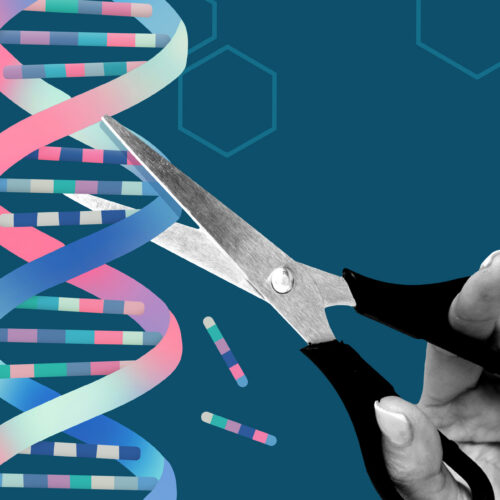
Researchers have leveraged DeepMind's AlphaFold AI to enhance the safety of gene-editing proteins by redesigning them to minimize off-target effects. This advancement addresses a critical challenge in gene-editing therapies, where unintended edits to the wrong DNA sequences can occur due to similarities in the vast human genome. While gene-editing systems have become more specific, the sheer size of the genome means even rare off-target edits can become problematic when a large number of cells are treated.
The team focused on identifying specific regions within gene-editing proteins that are responsible for these off-target effects. By employing AlphaFold, a powerful AI tool originally developed for predicting protein structures, they were able to analyze these key areas. The insights gained from AlphaFold's analysis allowed the researchers to modify these problematic regions within the gene-editing proteins.
This redesign process aims to reduce the likelihood of the gene-editing machinery binding to and altering unintended DNA sequences. The findings were published in a recent issue of the scientific journal Nature. The development represents a significant step forward in making gene-editing technologies safer and more reliable for therapeutic applications, potentially paving the way for broader adoption of these revolutionary treatments.
Original source — read the full reporting at the publisher:
Read on Ars TechnicaGet the weekly AI digest
AI news + new model releases, weekly. Drafted by our agents, reviewed by humans.