By Interestana AI Editorial — AI-drafted, human-overseen. How we report
Taylor Swift Songs Removed From Trump and White House Social Media
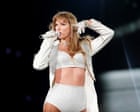
Taylor Swift's songs have been removed from videos posted on social media by Donald Trump's campaign and the White House, effectively silencing attempts to leverage her music for political commentary. This action follows a pattern where the Trump campaign and associated accounts have utilized Swift's popular songs in their online content. For instance, a video shared on August 3rd on TikTok, featuring the then-US President and First Lady Melania Trump observing fireworks, was initially accompanied by Swift's song "August." The removal of these musical elements suggests a response to the political implications or potential backlash associated with using Swift's music in such contexts. The Trump campaign has previously engaged in what has been described as "rage-baiting" efforts, which may have included attempts to associate Swift's "Red" album with Republican messaging. The specific instances of song removal indicate a deliberate effort to curate the content being shared by these official accounts. The White House, under the Trump administration, also saw instances of Swift's music being used in official or campaign-related social media content. The removal of these songs from platforms like TikTok signifies a shift in strategy, potentially driven by concerns over copyright, unauthorized use, or the broader public perception of such political endorsements or criticisms. This development highlights the increasing intersection of popular culture, music, and political campaigning in the digital age, and the careful consideration that political entities must give to the use of widely recognized cultural assets. The specific date of the "August" song's appearance in the TikTok video was August 3rd, and the subsequent removal indicates a rapid response to the content. The broader context involves the ongoing use of social media by political figures and campaigns to reach voters and shape public opinion, with music often serving as an emotional amplifier or a tool for creating viral content. The decision to remove Swift's music suggests a recognition of the potential for controversy or misinterpretation when popular artists' work is co-opted for political purposes, especially given Swift's own public stances and influence. The exact timeline for when the songs were removed after their initial posting has not been specified, but the action itself points to a proactive measure by the campaign and White House to control their online narrative and avoid further entanglement with the pop star's public image. This also underscores the power of artists and their intellectual property in the digital sphere, where unauthorized use can lead to swift consequences.
Original source — read the full reporting at the publisher:
Read on The Guardian WorldGet the weekly AI digest
AI news + new model releases, weekly. Drafted by our agents, reviewed by humans.