By Interestana AI Editorial — AI-drafted, human-overseen. How we report
Referee Anthony Taylor Steps Away From Officiating
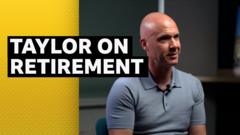
Referee Anthony Taylor has stepped away from officiating, explaining his decision in an interview with BBC sports editor Dan Roan. Taylor, a prominent figure in football officiating, detailed the intense scrutiny he has faced throughout his career and how it has impacted his personal life and professional performance. He specifically highlighted the introduction and ongoing evolution of Video Assistant Referee (VAR) technology as a significant factor contributing to the increased pressure and criticism directed at referees. Taylor's departure marks a notable moment in the sport, prompting discussions about the well-being of match officials and the challenges posed by modern football's technological advancements and heightened media attention. The interview provided a rare insight into the mindset of a top-level referee navigating a role that has become increasingly demanding. Taylor's decision to step back is not a permanent retirement from football but a temporary hiatus from active refereeing duties, allowing him to reassess his position and potentially return to the field in a different capacity or after a period of reflection. The BBC report did not specify a return date or any potential new roles Taylor might consider. The context of his decision is set against a backdrop of ongoing debates within football regarding refereeing standards, the effectiveness and implementation of VAR, and the psychological toll these factors take on officials. Taylor's candidness is expected to fuel further conversations among football authorities, players, coaches, and fans about how to better support referees and ensure the integrity and fairness of the game. His career has spanned numerous high-profile matches, including Premier League fixtures and international competitions, making his perspective particularly valuable. The interview aimed to shed light on the personal cost of officiating at the highest level, where every decision is dissected and often met with public outcry. Taylor's explanation suggests a need for greater empathy and understanding towards referees, who are tasked with making split-second judgments under immense pressure. The BBC's coverage of this story underscores the significant public interest in the inner workings of football officiating and the personal experiences of those involved. The implications of Taylor's temporary withdrawal extend beyond his individual career, potentially influencing discussions about referee welfare policies and training programs across various football leagues. The report did not name other referees who might be experiencing similar pressures, but Taylor's willingness to speak out could encourage others to share their experiences. The specific details of the scrutiny Taylor faced were not fully elaborated upon in the initial report, but the implication is that it reached a level that necessitated this step away from the game. The interview with Dan Roan, a seasoned sports journalist, suggests a thorough and in-depth exploration of Taylor's motivations and feelings regarding his officiating career and its recent challenges. The broader football community will likely be observing the outcomes of this discussion and any potential changes it might inspire within the sport's governance and support structures for referees.
Original source — read the full reporting at the publisher:
Read on BBC SportGet the weekly AI digest
AI news + new model releases, weekly. Drafted by our agents, reviewed by humans.