By Interestana AI Editorial — AI-drafted, human-overseen. How we report
Trump Ads Funded by Taxpayers Criticized as Propaganda
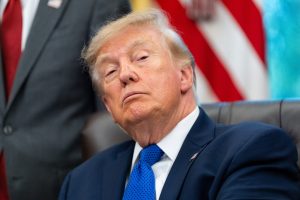
The White House is defending three taxpayer-funded advertisements that promote President Donald Trump, with public spending projected to reach at least $1.5 million. White House communications director Steven Cheung described the ads on X as "epic Public Service Announcements," drawing parallels to similar initiatives in past administrations. However, the ads have drawn significant criticism, including from members of Trump's own Republican party. Senate Majority Leader John Thune stated that the ads "shouldn't be paid for with taxpayer dollars" and indicated he would not have authorized such spending, even though the White House is not subject to the same guidance as Congress. Senator Mike Rounds echoed these sentiments, expressing that it was "not something that I would have done."
Multiple legal experts, consulted by The Associated Press, have suggested that the advertisements may contravene federal statutes. These laws include prohibitions against using congressionally appropriated funds for "publicity or propaganda" and limitations on the partisan political activities of government employees. The experts differentiate these new ads, which are airing on network, cable, and streaming platforms, from typical public service announcements (PSAs) because they do not appear to be designed to inform Americans about specific government programs or services. Richard Painter, a former White House ethics czar under President George W. Bush, characterized the ads as "sheer propaganda" and stated, "This is increasingly looking like what authoritarian governments do to promote their leaders." The ads are being aired during popular programming, including college football and National Football League games, as the Trump administration increases its spending on this campaign. The specific government agency providing the funds remains undisclosed.
The ads themselves reportedly feature content that glorifies President Trump. While the White House maintains they are legitimate PSAs, the legal and ethical concerns stem from their perceived partisan nature and the use of public funds for what critics argue is political promotion rather than public information. The debate highlights the ongoing tension between government communication efforts and the prohibition of using taxpayer money for political propaganda. The criticism from both legal scholars and political figures underscores the sensitivity surrounding the use of public resources for political messaging, particularly in the lead-up to elections. The lack of clarity on the funding source further fuels concerns about transparency and accountability in government spending. The ads' content and distribution strategy are central to the ongoing controversy, with opponents arguing they blur the lines between public service and political campaigning.
Original source — read the full reporting at the publisher:
Read on FortuneGet the weekly AI digest
AI news + new model releases, weekly. Drafted by our agents, reviewed by humans.