Tankers Navigate Hormuz Amidst Heightened Tensions
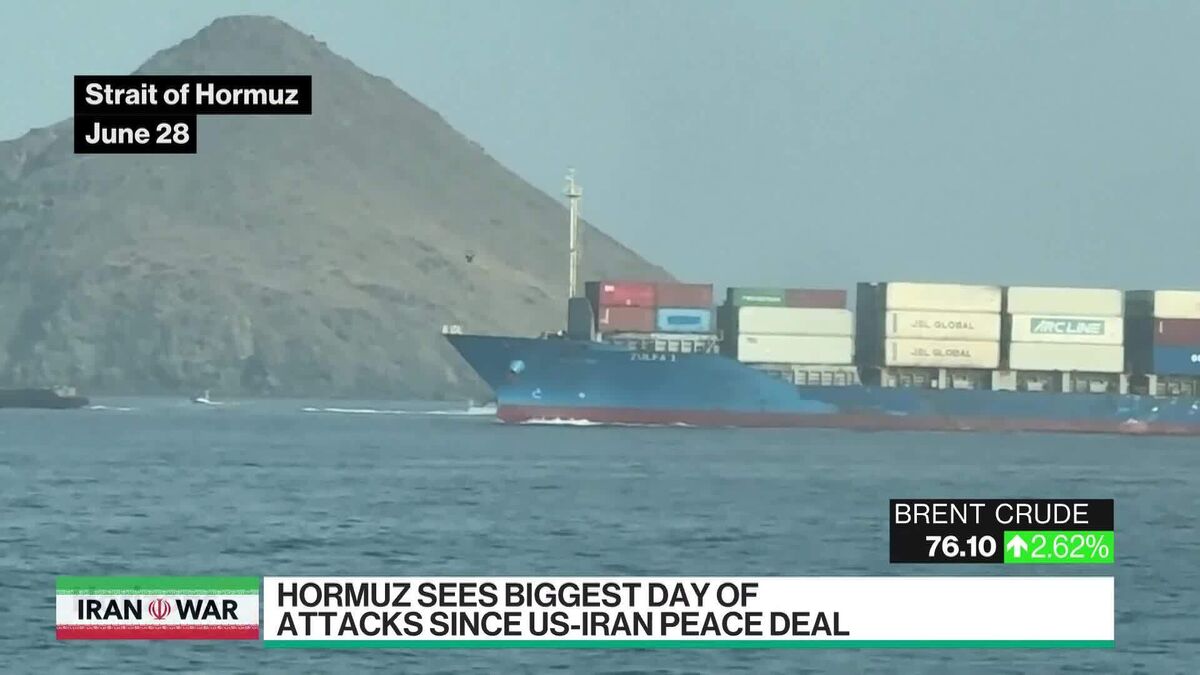
A reduced number of oil tankers transited the Strait of Hormuz early on Wednesday, indicating a cautious approach by shipping companies following recent maritime strikes. The Strait of Hormuz remains a critical chokepoint for global oil supply, with approximately 20% of global oil consumption passing through it annually. The recent incidents have amplified concerns among ship owners regarding the safety and security of operations in the region.
Factors influencing the decision-making of tanker owners include the perceived escalation of geopolitical tensions and the potential for further disruptions. Bloomberg's analysis highlights that while some vessels are proceeding with transit, the overall volume is significantly lower than typical daily averages. This cautious stance reflects the industry's sensitivity to security threats and the economic implications of any prolonged blockade or increased transit risks.
Ship owners are closely monitoring the situation, weighing the costs and benefits of continuing operations against the potential for damage or loss of cargo. The current trickle of tankers suggests a strategy of risk mitigation, with companies likely opting for slower transit times or increased security measures. The long-term impact on oil prices and supply chains will depend on the duration and intensity of these heightened tensions and the effectiveness of any diplomatic or military responses. The situation underscores the fragility of global energy security when transit routes are threatened.
Original source — read the full reporting at the publisher:
Read on Bloomberg Markets