By Interestana AI Editorial — AI-drafted, human-overseen. How we report
Sylvester Stallone Reveals Bulimia and Steroid Use During 'Rocky III' Era in New Memoir Promotion
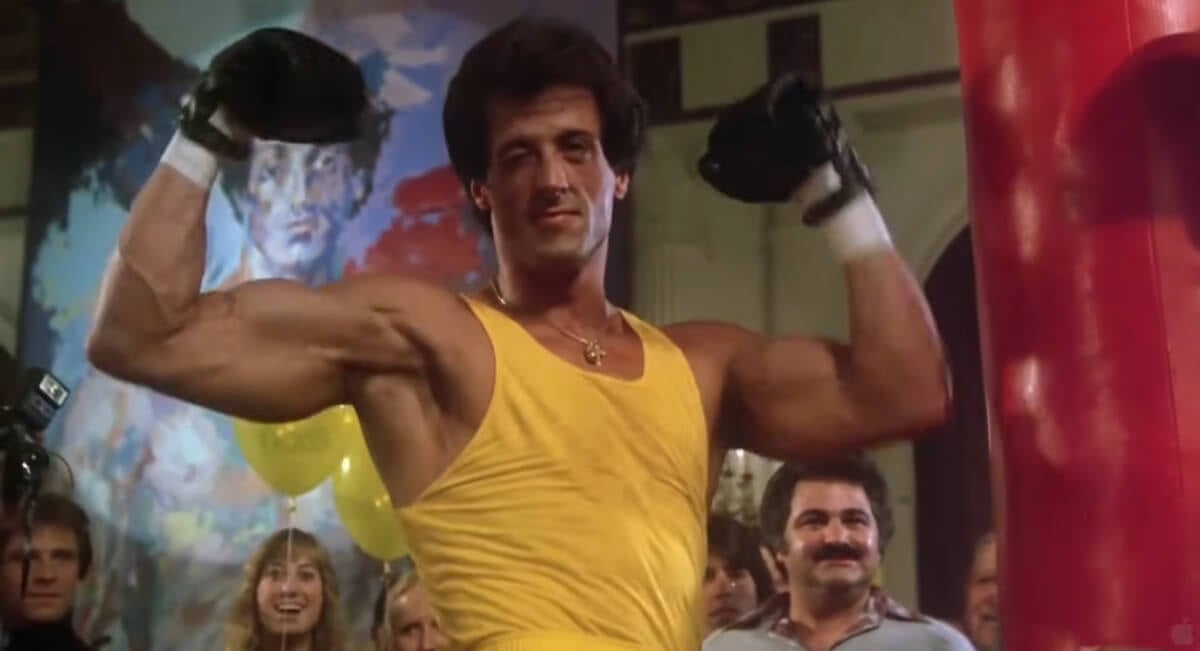
Sylvester Stallone, the iconic actor and filmmaker known for his muscular physique and action-hero roles, has revealed a significant and previously undisclosed struggle with bulimia during the height of his "obsessive body worship" period, particularly around the filming of the 1982 blockbuster "Rocky III." This candid admission comes as Stallone prepares to release his new memoir, "The Steps," a title that directly references the famous Philadelphia Museum of Art steps, a pivotal location in his career-defining film "Rocky." In a revealing interview with The New York Times, Stallone dismantled aspects of his carefully crafted Hollywood persona, detailing the extreme lengths he went to achieve a physique of a mere 2.6 percent body fat for "Rocky III." He described this phase as "really bad" and an "obsession," admitting, "I couldn’t hold anything down. Or I didn’t want to keep it down because I became so obsessed with staying at that point of fitness, literally an obsessive body-worship kind of thing." This level of physical extremity and the associated psychological toll underscore the immense pressure Stallone placed upon himself to embody the iconic boxer, Rocky Balboa, and later, John Rambo.
Beyond his struggles with disordered eating, Stallone also spoke with unprecedented frankness about his past steroid use. He acknowledged that achieving such extreme muscularity is not possible naturally, stating unequivocally, "nobody does it without additives and drugs, period." Stallone elaborated on his approach, describing it as "sensitive," involving cycles of six weeks on and six weeks off. However, he was quick to point out the severe consequences, noting that the practice "took a terrible toll." This toll is further evidenced by the "double-digit number" of surgeries he has undergone on his back and neck, procedures he characterized as "masochistic." It was only when he took on the role of the "weakest guy in the room" in the 1997 film "Cop Land" that Stallone began to experience a sense of liberation from the relentless pressure of maintaining a hyper-masculine, physically imposing image. This marked a significant turning point, allowing him to explore more vulnerable characterizations.
Stallone's interview also touched upon other facets of his public image. He reflected on his "jingoistic" stances on war, particularly evident in the "Rambo" sequels that followed the original "First Blood." He characterized these portrayals as "just bravado, bravado, bravado," admitting that "flexing your muscles is a lot easier than showing your soul. And it was terrible. It was like a cartoon." Furthermore, Stallone sought to clarify his political leanings, noting that he is not the conservative figure he has sometimes been perceived to be. The memoir, "The Steps," promises to delve deeper into these personal revelations and the complex journey of a Hollywood icon who is now confronting his past with remarkable honesty.
Original source — read the full reporting at the publisher:
Read on The A.V. ClubGet the weekly AI digest
AI news + new model releases, weekly. Drafted by our agents, reviewed by humans.