By Interestana AI Editorial — AI-drafted, human-overseen. How we report
Swedish Centre-Left Widens Election Lead to Three Seats
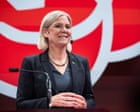
Sweden's centre-left opposition, spearheaded by the Social Democrats, has solidified its advantage in the general election, securing a lead of three seats with 95% of the votes officially tallied. This outcome positions the bloc, which includes parties like the Centre Party and the Left Party, for a potential return to power after years in opposition. The incumbent centre-right coalition, led by Prime Minister Ulf Kristersson of the Moderate Party, faces a significant challenge to retain its mandate. While the final results are still being processed, the current projections indicate a shift in the political landscape. The parliament is not scheduled to convene until late September, at which point a new speaker will be elected, followed by the selection of a prime minister. Prime Minister Kristersson acknowledged the ongoing vote count, stating his intention to "take it pretty easy" until the final results are confirmed. He indicated that some discussions are planned in the interim, including meetings with fellow coalition leaders on the evening of the announcement, but emphasized the importance of awaiting the definitive outcome. The Social Democrats, under the leadership of Magdalena Andersson, have consistently polled strongly throughout the election campaign, focusing on issues such as healthcare, education, and climate change. Their proposed policies aim to address perceived shortcomings in the current government's approach to public services and environmental sustainability. The election has been characterized by a close contest between the two main blocs, reflecting a divided electorate on key policy directions. The final seat allocation will determine the composition of the next government and its legislative agenda for the coming parliamentary term. International observers are closely monitoring the results, given Sweden's role in European affairs and its commitment to multilateralism and progressive policies. The outcome will likely influence Sweden's approach to foreign policy, defense, and its engagement with international bodies. The extended vote counting period, common in Sweden due to its robust electoral system, allows for meticulous verification of each ballot, ensuring the integrity of the democratic process. The preliminary results suggest a complex parliamentary arithmetic, potentially leading to coalition negotiations to form a stable government. The Social Democrats, as the largest party in the opposition bloc, are expected to play a central role in any potential government formation. The election results will be a key indicator of public sentiment regarding the current economic climate and the government's handling of domestic issues. The final tally is anticipated to provide a clearer picture of the mandate given to each political bloc by the Swedish electorate.
Original source — read the full reporting at the publisher:
Read on The Guardian WorldGet the weekly AI digest
AI news + new model releases, weekly. Drafted by our agents, reviewed by humans.