By Interestana AI Editorial — AI-drafted, human-overseen. How we report
Sweden Election: Close Race Between Left and Right Blocs
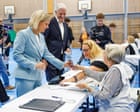
Sweden held its general election on September 13, 2026, with final polling indicating an extremely close contest between the left-wing and right-wing political blocs. The latest surveys revealed a mere 0.3-point difference separating the two major alliances, underscoring the tight race for parliamentary control. This narrow margin suggests that the outcome could hinge on a small number of votes, making the election particularly significant for the country's political future.
Nicholas Aylott, a senior lecturer at Södertörn University in Stockholm, provided commentary to help contextualize the election's key aspects. His analysis focused on the dynamics within the Swedish political landscape and the potential implications of the results. The election's closeness has amplified attention on the Sweden Democrats, a far-right party that has seen a significant rise in support in recent years. Their potential role in forming a government has become a central point of discussion and concern for many observers.
The election is crucial as it determines the composition of the Riksdag, Sweden's national legislature, and consequently, the formation of the next government. The Social Democrats, led by Magdalena Andersson, represent a key component of the left-wing bloc, advocating for traditional social democratic policies. On the right, the Moderate Party, led by Ulf Kristersson, is a major force, often seeking to form coalitions with other center-right and right-wing parties. The Sweden Democrats, positioning themselves as a nationalist and anti-immigration party, have increasingly influenced the political discourse and electoral outcomes.
The potential for the Sweden Democrats to gain a significant position in a new government has raised questions about Sweden's future policy direction, particularly concerning immigration, social welfare, and foreign relations. Historically, Sweden has been known for its liberal social policies and a strong commitment to international cooperation. The rise of a far-right party with different priorities could signal a shift in these established norms. The narrow margin in the polls suggests that coalition negotiations, should they be required, could be complex and protracted, with the Sweden Democrats potentially holding considerable leverage in forming a majority government.
Original source — read the full reporting at the publisher:
Read on The Guardian WorldGet the weekly AI digest
AI news + new model releases, weekly. Drafted by our agents, reviewed by humans.