Tick-Linked Meat Allergy Antibody Found in 30% of Some US Populations
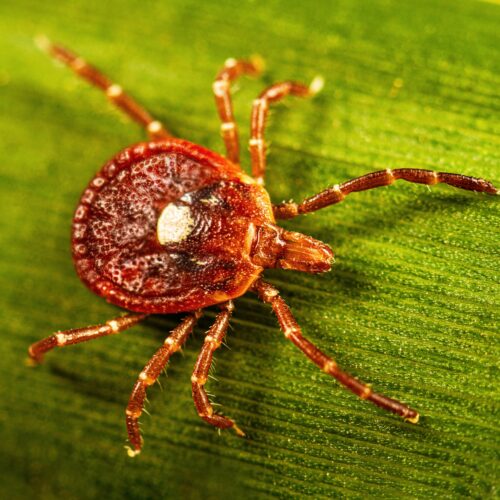
Up to 30 percent of individuals in certain regions of the United States may possess the antibody associated with a red meat allergy triggered by tick bites, a figure significantly higher than the number of diagnosed cases. This discovery, detailed in a study published in the Morbidity and Mortality Weekly Report, suggests a broader population may be at risk for this potentially severe allergy. The Centers for Disease Control and Prevention previously estimated that only 0.14 percent of the U.S. population, approximately 450,000 people, suffer from this allergy.
The research focused on identifying the key antibody, an IgE, which targets a specific double-sugar molecule known as galactose-α-1,3-galactose, or alpha-gal. This disaccharide is present on the cells of non-primate mammals like cows and pigs. Notably, alpha-gal is also released into the saliva of ticks, particularly the lone star tick (Amblyomma americanum).
When individuals are bitten by these ticks, their immune systems can develop IgE antibodies against alpha-gal. In some cases, this can lead to an allergic reaction upon consumption of red meat and other animal-derived products, including dairy and gelatin. The study underscores the limited understanding of this peculiar disease and the difficulties in achieving accurate diagnoses, as the presence of the antibody does not always correlate with a clinical allergy.
Original source — read the full reporting at the publisher:
Read on Ars Technica