By Interestana AI Editorial — AI-drafted, human-overseen. How we report
Supreme Court Rejects Trump's Mail Ballot Restrictions
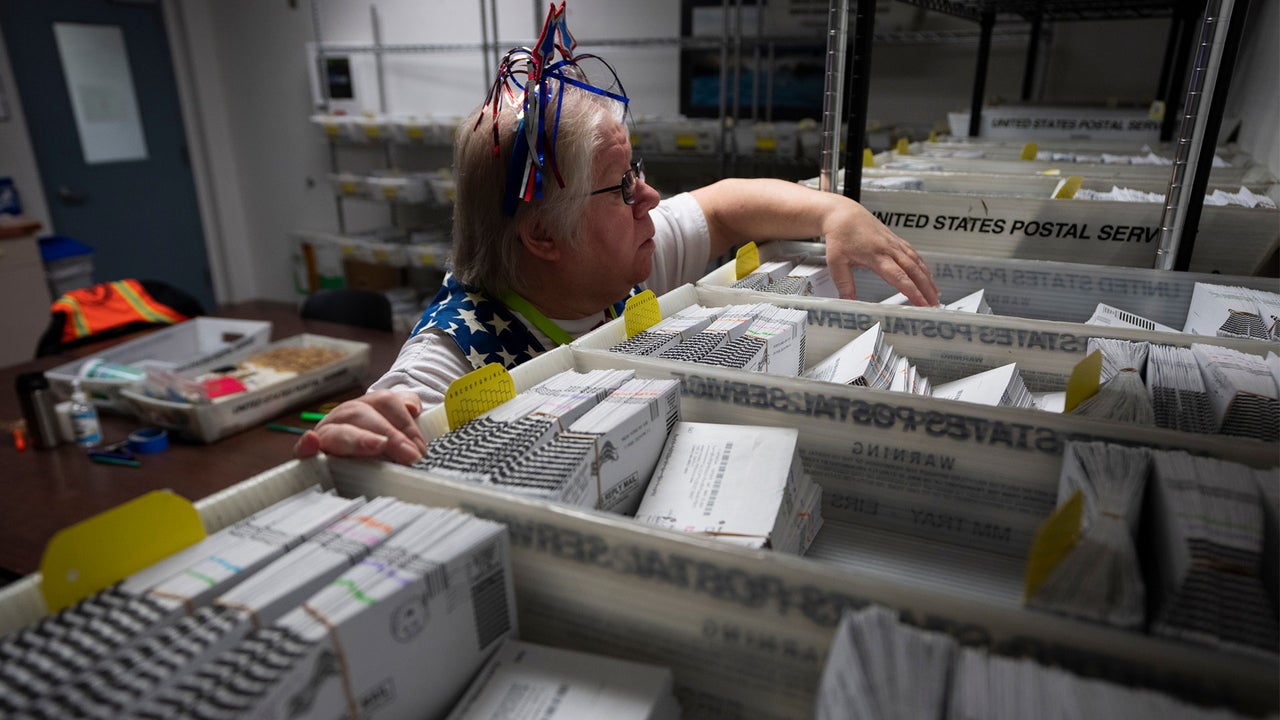
The Supreme Court on Monday rejected President Donald Trump's bid to restrict mail ballots for the midterm elections, concluding a period of intense last-minute legal challenges as voting had already commenced. This decision permits states to maintain their existing mail ballot procedures, which have been in place for years and have historically accounted for approximately one-third of all votes cast in elections. The ruling signifies a significant setback for President Trump, who had consistently highlighted this issue as crucial for election integrity, despite a general lack of evidence supporting widespread fraud associated with mail ballots. The majority opinion from the Supreme Court indicated that the administration's attempt to implement these restrictions in the current year was unlikely to succeed in court, although the emergency order did not provide detailed reasoning. Justices Samuel Alito and Clarence Thomas publicly dissented from the majority decision. The Trump administration had urged the Supreme Court justices, who have found themselves at the center of ongoing political disputes, to authorize the implementation of these restrictions prior to the pivotal November contests for control of Congress. In his dissenting opinion, Justice Alito argued that the Postal Service possesses extensive authority to regulate mail delivery and likely has the power to enforce the restrictions proposed by President Trump. Justice Brett Kavanaugh, while concurring that the restrictions should not be enacted for the current midterm elections, suggested that he might rule in favor of the Trump administration if the matter were to be brought before the court at a future date. Mail ballots were already in the process of being sent to voters, and election officials had stated that a complete overhaul of the system in the weeks leading up to the midterms was logistically impossible. Specifically, states such as Alabama, North Carolina, and Wisconsin had already begun distributing mail ballots to voters while the proposed new system remained inactive. The Trump administration's plan would have mandated that states adopt a standardized envelope design and provide lists of eligible voters through an online portal. Under this proposal, the Postal Service would have had the authority to refuse ballot deliveries to states that failed to comply with these new requirements. The administration's efforts carried the potential to significantly alter the voting process in the critical upcoming elections.
Original source — read the full reporting at the publisher:
Read on Fast CompanyGet the weekly AI digest
AI news + new model releases, weekly. Drafted by our agents, reviewed by humans.