By Interestana AI Editorial — AI-drafted, human-overseen. How we report
Imran Khan Supporters March on Islamabad
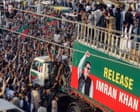
Supporters of former Pakistani Prime Minister Imran Khan have initiated a march towards Islamabad, aiming to secure his release from jail. The protest began on Sunday in Khyber Pakhtunkhwa, the stronghold province of the Pakistan Tehreek-e-Insaf (PTI) party, according to party leaders. This action follows government efforts to prevent the march, with authorities insisting that the demonstrators will not be allowed to reach the capital city. Imran Khan, who served as Prime Minister of Pakistan from August 2018 to April 2022, was arrested and subsequently imprisoned. The specific charges leading to his incarceration and the details of his detention have been a focal point for his supporters and the PTI party. The march represents a significant mobilization of his base, underscoring the political tensions within Pakistan. The government's stance, as communicated by authorities, indicates a firm resolve to maintain control over access to Islamabad and prevent the convergence of protesters. This situation highlights the ongoing political instability and the challenges faced by the current administration in managing public dissent and political opposition. The PTI party has been a prominent political force in Pakistan, and Imran Khan remains a popular figure, despite his removal from office and subsequent legal troubles. The march is expected to draw national and international attention to the political climate in Pakistan and the fate of its former leader. The government's strategy to halt the march involves various measures aimed at restricting movement and preventing the gathering of large crowds in the capital. The success of the march in reaching Islamabad and the government's response will be critical in shaping the immediate political landscape. The situation is being closely monitored by political analysts and observers who are assessing the potential ramifications for Pakistan's governance and democratic processes. The PTI party has consistently voiced concerns over the fairness of the legal proceedings against Imran Khan and has accused the government of political persecution. The march is seen as a direct challenge to the government's authority and its handling of political opposition. The outcome of this protest could have significant implications for the PTI's political future and Imran Khan's standing within Pakistani politics. The government's insistence on preventing the march suggests a concern about potential unrest or disruption in the capital. The details of the charges against Imran Khan, while not fully elaborated in the provided text, are central to the grievances of his supporters. The march is a clear demonstration of their commitment to advocating for his release and challenging the government's actions. The political dynamics in Pakistan are complex, with a history of political upheaval and military intervention influencing its trajectory. The current situation involving Imran Khan and his supporters adds another layer to this intricate political narrative. The PTI's ability to mobilize such a significant protest indicates a continued strong base of support, even after the former prime minister's ouster from power. The government's response will be crucial in determining whether the situation escalates or de-escalates. The international community often observes such political developments in Pakistan, given its strategic importance in the region. The march on Islamabad is a direct manifestation of the political polarization and the deep divisions that characterize Pakistan's current political environment. The government's efforts to contain the protest underscore the sensitivity of the situation and the potential for it to impact national stability.
Original source — read the full reporting at the publisher:
Read on The Guardian WorldGet the weekly AI digest
AI news + new model releases, weekly. Drafted by our agents, reviewed by humans.