Superworm Larvae Offer Safer Alternative for Museum Specimen Cleaning
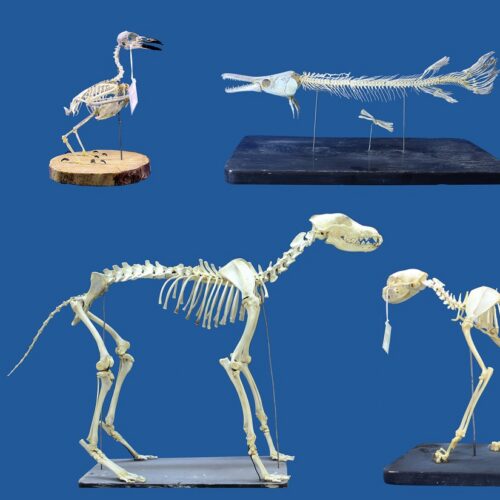
Superworm larvae (Zophobas morio) have emerged as a promising and practical solution for cleaning skeletal specimens in museums and for forensic studies, offering an alternative to existing methods that often carry risks of bone damage, high costs, or environmental hazards. This new approach, detailed in a paper published in the journal PLoS One, focuses on the larvae's ability to efficiently remove soft tissue without compromising the integrity of the bones.
Traditional methods for preparing skeletal remains include burial, digestive enzymes, and chemical treatments, each with significant drawbacks. While dermestid beetles have become a preferred method due to their efficiency in tissue removal, they pose a substantial risk of infestation. Without stringent containment, these beetles can escape, lay eggs, and threaten museum collections, a concern that led researchers to explore alternatives.
Fatemeh Rastekar of Ferdowsi University of Mashhad in Iran, along with co-authors Niloofar Alaei Kakhki and Morteza Monfared, investigated superworms for their potential to provide similar cleaning benefits to beetles but with a reduced risk of infestation. The research highlights that superworm cleaning primarily utilizes the larval stage, which lasts approximately 10–12 weeks, compared to the shorter five to seven-week period for beetles. Furthermore, superworm larvae do not pupate under crowded conditions, simplifying colony management and significantly lowering the risk of escape.
The study aims to determine if superworms can match the cleaning efficacy of dermestid beetles. The research suggests that the controlled larval stage and less complex pupation process of superworms make them a more manageable and safer option for institutions tasked with preserving and displaying delicate skeletal remains. This development could lead to improved practices in natural history and forensic science.
Original source — read the full reporting at the publisher:
Read on Ars Technica