By Interestana AI Editorial — AI-drafted, human-overseen. How we report
UN Warns of Record-Shattering El Niño
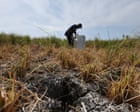
The United Nations has issued a stark warning that the El Niño climate phenomenon is "supersizing before our eyes," indicating it is likely to be the largest event of its kind in at least 1,000 years. This development is poised to exacerbate global warming trends, with forecasts suggesting it will shatter temperature records and contribute to 2027 becoming the hottest year ever recorded. The World Meteorological Organization (WMO), a specialized agency of the UN, has been closely monitoring the situation, with its Secretary-General, Celeste Saulo, previously highlighting the increasing intensity of such events. The current El Niño is expected to pile additional heat onto an atmosphere already experiencing rapid temperature increases due to anthropogenic climate change. This confluence of factors creates a significant risk of unprecedented global temperatures. The WMO's statements are based on the latest scientific forecasts and climate models, which indicate a high probability of record-breaking heat. The phenomenon's scale and potential impact underscore the urgency of addressing global warming. El Niño is a naturally occurring climate pattern characterized by the warming of the sea surface in the central and eastern tropical Pacific Ocean. It typically occurs every two to seven years and can last for nine to 12 months, though some events can persist for longer. Its influence extends far beyond the Pacific, affecting weather patterns, including temperature and precipitation, across the globe. These global impacts can lead to a range of consequences, such as increased frequency and intensity of heatwaves, droughts, floods, and storms, depending on the region. The current El Niño's projected magnitude suggests these impacts could be more severe than in previous occurrences. Scientists have been observing a significant increase in global average temperatures over the past century, a trend largely attributed to the emission of greenhouse gases from human activities. The Intergovernmental Panel on Climate Change (IPCC), the UN body responsible for assessing the science related to climate change, has consistently reported on the accelerating pace of warming and its associated risks. The WMO's latest assessment of El Niño's trajectory aligns with these broader scientific consensus on climate change. The potential for 2027 to surpass all previous temperature records is a critical indicator of the amplified warming trend. The organization emphasizes that while El Niño is a natural phenomenon, its interaction with human-induced global warming is leading to unprecedented climatic conditions. The implications of such extreme heat extend to ecosystems, agriculture, water resources, and human health, necessitating robust adaptation and mitigation strategies worldwide. The UN's alert serves as a critical call to action for governments and international bodies to strengthen their climate resilience measures and accelerate efforts to reduce greenhouse gas emissions.
Original source — read the full reporting at the publisher:
Read on The Guardian EnvironmentGet the weekly AI digest
AI news + new model releases, weekly. Drafted by our agents, reviewed by humans.