By Interestana AI Editorial — AI-drafted, human-overseen. How we report
Super El Niño May Cause Wet Winter, Flooding in Western US
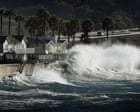
A "super" El Niño, characterized by sea surface temperatures at least 2 degrees Celsius above average, is predicted to intensify throughout the fall and winter, potentially persisting until early spring 2027. This recurring climate phenomenon, which involves changes in wind patterns allowing warmer water to spread across the central and eastern equatorial Pacific, is expected to bring a wet winter to parts of the western and southeastern United States. Climate models and forecasts from the US National Oceanic and Atmospheric Administration (NOAA) indicate an elevated risk of coastal flooding due to the anticipated heavy precipitation. El Niño events are a natural part of the Earth's climate system, occurring irregularly, typically every two to seven years, and can influence weather patterns globally for months. The strength of an El Niño is measured by the extent of the sea surface temperature anomalies in the Niño 3.4 region of the Pacific Ocean. A "super" El Niño, as is being forecast for this cycle, represents one of the most extreme variations and can have significant and widespread impacts on weather systems. The last super El Niño occurred in 2015-2016, which was associated with widespread drought in some regions and heavy rainfall in others, including significant flooding in California. The current forecast suggests a continuation of the trend observed in recent years, where stronger El Niño events have been linked to more extreme weather outcomes. The persistence of the phenomenon until early spring 2027 means that the effects could be felt throughout a significant portion of the typical winter season, impacting agricultural planning, water resource management, and infrastructure preparedness. Coastal communities, in particular, are being advised to prepare for potential inundation and increased erosion due to higher sea levels and more intense storm surges that often accompany such weather patterns. The NOAA's outlook is based on a combination of observational data and sophisticated climate modeling, which are continuously updated as the event evolves. The scientific community is closely monitoring the development and trajectory of this El Niño to refine predictions and provide timely warnings to affected regions. The potential for widespread flooding necessitates proactive measures from local and federal authorities to mitigate damage and ensure public safety. This includes reinforcing flood defenses, clearing drainage systems, and developing emergency response plans. The economic implications of such an event can be substantial, affecting industries ranging from agriculture and tourism to insurance and disaster relief.
Original source — read the full reporting at the publisher:
Read on The Guardian WorldGet the weekly AI digest
AI news + new model releases, weekly. Drafted by our agents, reviewed by humans.