By Interestana AI Editorial — AI-drafted, human-overseen. How we report
Trump Administration Revives 1979-Style Communist Fears
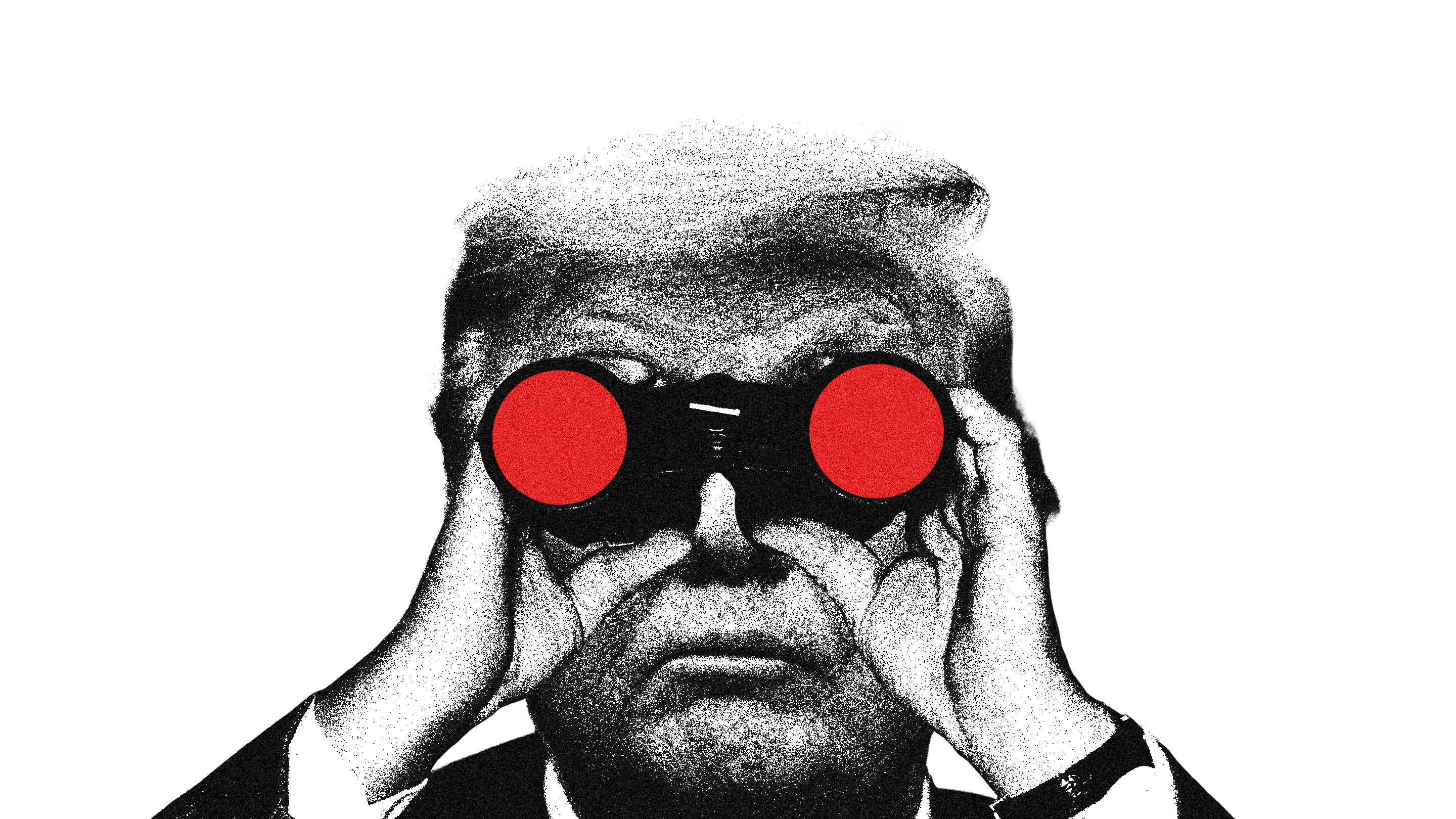
The Trump administration is actively promoting a narrative that frames contemporary American society as being infiltrated by communist ideologies, drawing parallels to the heightened anti-communist sentiment prevalent in 1979. This approach seeks to evoke a sense of urgency and concern among the public regarding perceived threats to American values and institutions. The administration's strategy involves highlighting specific instances and individuals that they associate with communist or socialist leanings, aiming to galvanize a base of support that is receptive to such warnings. This rhetorical tactic is designed to resonate with voters who may feel that the country is moving in a direction that deviates from traditional American principles.
The administration's messaging suggests that the current political and social climate is conducive to the spread of ideologies that are antithetical to American capitalism and democracy. By invoking the specter of communism, the Trump administration aims to create a clear and present danger that requires a strong, decisive response, positioning itself as the bulwark against these perceived threats. This strategy is not new in American political history, as periods of perceived national vulnerability have often been accompanied by heightened ideological anxieties. The reference to 1979 is particularly significant, as it was a year marked by significant geopolitical tensions, including the Soviet invasion of Afghanistan and a general sense of unease about the global spread of communism, which fueled domestic anti-communist fervor.
This campaign of invoking communist fears is intended to serve multiple political objectives. Firstly, it aims to consolidate the conservative base by appealing to deeply held anti-communist sentiments that have historically been a powerful force in American politics. Secondly, it seeks to create a wedge issue that can be used to attack political opponents, often by labeling them as socialist or communist sympathizers, thereby discrediting their policy proposals and political platforms. The administration is leveraging historical anxieties to frame current political debates and policy disagreements as existential struggles between American ideals and foreign, or ideologically opposed, systems. This approach seeks to simplify complex issues into a binary choice between freedom and oppression, capitalism and communism.
The effectiveness of this strategy hinges on the public's receptiveness to these historical parallels and the perceived relevance of communist threats in the 21st century. Critics argue that this rhetoric is a distraction from pressing contemporary issues and that it mischaracterizes legitimate policy debates as ideological warfare. They contend that the administration is employing fear-mongering tactics to mobilize voters and consolidate power, rather than engaging in substantive policy discussions. The invocation of 1979-style fears suggests a deliberate attempt to tap into a specific historical memory and emotional response, aiming to create a sense of déjà vu and urgency that can be politically advantageous.
Original source — read the full reporting at the publisher:
Read on The AtlanticGet the weekly AI digest
AI news + new model releases, weekly. Drafted by our agents, reviewed by humans.