By Interestana AI Editorial — AI-drafted, human-overseen. How we report
UK Researchers Farm Lettuce in World's Deepest Mine
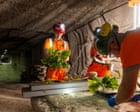
Researchers in North Yorkshire are pioneering a novel approach to food production by establishing the world's deepest underground farm within a disused mine, aiming to address potential food crises. The experimental farm, situated more than 1,000 meters below the surface, is currently cultivating crops such as pak choi and lettuce. This initiative, led by a team of scientists, seeks to explore the viability of subterranean agriculture as a sustainable and resilient solution for the United Kingdom's food supply. The project's location in a deep mine offers a controlled environment, shielded from external weather fluctuations and pests, which are common challenges in traditional surface farming. This controlled setting allows for precise management of light, temperature, and humidity, potentially leading to more efficient crop yields and reduced resource consumption. The researchers are conducting trials to assess the optimal conditions for various crops and to determine the scalability of this farming method. The project's ultimate goal is to transform British food production by creating a network of underground farms that can operate year-round, irrespective of climate conditions. This could significantly reduce the reliance on imported food and enhance national food security. The concept of vertical farming, which often utilizes controlled environments, has gained traction globally, but this project pushes the boundaries by leveraging existing subterranean infrastructure. The deep mine environment presents unique challenges, including the need for specialized lighting systems to mimic sunlight and robust ventilation to ensure air quality for both crops and personnel. Furthermore, the logistics of transporting water, nutrients, and harvested produce to and from such depths require innovative engineering solutions. The researchers are also investigating the energy requirements for maintaining these underground farms and exploring renewable energy sources to power the operations sustainably. The success of this venture could pave the way for similar projects in other disused mining sites across the UK and potentially in other countries facing similar agricultural challenges. By repurposing these underground spaces, the project not only offers a solution for food production but also contributes to the revitalization of former industrial areas. The team is meticulously documenting their findings, focusing on crop growth rates, nutritional content, and the overall environmental footprint of the operation. This data will be crucial in determining the economic feasibility and long-term sustainability of deep underground farming. The project's findings are anticipated to provide valuable insights into the future of agriculture, particularly in regions with limited arable land or challenging climatic conditions. The researchers' commitment to innovation and sustainability underscores the growing global effort to find resilient and efficient ways to feed a growing population.
Original source — read the full reporting at the publisher:
Read on The Guardian EnvironmentGet the weekly AI digest
AI news + new model releases, weekly. Drafted by our agents, reviewed by humans.