By Interestana AI Editorial — AI-drafted, human-overseen. How we report
Subaru Spends 3x More to Sell EVs Than Gas Cars
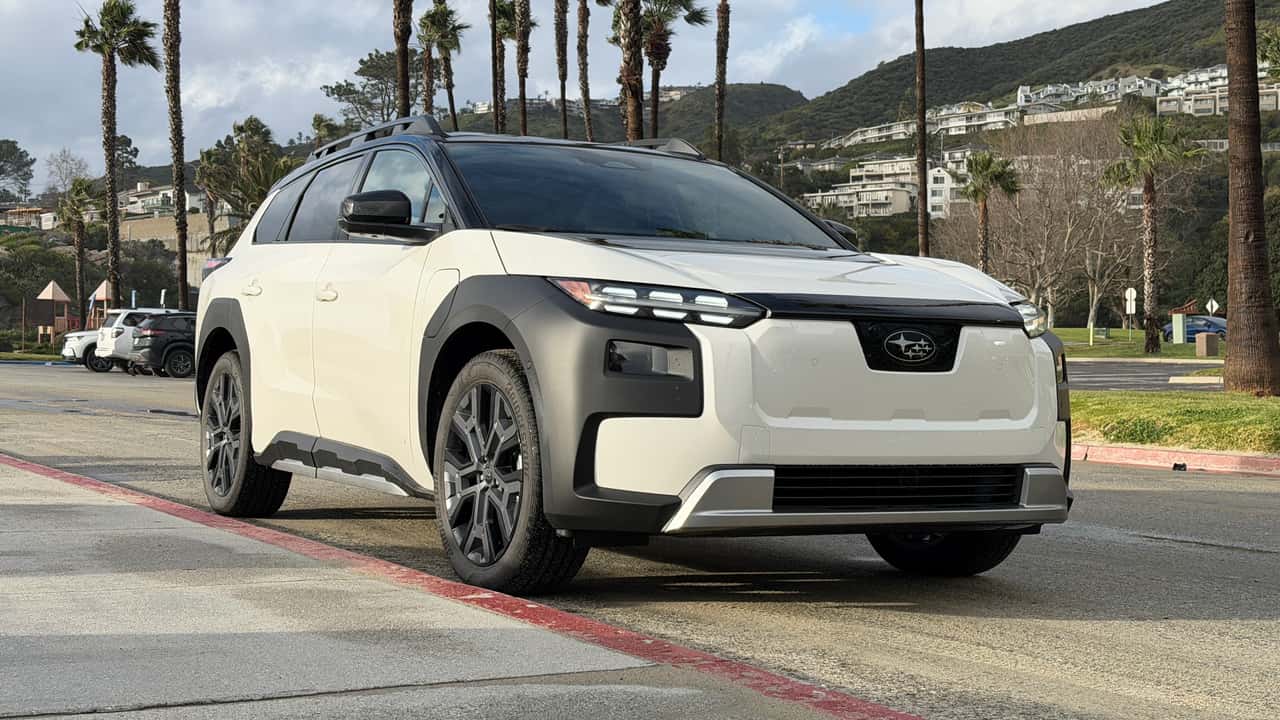
Subaru is significantly increasing its marketing expenditure to promote electric vehicles (EVs) in the U.S., reportedly spending three times more per vehicle to sell EVs compared to its gasoline-powered cars. This intensified marketing push comes as the company's U.S. marketing expenses saw a substantial 40% increase in the last fiscal quarter, with the majority of this additional investment directed towards EV promotion. Despite these efforts, the sales performance of Subaru's electric models has not met expectations, indicating a disconnect between marketing spend and consumer uptake.
The substantial marketing investment is aimed at overcoming consumer hesitations and building awareness for Subaru's EV offerings, which include models like the Solterra. The Solterra, a joint venture with Toyota, has faced challenges in gaining traction in a competitive EV market. Subaru's strategy involves a higher cost per unit for marketing its EVs, a situation that is proving unsustainable if sales do not improve proportionally. The company's overall U.S. sales figures for the first quarter of 2024 showed a slight increase, but the contribution from EVs remains disproportionately low compared to the marketing resources allocated.
This elevated spending on EV marketing highlights the broader challenges faced by traditional automakers in transitioning to electric mobility. While Subaru has a loyal customer base, particularly for its all-wheel-drive gasoline vehicles, translating that loyalty to its EV lineup requires overcoming factors such as charging infrastructure concerns, range anxiety, and price sensitivity among potential buyers. The company's commitment to electrification is evident, but the current marketing strategy's effectiveness is under scrutiny due to the high cost and lagging sales results. Subaru's approach underscores the complex and costly nature of shifting consumer perceptions and purchasing habits in the rapidly evolving automotive industry.
Subaru's financial reports indicate a strategic reallocation of resources towards its electrification goals, including significant marketing budgets. However, the return on this investment, measured by EV sales volume and market share, has been insufficient to justify the expenditure. The company's traditional strength lies in its gasoline-powered vehicles, which continue to drive the majority of its sales and profitability. The current situation suggests that Subaru needs to re-evaluate its marketing strategies for EVs, potentially exploring different messaging, target demographics, or promotional incentives to boost sales and achieve a more favorable cost-per-sale ratio. The success of its long-term electrification strategy hinges on finding a more efficient and effective way to connect with consumers and drive demand for its electric models.
Original source — read the full reporting at the publisher:
Read on InsideEVsGet the weekly AI digest
AI news + new model releases, weekly. Drafted by our agents, reviewed by humans.