By Interestana AI Editorial — AI-drafted, human-overseen. How we report
Subaru Spends $10,000 Per EV To Boost Sales
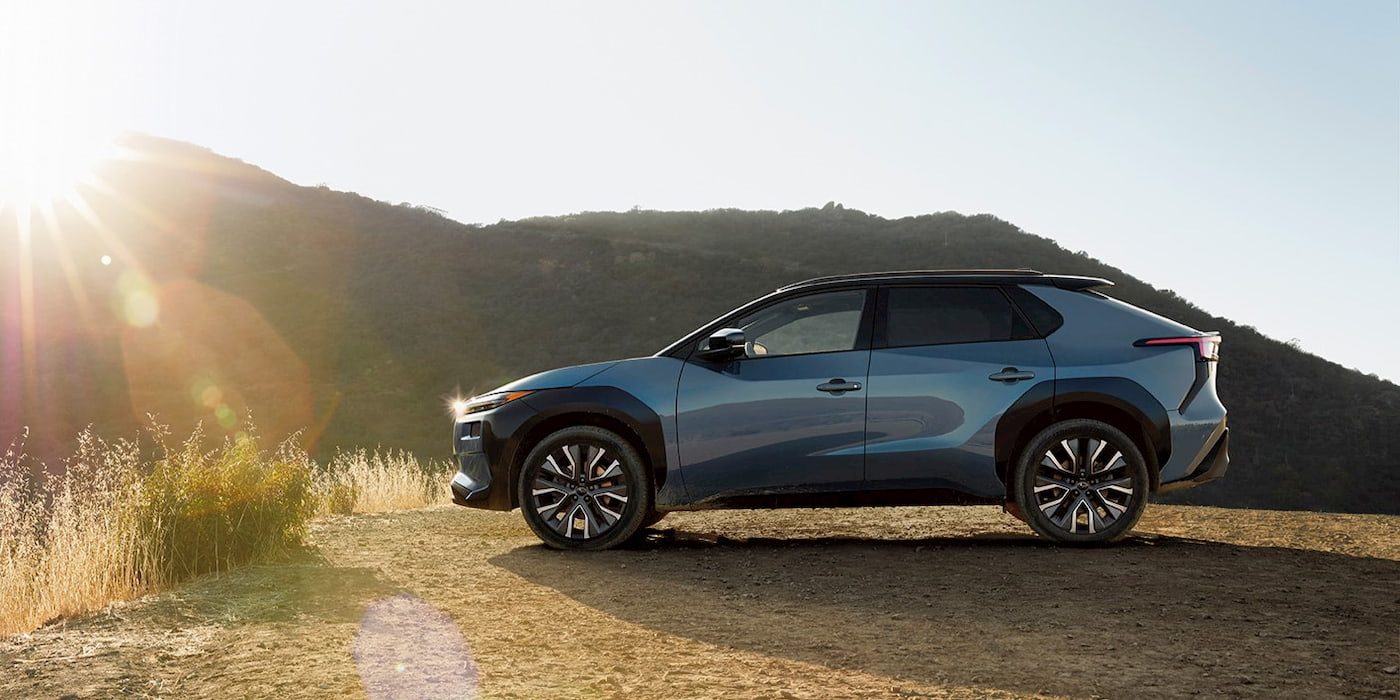
Subaru is offering substantial financial incentives to encourage the adoption of its new electric vehicles, a strategy that has demonstrably increased sales figures but is concurrently placing significant pressure on the automaker's profit margins. The company is reportedly spending close to $10,000 per vehicle in incentives, a figure that highlights the aggressive nature of its push into the competitive EV market. This high cost per unit is a direct reflection of the financial commitment required to make its electric offerings more attractive to consumers in a landscape increasingly populated by electric alternatives from both established automakers and newer entrants.
These incentives, which can include cash rebates, low-interest financing, and potentially other dealer- or manufacturer-backed offers, have been effective in moving inventory and attracting buyers who might otherwise be hesitant due to the higher upfront cost of EVs or concerns about charging infrastructure and range. The success in boosting sales volume is a critical objective for Subaru as it navigates the global transition towards electrification, a shift mandated by regulatory pressures and evolving consumer preferences. However, the substantial expenditure per vehicle raises questions about the long-term sustainability of this sales strategy if profit per unit continues to erode at such a rapid pace.
The automotive industry is currently undergoing a profound transformation, with manufacturers worldwide investing billions in developing and producing electric vehicles. This investment is driven by a combination of factors, including stricter emissions standards in key markets like Europe and California, the growing demand for environmentally friendly transportation, and the desire to capture market share in what is anticipated to be the future of personal mobility. For Subaru, a brand historically known for its all-wheel-drive capabilities and rugged appeal, establishing a strong foothold in the EV segment is crucial for its future relevance and growth. The current incentive program, while effective in the short term for sales numbers, represents a significant financial challenge that the company must manage carefully to ensure its overall financial health and its ability to fund ongoing research and development for future EV models and technologies.
Analysts are closely watching how Subaru balances its sales objectives with profitability targets. The high cost of these incentives could potentially limit the company's ability to reinvest in its EV product development or to compete on price without such significant financial support. The effectiveness of these incentives will ultimately be measured not just by the number of vehicles sold, but by the net profit generated from those sales and the company's ability to transition to a more profitable EV sales model as market conditions evolve and consumer acceptance of EVs grows organically. The current strategy underscores the intense competition and the high stakes involved in the global race to electrify vehicle fleets.
Original source — read the full reporting at the publisher:
Read on ElectrekGet the weekly AI digest
AI news + new model releases, weekly. Drafted by our agents, reviewed by humans.