By Interestana AI Editorial — AI-drafted, human-overseen. How we report
Subaru Delays 3-Row Getaway EV Amidst Toyota's Production Shift
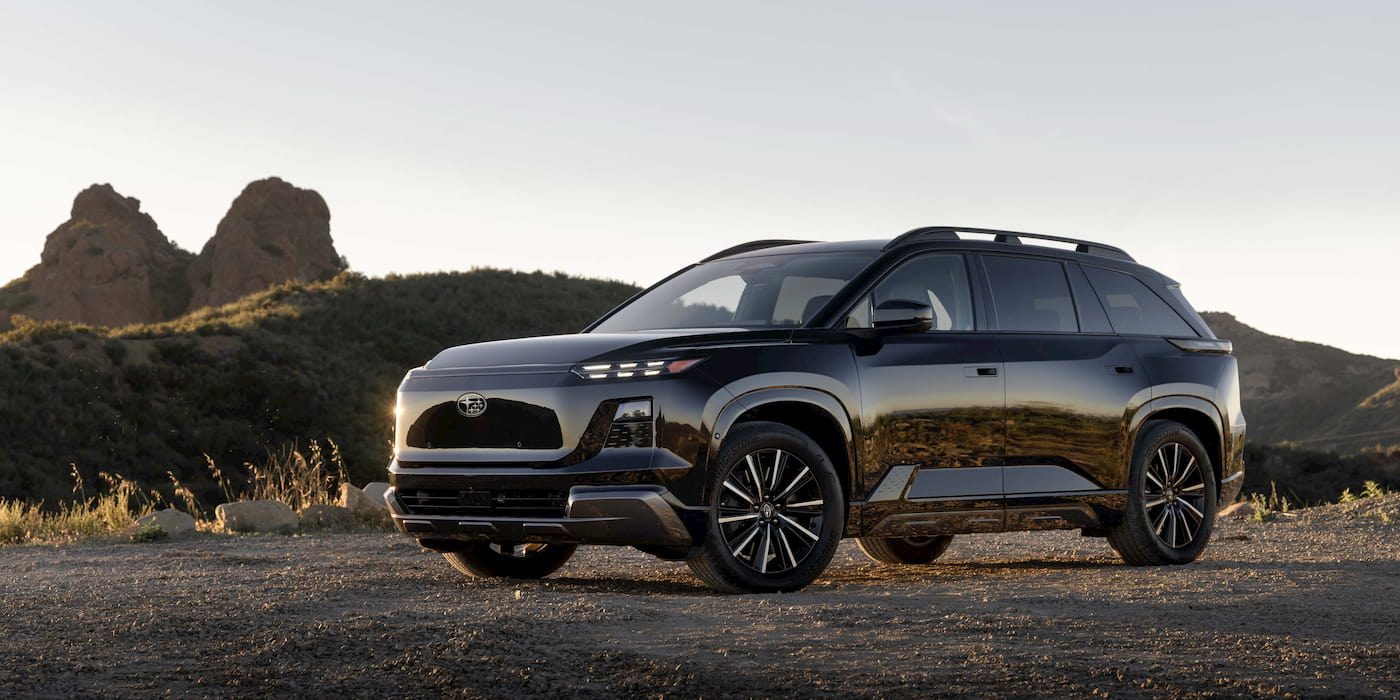
Subaru confirmed this week that production of its forthcoming 3-row electric vehicle, the Getaway EV, is being delayed. This decision follows a similar move by its manufacturing partner, Toyota, which recently announced a postponement of its own first three-row electric SUV.
The Getaway EV was initially slated to enter production in 2025. The exact reasons for Subaru's delay were not fully disclosed, but the company cited a need to "re-evaluate market conditions and production timelines." This strategic pause suggests a broader industry trend of reassessment in the electric vehicle sector, particularly for larger, multi-passenger models.
Toyota's decision to delay its three-row electric SUV, originally planned for a 2025 launch, was attributed to challenges in scaling battery production and refining the vehicle's technology. Given Subaru's reliance on Toyota for certain EV components and platforms, the Japanese automaker's revised schedule likely influenced Subaru's own production plans for the Getaway EV. Both companies are working towards electrification goals, but these delays indicate a more cautious approach to bringing these specific vehicle types to market.
Subaru has not yet provided a revised production timeline for the Getaway EV. The company stated that it remains committed to its electrification strategy and will provide further updates on the Getaway EV and other upcoming electric models in the future. The delay raises questions about the immediate availability of three-row electric SUVs from major manufacturers and the pace of EV adoption in this segment.
Original source — read the full reporting at the publisher:
Read on ElectrekGet the weekly AI digest
AI news + new model releases, weekly. Drafted by our agents, reviewed by humans.